ع
ع


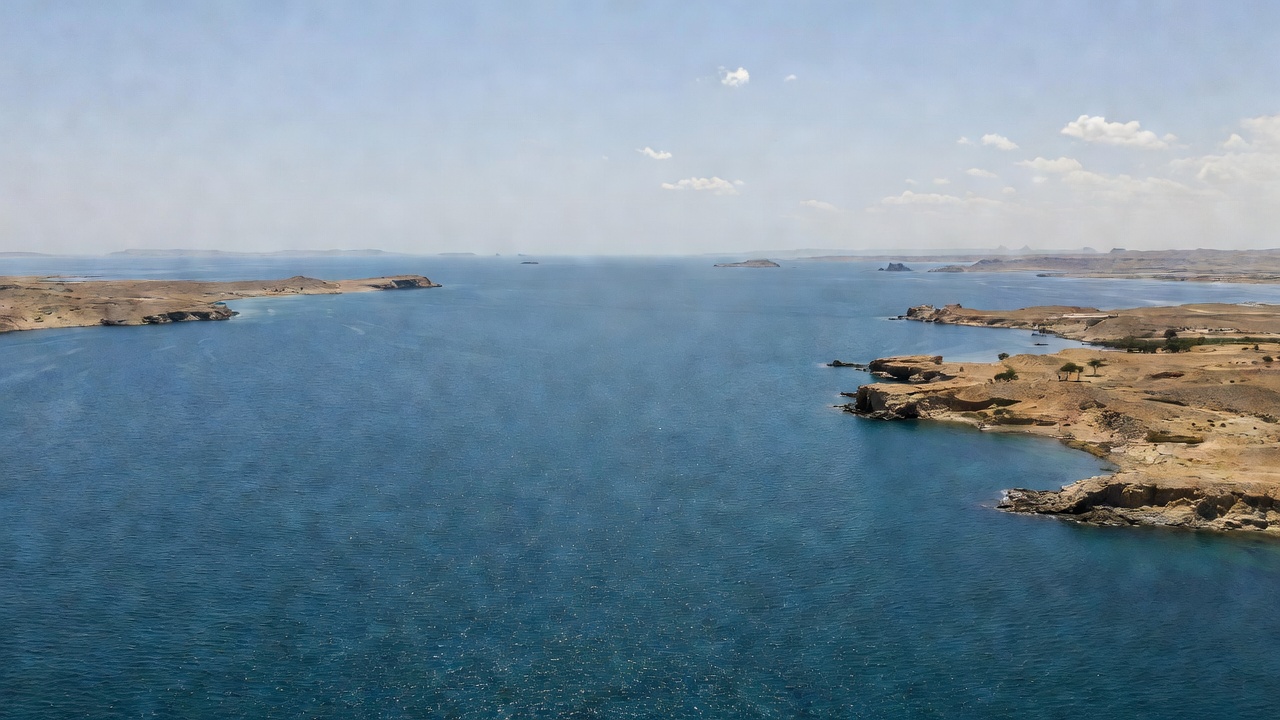
US Central Command reported that American forces carried out additional daylight strikes on Wednesday targeting Iran’s coastal defences along with cruise missile storage and launch facilities on Greater Tunb Island. The operation also involved firing on a vessel that attempted to breach the reimposed blockade of Iranian ports which Centcom said further degraded Tehran’s ability to threaten commercial shipping in the strategic waterway. This marked the fifth day of renewed hostilities that have strained the preliminary memorandum of understanding reached last month to end the preceding months-long conflict.
Iran’s Revolutionary Guard Corps warned that the United States should expect the closure of other oil and gas export routes serving American and allied interests without providing further details. Mohammad Bagher Ghalibaf Iran’s top negotiator told state media that Tehran had no reason to abide by the deal if it did not benefit from the arrangement. He added that Iran’s national security depended on maintaining its arrangements in the strait while describing negotiation alongside war as elements of a resistance strategy in what he termed an existential conflict with the US.
President Trump responded to reporters late on Wednesday by saying he should like giving deadlines but that Iran pretty much knew the story and they better behave. Trump later told delegates at a defence summit that Iran was not happy right now adding they want to settle so badly and do not like what the US is doing. He concluded that authorities would find out whether to settle with them or just finish it off following his Tuesday threat to attack bridges and power plants unless Iran returned to talks the next week.
The latest actions come after the Islamabad Memorandum of Understanding signed on June 17 2026 which lifted the previous US naval blockade and aimed to end the war through provisions on safe passage and future nuclear discussions according to assessments from the Quincy Institute for Responsible Statecraft. That agreement brokered with involvement from Pakistan and several Gulf states had brought a temporary halt to direct confrontations. Yet disputes over control of the Strait of Hormuz have rapidly eroded the accord’s stability.
US Energy Information Administration figures show that oil flows through the Strait of Hormuz averaged 20.9 million barrels per day in the first half of 2025 equivalent to roughly one-fifth of global petroleum liquids consumption and one-quarter of total seaborne oil trade. The waterway also carried about one-fifth of global liquefied natural gas shipments primarily from Qatar during the same period. A UNCTAD analysis found that recent disruptions have already triggered sharp increases in oil prices while stalling tanker traffic and affecting global supply chains.
An earlier Trump threat in April to bomb Iranian civilian infrastructure prompted condemnation from Volker Türk the UN human rights chief who stated that under international law deliberately attacking civilians and civilian infrastructure is a war crime. Centcom additionally confirmed it had redirected two commercial vessels since reimposing the blockade on Tuesday evening. The current round of strikes represents the second such wave executed by US forces during daylight hours on Wednesday.