ع
ع


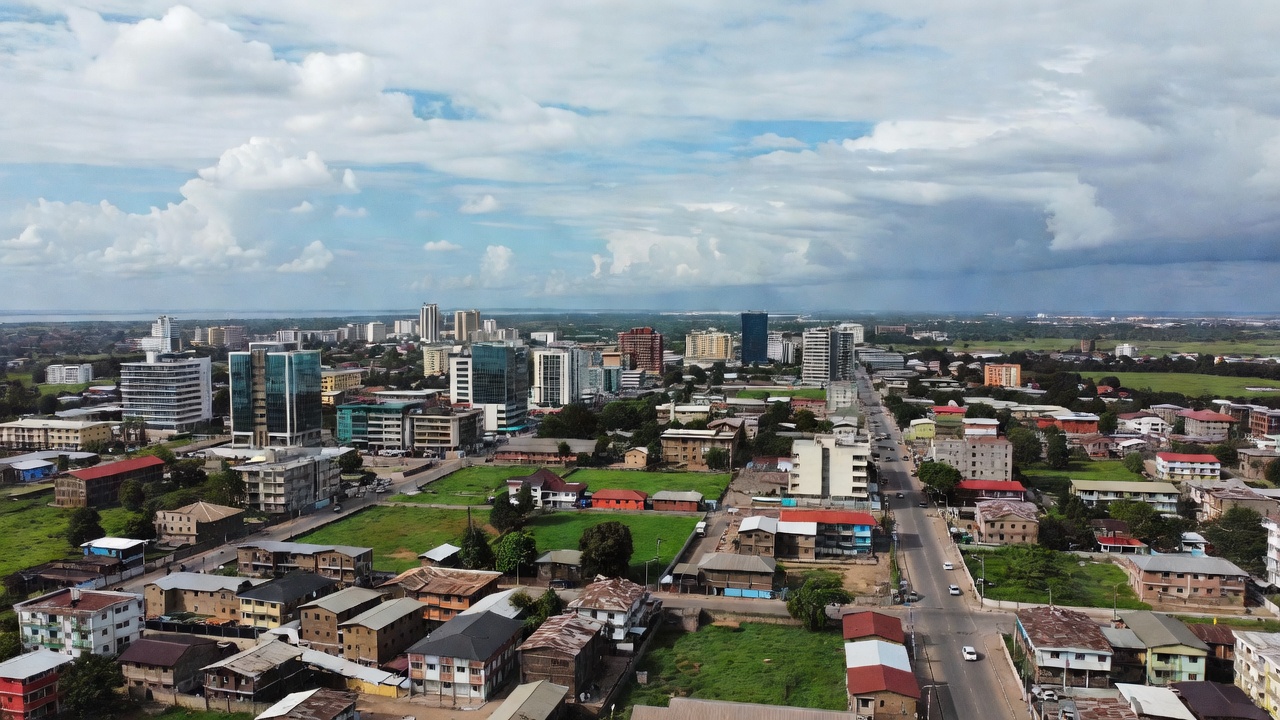
The Ghana National Fire Service reported at least 13 deaths in Accra after torrential rains on the night of June 29 2026 inundated low-lying districts with the toll likely to rise as search operations continued. The service had rescued more than 470 people while also tackling a fire that broke out at a rubber factory during the floods. Emergency personnel from police military and the National Disaster Management Organisation were deployed by the interior ministry to protect lives and property in the affected zones.
President Mahama after an aerial inspection of the city on June 30 directed authorities to demolish all illegal structures built along waterways which he said had worsened the disaster by blocking natural drainage. His office issued a statement urging residents in safe places to stay indoors avoid crossing flooded roads and move to higher ground immediately if water entered their homes while calling emergency services on 112. “The irresponsible actions of a few individuals end up putting entire communities at risk” the president stated.
Preliminary measurements indicated roughly 140 millimetres of rain fell on the capital compared with a highest single-day total of 56 millimetres recorded the previous year President Mahama wrote on X attributing the difference to climate change. The Ghana Meteorological Agency warned that further rain would affect southern Ghana including Accra from Tuesday morning into the afternoon as a large storm approached from the east. Residents were told to avoid sheltering under trees keep clear of loose electrical wires and refrain from walking or driving through floodwaters.
The Ghana Grid Company Limited and Electricity Company of Ghana jointly announced a temporary shutdown of power to flooded neighbourhoods after water damaged multiple substations posing risks to equipment and staff. One resident told AFP that his 1970s collection of vinyl records had been ruined by the water while a schoolteacher said she had mopped her room more than eight times yet remained trapped by flooding both inside and outside her home. Markets and businesses across impacted districts stayed closed with some premises completely washed away.
Recurrent flooding in Accra stems from poor drainage clogged gutters and construction on waterways compounded by the city’s rapid growth a situation documented in studies dating back to the 1930s. A major flood in 2015 triggered an explosion at a fuel station and left more than 150 people dead according to official records from the time. Academic research including a 2026 Nature article has catalogued major inundations in the capital in numerous years since the 1950s.
A World Bank assessment found that flooding affects an estimated 45 000 people across Ghana each year while models project that climate change could push at least one million more Ghanaians into poverty by 2050 through repeated extreme weather. Between 2008 and 2022 floods displaced 259 000 people in the country according to Internal Displacement Monitoring Centre data. WaterAid Ghana director Ewurabena Yanyi-Akofur called for stronger urban planning and preparedness stating that the Accra events formed part of a pattern intensified by climate change and unplanned urbanisation.