ع
ع


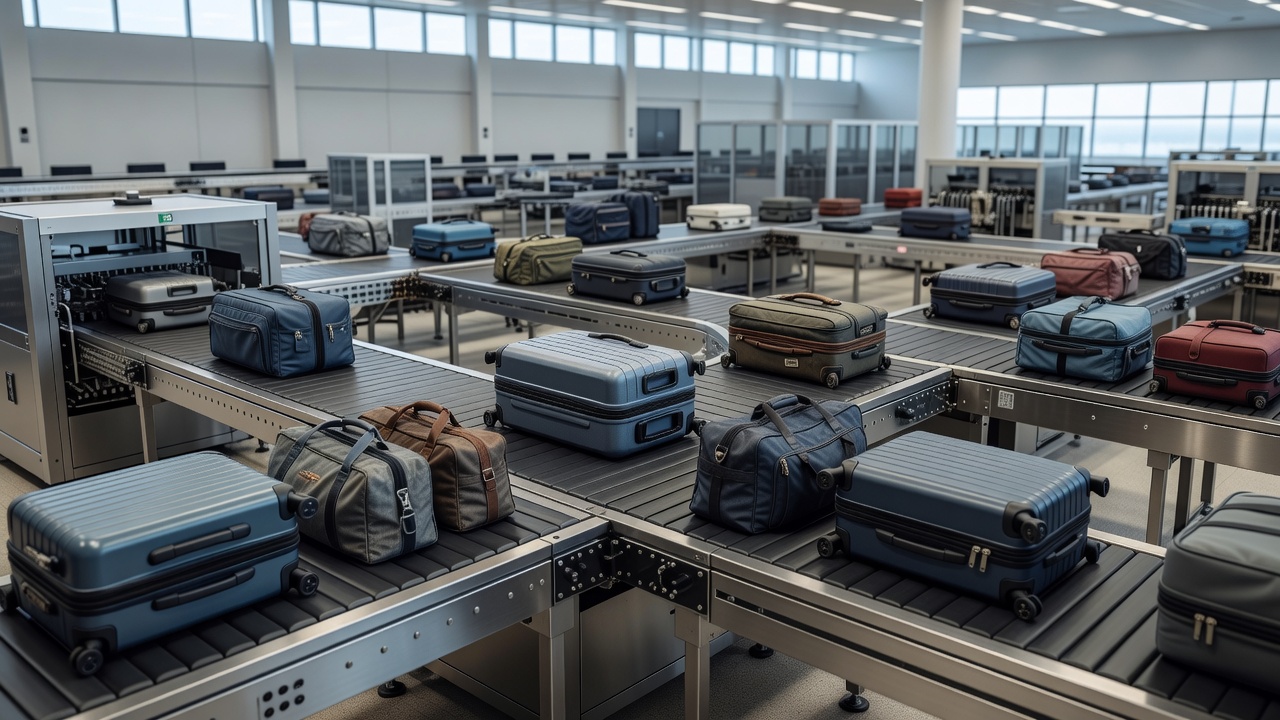
The air transport sector recorded its strongest post-pandemic baggage handling improvement in 2025, SITA reported. Mishandled baggage fell 8.7 percent while traffic rose 8.2 percent, and the long-term mishandling rate has dropped 67 percent since 2007, according to the firm’s Baggage IT Insights report.
SITA’s Baggage IT Insights 2025 compiles data from airlines and airports responsible for the majority of global baggage movements and attributes the gains to wider use of real-time tracking along with automated sorting and reconciliation tools. The survey showed that 66 percent of mishandled bags are now recovered within 48 hours through the WorldTracer database. These digital solutions have proven especially effective at transfer points where most mishandling occurs. SITA noted that participating organizations reported better integration between airline and airport systems as a contributing factor to the improved outcomes.
The International Air Transport Association’s Annual Review 2025 placed global passenger traffic above 5.2 billion last year as the industry moved well beyond pandemic-era lows. IATA data shows this volume has intensified pressure on baggage infrastructure at major hubs while also driving investment in more robust handling processes. The association’s Resolution 753 has encouraged broader adoption of tracking standards to minimize discrepancies on international routes. Such measures have helped sustain the downward trend in mishandling rates even as flight numbers climbed.
Market Research Future figures show the commercial airport baggage handling systems market expanding from $16.76 billion in 2025 to $41.66 billion by 2035 at a compound annual growth rate of 9.53 percent. This projection reflects demand for systems that incorporate RFID tagging, AI-driven predictive maintenance and self-service bag drop kiosks. Airports in the Asia-Pacific region and the Middle East have accounted for a substantial share of these investments to manage rising traffic from emerging economies. The consultancy’s assessment ties the market growth directly to airlines’ focus on operational efficiency and passenger satisfaction metrics.
SITA’s report indicated that the absolute number of mishandled bags continued to decline from pandemic-period baselines despite the traffic increase. WorldTracer processed millions of records during the year with enhanced accuracy from improved data sharing protocols. The system has allowed ground handlers to reunite passengers with their belongings more rapidly across borders. SITA data places the current recovery rate as the highest observed since the industry began its post-pandemic rebound.
Challenges persist in achieving consistent results at smaller airports and in certain transfer corridors according to the SITA assessment. The survey identified cost barriers that prevent some facilities from deploying the latest automation technologies at the same pace as larger hubs. Collaborative programs involving airlines, airports and ground service providers have begun to address these disparities through shared platforms. SITA’s findings emphasize that standardized processes remain essential to locking in the 2025 performance levels.