ع
ع


Rescuers in La Guaira pulled an 18-day-old baby from earthquake rubble on June 26 and rescued his mother 90 minutes later after the infant spent more than 24 hours trapped with her, NBC News reported. The rescue came days after twin earthquakes on June 24 killed at least 920 people and injured over 3,360, according to Venezuela’s National Assembly President Jorge Rodríguez via CNN. The 7.5- and 7.2-magnitude tremors represent the country’s most powerful in over 100 years, US Geological Survey figures show.
Videos aired by the BBC showed rescuers carefully maneuvering the baby away from the debris before handing him to his father amid the search for survivors. The mother, identified as Dayana Patiño by NBC News, had shielded the child throughout their ordeal in the ruins of an eight-story apartment block. Emergency teams transferred both to a Caracas clinic as local medical facilities were overwhelmed, the outlet added.
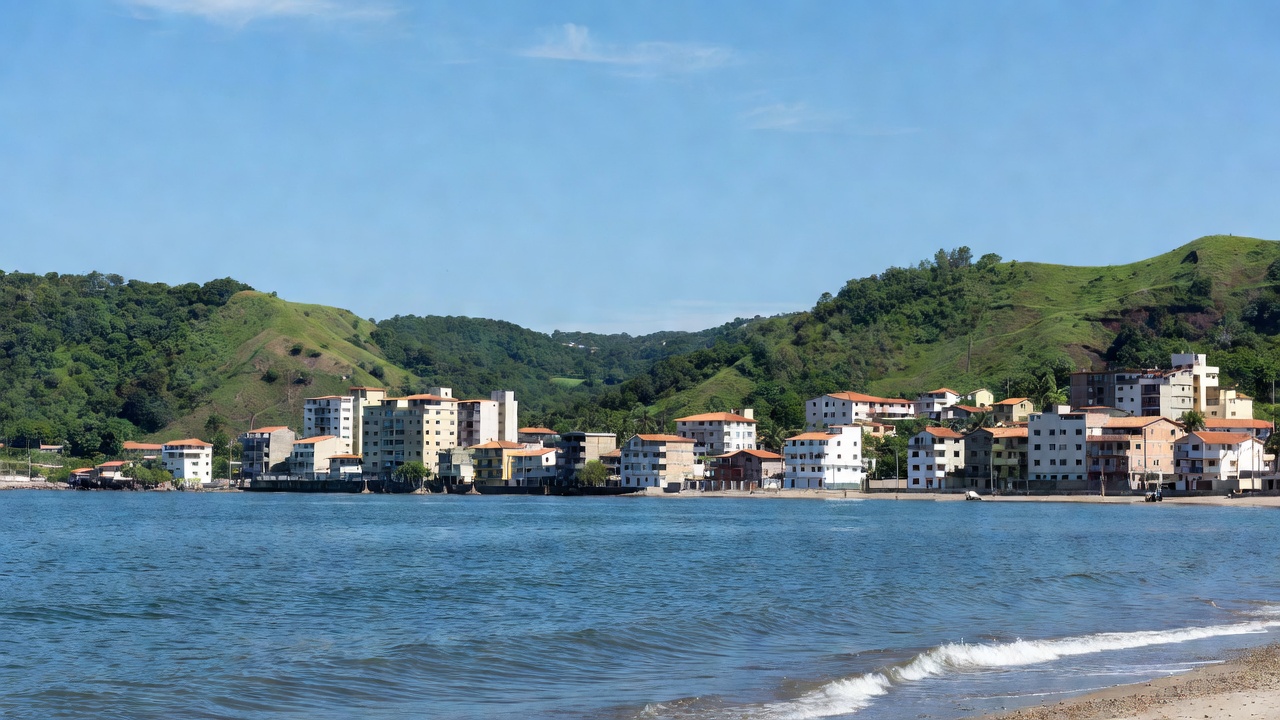
The disaster devastated coastal La Guaira and parts of Caracas where numerous structures failed under the seismic force, a Reuters dispatch from June 25 detailed. With at least 138 aftershocks recorded the toll continues to mount as crews race against time, CNN’s live updates from June 27 indicated. Thousands of residents have been left without shelter compounding the humanitarian crisis.
Venezuela’s government has deployed all available resources for rescue and recovery, National Assembly President Jorge Rodríguez announced. International aid is being rerouted due to the closure of the main airport in Caracas according to multiple reports including from Al Jazeera. The event echoes the country’s vulnerability to such natural events despite its location outside major fault lines.
Rescue workers described the baby’s extraction as a rare moment of hope in the tragedy with social media videos showing the handoff to the emotional father. Patiño was pulled alive after teams located her position beneath heavy concrete, NBC News stated in its June 27 account. The family’s survival underscores the determination of first responders operating in hazardous conditions.
Further context from historical data places this as Venezuela’s deadliest quake in modern times surpassing previous incidents with far lower casualties, a review by The New York Times noted. Officials continue to update casualty figures as more bodies are recovered from the sites. Search operations are expected to last several more days given the scale of destruction.
The US Geological Survey confirmed the epicenters were offshore and inland triggering widespread panic and building collapses per CNN. Local authorities have urged residents to avoid returning to damaged structures amid aftershock risks. Search operations involve coordination across multiple agencies as the death toll from the June 24 quakes rises.