

 ع
ع


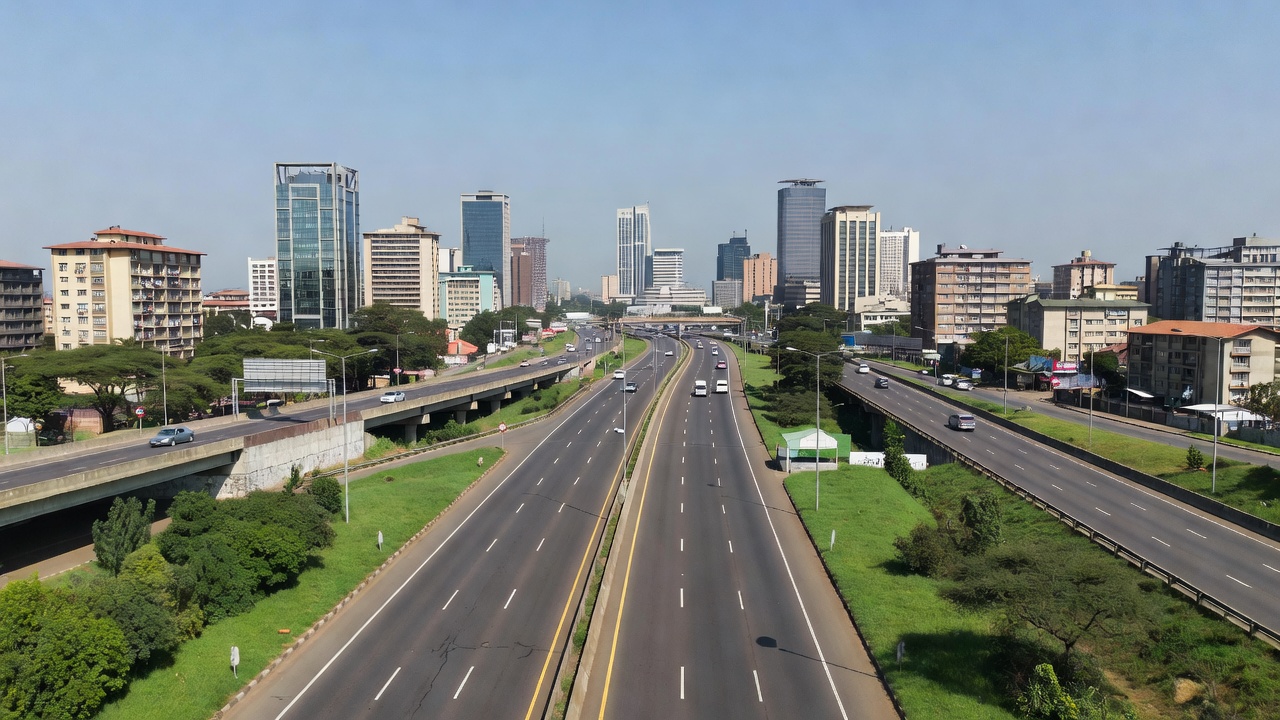
Kenyan police blocked key roads into central Nairobi on June 25 2026 as authorities prepared for Gen Z-led protests marking the second anniversary of the 2024 anti-tax demonstrations that turned deadly. The measures left commuters stranded with many businesses and schools closing for the day while early clashes erupted in the Githurai area near the capital where protesters lit fires and officers responded with tear gas and arrests according to local television footage cited by the BBC. Demonstrators have mobilised primarily through social media to demand accountability for those killed and injured during the original unrest and last year’s anniversary events.
The BBC reported that security agencies heightened surveillance across major urban centres with a heavy police presence deployed in Nairobi and at strategic installations. Opposition leaders including Kalonzo Musyoka Martha Karua and Eugene Wamalwa joined families of victims to lay wreaths at parliament in honour of those who died in the 2024 protests. Parents who lost children during the demonstrations appealed for peaceful remembrance with one telling journalists in Nairobi “We don’t want tear gas and running battles in the streets. We are too old for that.”
ACLED data documented 96 political violence events and 82 reported fatalities across Kenya from June to mid-July 2024 during the initial wave of anti-tax protests that spread nationwide and included the storming of parliament. The Kenya National Commission on Human Rights stated in July 2024 that at least 39 people had died and 361 were injured in the demonstrations up to that point a toll that rose with subsequent anniversary actions. Al Jazeera reporting from June 2025 placed the death toll in the prior year’s protests at between eight and 16 with hundreds wounded in Nairobi and other areas.
President William Ruto stated last week that people had a right to protest but warned that anyone “mobilised to destroy property or cause chaos” would not be tolerated. The president announced a fund of nearly $15 million to compensate almost 2 000 victims of protest-related human rights abuses between 2017 and 2025 as identified by rights groups. Human rights organisations rejected the plan citing exclusions of some victims inadequate amounts and insufficient transparency in the process.
Rigathi Gachagua Ruto’s former deputy and current rival urged Gen Z activists to avoid the streets over fears of violence and instead called for Kenyans to remain at home as a form of symbolic dissent. Several political leaders civil society groups and human rights bodies expressed support for peaceful demonstrations describing them as a protected form of democratic expression under the constitution. Authorities urged protesters to refrain from violence looting or property destruction while maintaining roadblocks along the Thika Super Highway Mombasa Road the Nairobi-Namanga Highway in Athi River Kenyatta Avenue Waiyaki Way Jogoo Road and other routes.
A recent analysis published by The Conversation noted that youth unemployment for ages 15 to 34 remains high at about 67 percent despite government budget allocations for internships enterprise support and youth procurement preferences in recent years. The 2024 protests initially focused on proposed tax hikes in the finance bill that was later withdrawn but evolved to address broader issues including the cost of living corruption and governance failures. President Ruto faces growing public discontent ahead of the 2027 elections with critics accusing his administration of failing to meet campaign promises on economic delivery though he has rejected those claims and pledged to defend his record.