UK Residents Share Heatwave Coping Strategies Amid Productivity Concerns
UK residents have shared inventive methods for coping with extreme heat as the country records some of its hottest June nights, according to a BBC News feature published this week. The UK Health Security Agency has issued advice on keeping homes cool and avoiding peak sun hours between 11am and 3pm, measures that support both personal wellbeing and sustained economic activity during heatwaves. With temperatures reaching 36.1C in Hampshire, these approaches address health risks that a Grantham Institute assessment previously linked to lost labour hours and broader economic effects.
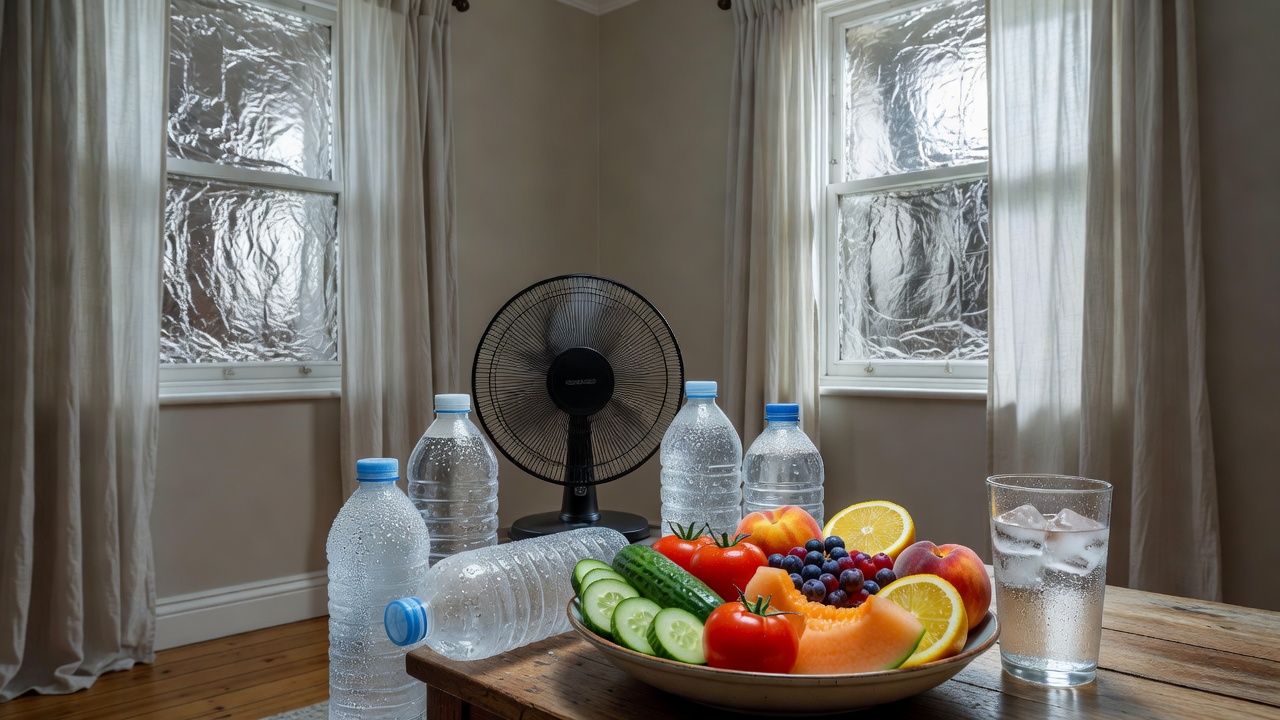
A BBC News compilation highlighted practical home adaptations drawn from public submissions across the UK. Bethan Earley from Rugby applies foil blankets to the exterior of her windows before closing them, a step she said makes the house take longer to warm although it still does. John Turbefield, 38, from Chichester, uses white bed sheets in the hottest rooms and adds survival blankets designed to reflect heat, which he tapes to window frames. He also freezes two-litre water bottles to position around fans, though he noted that larger bottles require up to two days to freeze fully.
Sleep solutions formed another focus in the accounts gathered by BBC News. Stephanie Reed, 39, from Chorley, wets a hand towel for her feet and ankles to regulate body temperature overnight and sprinkles water on her daughter’s sheet before a brief spell in the freezer. Gordon Cooper, 73, from High Wycombe, hangs a wet bath towel near a fan in his bedroom. Anabelle Holschuh, 30, from London, shifted from her attic room to a north-facing sofa with high ceilings and an electric fan, reporting improved rest without needing to move to the hallway.
Dietary and hydration choices received attention from both residents and experts in the BBC News coverage. Aimee Ludgate, 29, from Bradford, switched to an air fryer for meals including boiled eggs and steak to avoid oven heat, while also freezing water bottles for work. Dietitian Kate Hilton recommended iced water along with cool hydrating foods such as cucumber, tomatoes, melon, berries, peaches and citrus fruits. She stated, “Water is generally the best thing to drink, but remember that all fluids, other than alcohol, are considered hydrating, so if you prefer sugar-free squash or other flavourings, this does still count towards hydration.”
Remote workers described rearranging their setups to preserve output during the heat, as outlined in the BBC News report. Oren Brown, 27, from County Durham, moved his workspace downstairs in his terraced house where conditions remain cooler than upstairs. Gillian Cooley, who owns a small business near Peterborough, uses her bedroom as an office and shifts laptop work to the evening when temperatures drop further. NHS guidance complements these steps by advising cold foods, regular cold drinks and cool showers while checking on vulnerable people.
Clothing selections and daily routine shifts also emerged as common tactics in the public contributions to BBC News. Jess Jepson, 31, from Manchester, chooses loose-fitting, light, pale natural fabrics such as cotton and linen, avoids black clothing after one regretful experience, and keeps her hair up with a claw clip. Stylist Chantelle Znideric advised wide-brimmed hats for full coverage rather than baseball caps. Annie Smith, 27, from St Albans, walks her dogs before 9am, conducts indoor enrichment activities, refrigerates wet dog food, and finishes household chores by 10am so she can remain still during the hottest hours.
Official UK Health Security Agency figures and earlier analyses underscore the value of these combined measures. The agency recommends closing sun-facing curtains during the day, opening windows only at night when outdoor air is cooler, and limiting strenuous activity to morning or evening. A Grantham Institute policy brief on the 2022 heatwaves documented how such steps can reduce heat-related illnesses that strain healthcare resources and cut into economic productivity through absenteeism and lower efficiency. The current red heat-health alert reinforces the need for consistent application of these strategies across households and workplaces.