ع
ع


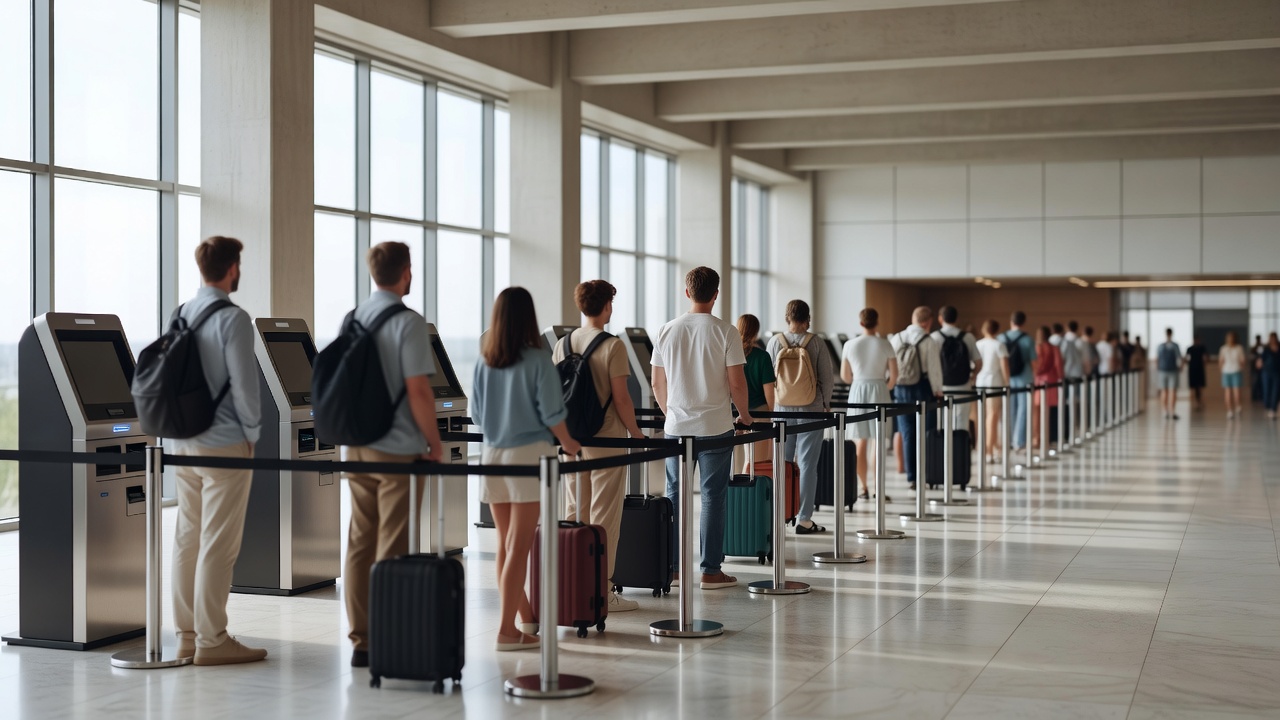
Warnings over holiday delays at European borders have sharpened this summer as the European Union’s Entry/Exit System encounters its first peak travel test following full operations on 10 April. The International Air Transport Association cautioned that queues at some airports could stretch to six hours because the system requires non-EU nationals including UK citizens to register fingerprints and a facial image on entry and exit to the Schengen Area. According to IATA the disruptions stem from longer processing times combined with staffing shortfalls and occasional technical glitches that have already caused missed connections in countries such as Portugal Spain and Italy.
The Entry/Exit System replaced manual passport stamping across 29 participating countries and registers biometric and travel data to better track short-stay visitors and detect overstays a European Commission overview stated. Progressive rollout began in October 2025 with full deployment achieved in April 2026 after multiple earlier postponements. Industry assessments found that initial implementation produced waits of two to three hours at busy hubs while some passengers reported repeated registration attempts that compounded congestion.
IATA regional vice-president for Europe Rafael Schvartzman highlighted ongoing problems at several gateways and projected that mandatory full biometric collection during July and August could push average delays even higher without swift adjustments. A Guardian report noted that the system may not stabilise for up to two years prompting concern that early-summer holiday bookings to EU destinations had already softened. Travel association ABTA advised passengers to consult airline guidance and build substantial buffer time into return journeys to avoid gate closures.
Greece has opted not to apply biometric registration to British visitors during the peak period while Portugal has deployed hundreds of additional border officers for July the European Commission confirmed in updates on flexibility measures. The Commission has authorised national authorities to suspend elements of the system in exceptional circumstances that produce excessive waiting times and the provision remains available until September. Such steps follow earlier suspensions including at Dover port during the May half-term break when long vehicle queues prompted French border officials to pause parts of the process.
At cross-Channel rail and ferry terminals French officers conduct pre-departure checks at St Pancras International Dover and Folkestone where dozens of automated kiosks have been installed although full routine biometric capture has not yet begun. Eurostar and Eurotunnel have each added more than 100 machines between the UK and continental sides while a pre-registration mobile app is operating on a limited basis in Sweden and Portugal. Reports indicated that coaches are sealed after completion of checks before boarding ferries to maintain the integrity of the entry record.
The Entry/Exit System will be complemented by the European Travel Information and Authorisation System which the European Commission has scheduled for launch in the last quarter of 2026. ETIAS will require visa-exempt travellers including those from the UK to obtain online pre-approval at a cost of €7 valid for three years with exemptions from the fee for those under 18 or over 70. Officials have emphasised that no applications are possible yet and travellers should monitor updates in the coming months before the paired systems reshape entry protocols for more than a billion potential visitors annually.