ع
ع


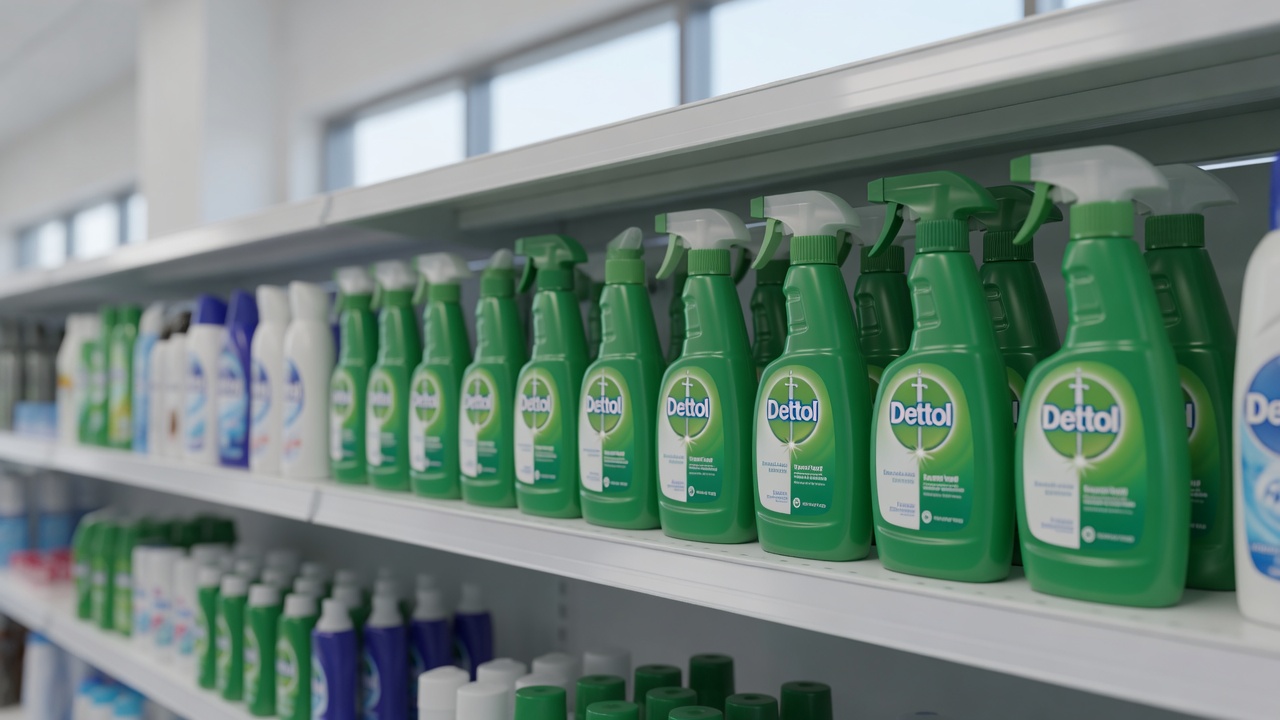
Dettol apologised on June 22 for a China advert intended to criticise toxic men that backfired and led to accusations of objectifying women, the BBC reported. The five-minute micro drama for the brand’s disinfectant compared toxic men to bacteria and featured a man looking for a partner ‘clean and not tainted by other men.’ Dettol said the content offended many and it would review its processes after removing the ad.
The advertisement, which was styled like a micro drama, begins with a man looking for a partner who is clean and not tainted by other men. A plot twist occurs when his new girlfriend calls him out for his misogyny and breaks up with him. Dettol is then presented as the solution against toxic men who are just like bacteria. The ad has been removed from online platforms following the backlash.
According to the BBC, the advert sparked an uproar on the Chinese internet with some users saying it objectifies women and others calling for a boycott of the brand. One Weibo user wrote, “What a trashy advertisement. It’s left me speechless.” Another comment read, “What a hopeless company. What is their senior management doing? I’m never using Dettol again. There are so many brands in the market after all.” Manya Koetse, who runs the Eye on Digital China newsletter, described the campaign as quite a mess for a brand whose entire business revolves around cleanliness.
Dettol said the advert was intended to criticise gender stereotypes but that snippets of it that later circulated online distorted its core message. The company said in the statement that it would review its content moderation processes. This is not the first time Dettol has found itself at the centre of controversy in China. Last year it drew backlash with an advert that featured the line the woman was returned just before her wedding it must be because she was not clean, the BBC reported.
Jiemian Global highlighted that the backlash centered on lines including “I may not be her first, but my future wife must be” and “clean and untouched by other men.” The Standard reported that the advertisement has drawn sharp criticism for allegedly objectifying women and reinforcing outdated gender stereotypes. The comparison of a woman’s purity to the product’s germ-killing abilities was found deeply inappropriate and offensive by many.
The incident echoes other advertising controversies in the region. Gillette faced backlash and boycott calls over its 2019 advert referencing the MeToo movement and toxic masculinity, according to a BBC report from that time. The video received significantly more dislikes than likes on YouTube, Forbes figures showed. In response the company addressed the criticism but the campaign divided opinions online.
In 2016 a Chinese laundry detergent ad by Qiaobi that appeared to promote skin whitening by washing a Black man into an Asian one led to an apology after global outcry, Fox59 reported. Swatch apologised in August 2025 for an ad that was condemned for appearing to mimic racist taunts about Asian eyes, with the company pulling the images after online backlash in China, Reuters reported. These examples illustrate the potential for ads to provoke strong reactions in China’s social media-driven market.