ع
ع


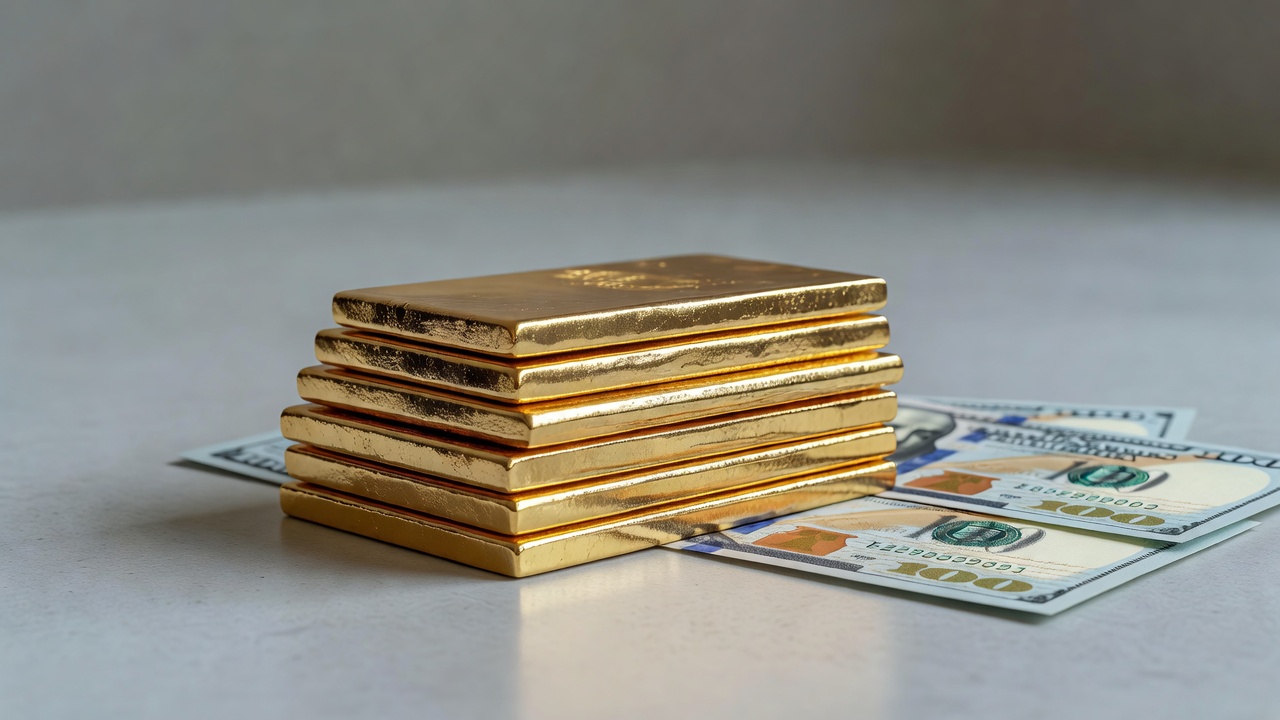
Gold prices fell on Tuesday, June 23, 2026, as the US dollar held firm on heightened expectations of a Federal Reserve interest rate hike, while investors assessed progress in US-Iran peace talks. Spot gold dropped 0.7 percent to $4,162.60 an ounce at one stage after earlier declines nearing 1 percent, with US gold futures for August delivery falling 0.5 percent to $4,180.50, according to Reuters market updates. The movement occurred as traders now see an 89 percent chance of a rate hike in December, up from 61 percent before the Fed’s recent meeting per the CME FedWatch Tool.
A Reuters report detailed how the dollar stayed near one-year highs against major currencies following recent economic signals and the central bank’s communications. This development reduced appeal for the non-yielding metal even as some relief had emerged from softer oil prices earlier in the week. Gold speculators raised net long positions by 9,258 contracts to 112,918 in the week to June 16, separate filings showed.
Tim Waterer, chief market analyst at KCM Trade, said, “Gold had received some relief from lower oil prices this week, but it is getting no such favours from the US dollar, which continues to push higher on expectations of Fed rate hikes.” The analyst framed the currency’s gains as the primary headwind for bullion in current trading. His comments aligned with observations that gold’s role as an inflation hedge faces counterpressure from elevated interest rates.
According to a World Gold Council review, gold experienced historic volatility in 2026 with sharp swings driven by Middle East tensions, Fed policy signals and USD movements that fueled unprecedented turbulence in the market. The council’s May commentary noted that while a potential Fed hike could create near-term headwinds and an oil shock might prolong challenges, such a move might surprisingly benefit gold if it signals broader economic or inflation risks. Central bank purchases have remained a consistent support, helping drive prices above $4,000 an ounce in late 2025 as the IMF observed in its analysis of debt and policy concerns.
Reuters had reported a similar gold decline in April when US-Iran peace talks stalled, which kept oil prices and inflation fears elevated ahead of central bank meetings. The latest session comes ahead of US PCE inflation data due on Thursday that could further shape rate expectations. Market assessments continue to weigh how these readings might influence both the dollar and commodity allocations.
A JP Morgan Private Bank assessment issued in February maintained a bullish outlook for gold in 2026, targeting a range of $6,000 to $6,300 per ounce while noting its negative correlation with the dollar in most periods. The bank highlighted that developed markets hold 46.5 percent of total central bank gold reserves as of third-quarter 2025 data. Such projections contrast with immediate session pressures but reflect longer-term drivers including fiscal sustainability worries cited in IMF publications.