

 ع
ع


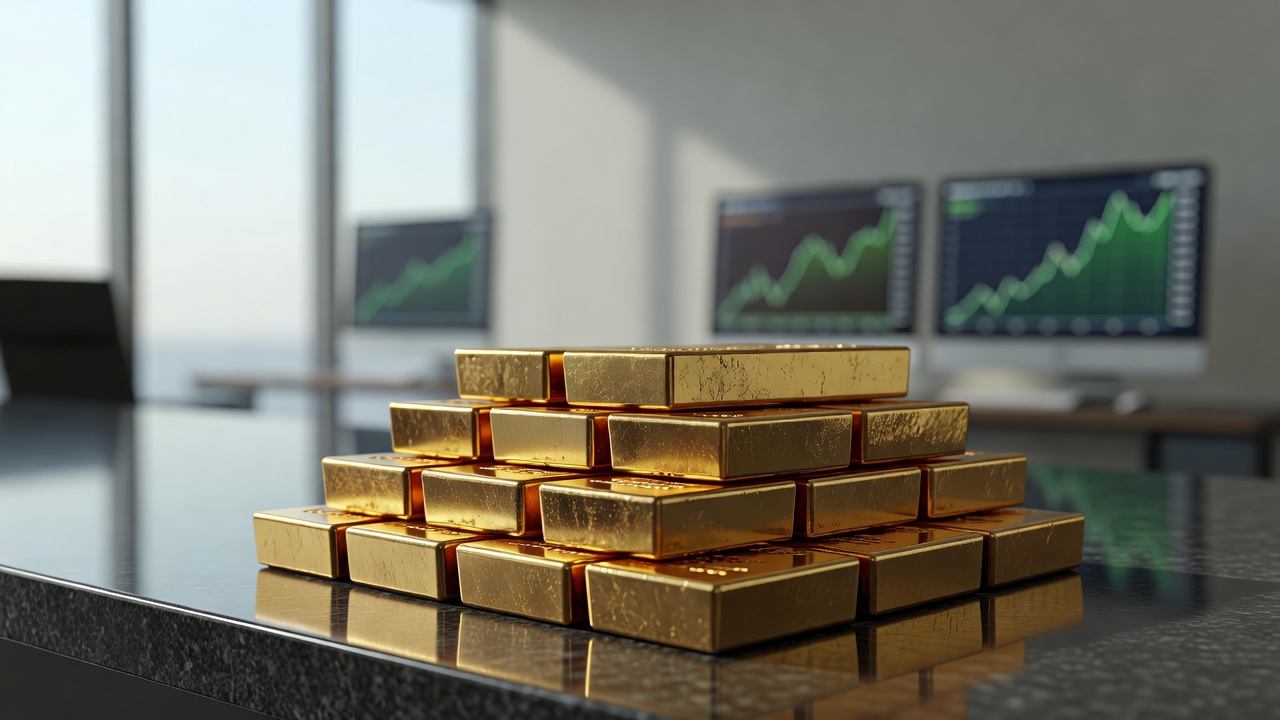
Gold rebounded from a one-week low on June 22, 2026, climbing nearly 1 percent after Iran reported progress in peace talks with the United States that drove oil prices lower and reduced associated inflation concerns, according to trading data. Spot gold rose 0.9 percent to $4,197.41 per ounce after reaching its weakest level since June 11 the previous Friday while U.S. gold futures for August delivery moved 0.7 percent lower to $4,215.90. The shift illustrates the metal’s responsiveness to geopolitical signals and energy market movements amid ongoing monetary policy uncertainty from the Federal Reserve.
Emirates News Agency reporting on the market move noted that Brent crude fell around 2 percent following confirmation of a 60-day roadmap toward a comprehensive peace agreement mediated by Qatar and Pakistan after the first direct high-level U.S.-Iran talks in Switzerland. This diplomatic step eased the energy-inflation risk premium that had weighed on metals demand earlier in the month with energy costs making up more than 60 percent of the May year-on-year inflation reading. Futures markets had priced a December Federal Reserve rate hike at 89 percent probability prior to the announcement according to the same reports.
A Reuters assessment found spot gold up 1.2 percent at $4,209.03 per ounce in early trading while silver gained 1.3 percent to $66.42 per ounce with the gold-silver ratio holding near 63.2. The recovery followed a near-4 percent weekly slide in silver through Friday and came as nine of 19 Federal Open Market Committee members signaled expectations for at least one additional rate increase after Fed Chair Kevin Warsh’s June press conference. Such dynamics highlight the competing pressures on precious metals from geopolitical de-escalation and tighter monetary policy outlooks.
World Gold Council figures show total gold demand including over-the-counter transactions reached 1,231 tonnes in the first quarter of 2026 marking a 2 percent increase year-on-year. That volume combined with elevated prices drove a 74 percent jump in the value of quarterly demand to a record $193 billion the council’s Gold Demand Trends report stated. Central banks accumulated an average of 1,000 tonnes of gold annually over the past four years up significantly from the 500-tonne average in the preceding decade according to the World Gold Council’s Central Bank Gold Reserves Survey 2026.
The World Gold Council data places global gold ETF holdings at 4,121 tonnes after modest outflows of $2 billion in May 2026 as investors remained largely sidelined with Europe recording the only regional inflows at $334 million. Asia and North America led the outflows at $1.2 billion and $1.1 billion respectively pushing total assets under management 2 percent lower to $604 billion. These institutional and investment trends have provided underlying support for gold even as short-term price action reflects immediate geopolitical and policy developments.
CNBC coverage of the session indicated the rebound occurred despite three prior sessions of losses and positioned the $4,197 level as one where physical buyers have historically shown interest when weighing risk-reward in a multi-cycle perspective. The report added that if the 60-day peace process holds oil prices may continue declining thereby compressing the energy contribution to consumer price indexes and potentially softening the December rate hike case. Conversely a collapse within the window could revive safe-haven flows though no such outcome had materialised by Monday’s close.
A PwC review of broader commodity markets noted that gold’s correlation with oil and inflation expectations has intensified in recent years as central banks diversify reserves away from traditional currencies. The latest diplomatic progress between Washington and Tehran follows years of tensions that previously boosted safe-haven buying according to the same analysis. Market participants will monitor upcoming core PCE data and further details on the peace roadmap for additional direction.