

 ع
ع


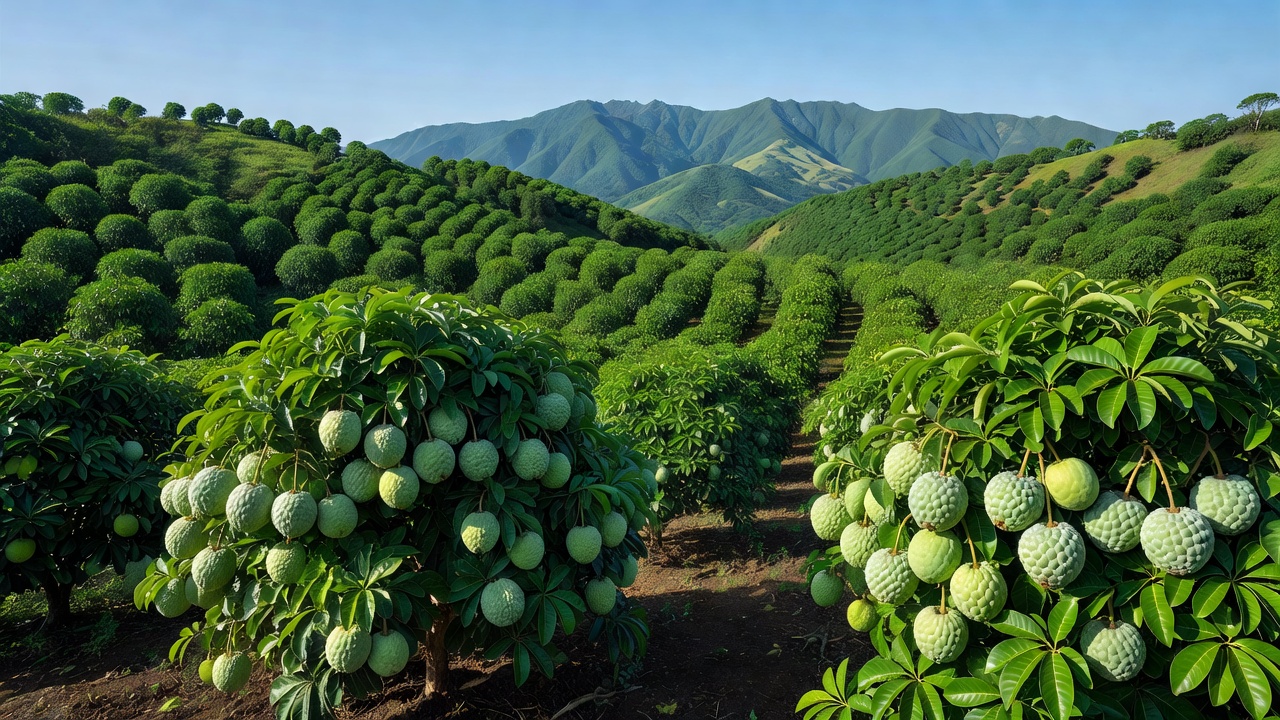
Taiwan’s agriculture ministry warned this week that China’s plan to ramp up imports of atemoya, also known as custard apples, represents a “raise, trap, kill” strategy that could leave farmers vulnerable to sudden market changes. The caution comes after a recent forum in Xiamen where Chinese firms pledged bigger purchases of the Taitung-grown fruit, echoing past disruptions such as the 2021 pineapple import ban that halved export volumes, as China accounts for 95 percent of Taiwan’s atemoya shipments according to local officials.
Taiwan’s agriculture ministry said in a Saturday press release that Beijing first makes large purchases to demonstrate goodwill and encourage expanded growing of atemoyas before it unilaterally imposes export restrictions without warning. The ministry described the approach as a classic example of the “raise, trap, kill” process, noting that China suspended atemoya imports in 2021 citing pest concerns, partially resumed them in 2023 and then added taxes on the fruit in 2024. Such steps cause the industry to face huge instability and farmers to bear great risks, the ministry added. It further pointed to China’s expansion of domestic atemoya cultivation in provinces such as Hainan, Yunnan, Guangxi and Guangdong as an additional threat.
Ministry of Agriculture figures from 2021 show Taiwan cultivated atemoya across 2,945 hectares, 99 percent of them in Taitung county, yielding 23.8 million kilograms with exports reaching 16,392 metric tons valued at $51.8 million. A 2022 study published in the journal Sustainability reported that China absorbed up to 97 percent of those exports prior to restrictions, while more recent data from the Taitung County Council places the current share at 95 percent due to quarantine barriers elsewhere. This concentration leaves producers exposed when policies shift, much as occurred with other agricultural goods.
The pattern replicates the 2021 Chinese ban on Taiwanese pineapples, which had been sent almost entirely to the mainland market and saw exports drop to 55 percent of 2019 levels that year despite a domestic promotion campaign, according to agricultural trade records. Taiwan has since sought to diversify outlets for its fruit, with total exports surpassing 2.47 million tonnes in 2024, FAOSTAT data indicates. In the atemoya sector, the ministry said it would focus on sustainable development by guiding producers toward value-added items including frozen fruit, puree and wines.
The pledges for increased atemoya purchases, along with those for fish and tea, emerged at a cross-strait forum in Xiamen earlier in June 2026 attended by Taiwanese business figures and Kuomintang politicians despite an official prohibition on central government involvement. Taiwan’s Mainland Affairs Council spokesperson stated that participants could face investigations for breaching the rules on such events. The agriculture ministry reiterated its commitment to stable farmer incomes through diversified markets rather than concentrated reliance on any single buyer.
Kuomintang lawmakers criticized the ministry’s statements as an effort to politicize the atemoya industry that might ultimately damage producers’ livelihoods. Taipei Mayor Chiang Wan-an accused the Mainland Affairs Council of seeking to bully and oppress Taiwanese farmers through its position on the issue. “There is not a country in the world that can produce a fruit as delicious and special as Taiwan’s atemoya,” Chiang told reporters on Saturday, likening the crop to the island’s leading semiconductor industry.
The episode fits within broader cross-strait dynamics in which Beijing, which claims Taiwan as its territory, has employed trade measures alongside increased military drills near the island. Similar restrictions have targeted Taiwanese wax apples and groupers in recent years, according to regional political analyses. Officials from Taitung have noted that Chinese atemoya output has already reached three times Taiwan’s level with twice the planted area, raising long-term competitive concerns for local growers.