ع
ع


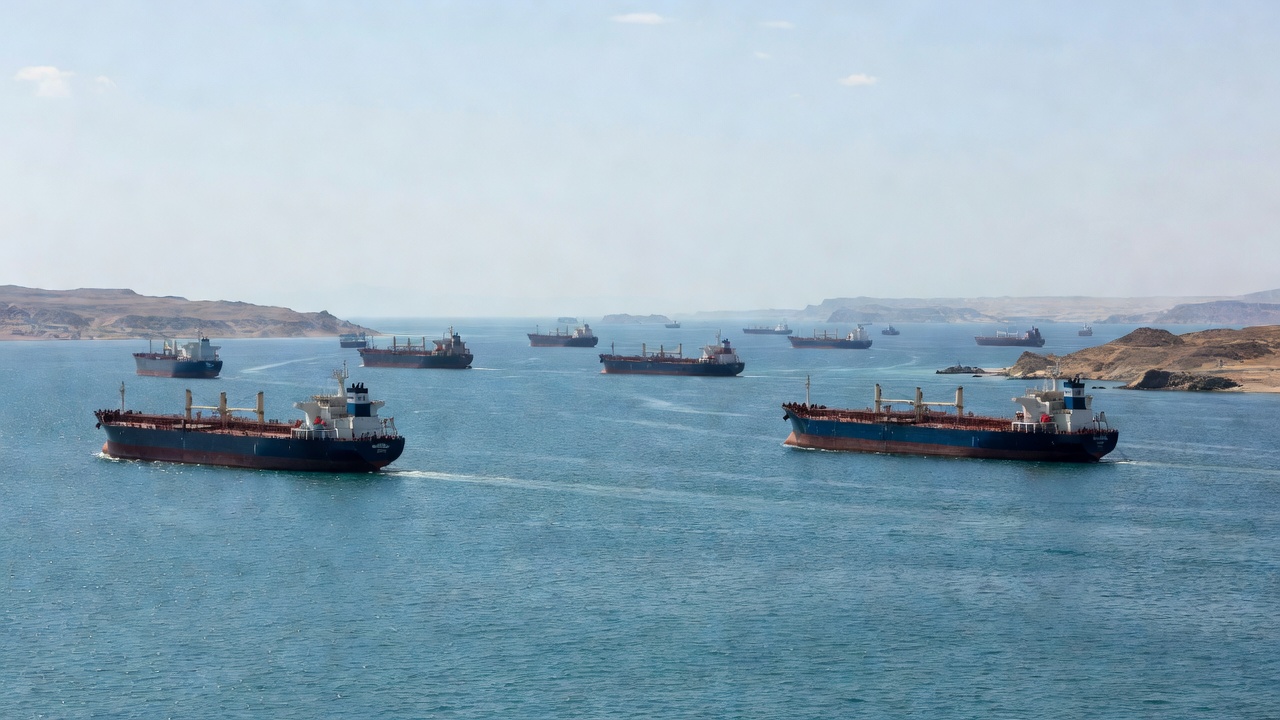
A preliminary deal between the U.S. and Iran signed on June 18, 2026, faced tests from escalated attacks in southern Lebanon and the postponement of scheduled talks in Switzerland the next day, according to The New York Times. President Donald J. Trump and Iranian President Masoud Pezeshkian agreed to end the war, reopen the Strait of Hormuz for shipping and establish a 60-day window for negotiations on Iran’s nuclear program along with sanctions relief that includes a $300 billion reconstruction fund. The developments have highlighted ongoing regional tensions even as shipping traffic through the strait began to resume.
The New York Times reported that Switzerland postponed the U.S.-Iran talks planned for Friday at Lake Lucerne, where the nuclear program was to be a central topic, with no new date set although preparations were continuing. Vice President JD Vance’s trip was delayed due to logistical issues described as unpredictable by the White House. In addition, the preliminary agreement calls for Iran to end its blockade and resume oil exports while the U.S. works toward lifting sanctions and unfreezing assets.
According to The New York Times, Israel and Hezbollah engaged in strikes in southern Lebanon on June 19, with the Israeli military targeting Hezbollah positions after alleging cease-fire violations and Hezbollah responding with rocket fire at Israeli tanks. Lebanese state news reported that at least eight people were killed in Israeli airstrikes near Nabatieh overnight, while four Israeli soldiers died in a related incident involving a tank. The clashes focused on strategic areas including the Nabatieh region, where Hezbollah claimed Israeli advances toward Kfar Tebnit and the Ali al-Taher ridge.
The U.S. Treasury Department announced sanctions on Lebanese officials and individuals affiliated with Hezbollah for their role in obstructing peace and delaying the group’s disarmament, The New York Times said. Israeli lawmakers and some Republican critics have voiced opposition to the deal, arguing that it offers Iran economic benefits before fully addressing the nuclear concerns. Vice President JD Vance addressed Israeli criticism by stating, “Donald J. Trump is the only head of state in the entire world who is sympathetic to the nation of Israel at this moment in time. If I was in the cabinet of the Israeli government, I might not be attacking the only powerful ally that I have anywhere left in the entire world.”
Iran’s Supreme Leader Mojtaba Khamenei described the agreement as one made by Trump “out of desperation” and asserted that Iran “won’t submit to excessive demands,” The New York Times reported. Khamenei further noted that “In-person negotiations don’t mean accepting enemy’s view.” President Trump had warned that failure by Iran to dismantle its nuclear program could lead to additional attacks.
The New York Times updates showed that at least 25 vessels including 14 tankers transited the Strait of Hormuz on Thursday following the deal’s signing, though about 500 ships had been stranded amid prior risks from mines and other security issues. BIMCO encouraged maritime operators to await clearer security conditions before fully resuming operations to avoid potential incidents. Several vessels from China, France and Italy were among those that passed through recently.
U.S. Energy Information Administration figures show that oil flows through the Strait of Hormuz averaged 20.9 million barrels per day in the first half of 2025, accounting for approximately 20 percent of global petroleum liquids consumption. The current preliminary deal comes after the 2015 Joint Comprehensive Plan of Action, from which the United States withdrew in 2018, according to a Council on Foreign Relations backgrounder. That earlier accord had sought to extend Iran’s nuclear breakout time in return for sanctions relief before subsequent violations and conflicts complicated the diplomatic landscape.