ع
ع


US Vice President JD Vance announced the collapse of face-to-face peace talks with Iran in Islamabad on April 12, 2026, after 21 hours of negotiations failed to produce an agreement, prompting the US military to declare a blockade of Iranian ports starting the next day. Vance, serving as Washington’s lead negotiator, identified Iran’s refusal to commit against seeking a nuclear weapon or the means to quickly acquire one as the central impasse. The development, which also drew a direct statement from President Trump on social media, has left the status of a two-week ceasefire uncertain even as Pakistan pledged to maintain its mediation role.
Vance told reporters in Islamabad before departing that the breakdown represented bad news for Iran far more than for the United States because Tehran had chosen not to accept American terms. “The bad news is that we have not reached an agreement. And I think that’s bad news for Iran much more than it’s bad news for the U.S. … They have chosen not to accept our terms,” he said. The vice president nevertheless left the door open for further diplomacy, describing the American proposal as a final and best offer that Iran could still accept.
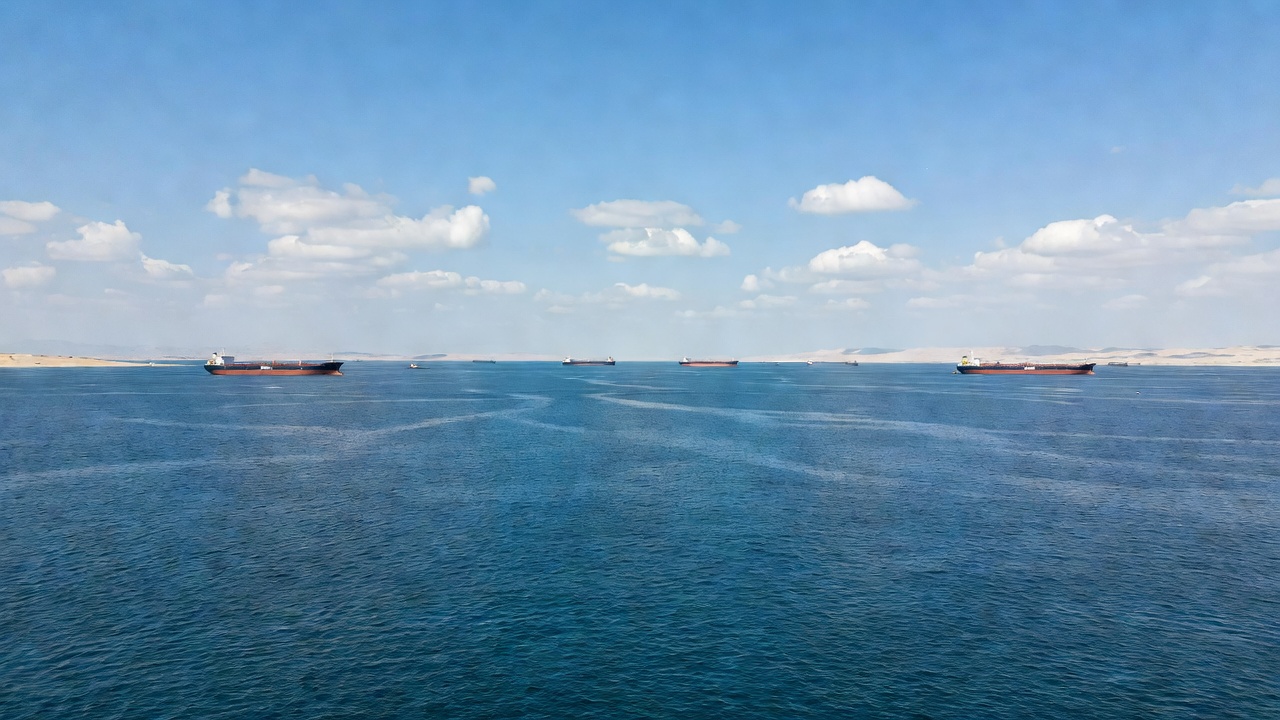
President Trump wrote on Truth Social that the meeting had gone well on most points but failed on the nuclear issue, which he described as the only one that mattered. He ordered the US Navy to begin blockading ships entering or leaving the Strait of Hormuz, terming Iran’s position there as extortion and directing forces to interdict vessels that had paid tolls to Tehran. Trump added that any Iranian who fired at US or peaceful vessels would face severe consequences, while a subsequent Fox News interview saw him express confidence that Iran would eventually return to the table.
The US Central Command stated that the blockade would commence at 10 a.m. ET on April 13 and would be enforced against vessels entering or departing Iranian ports and coastal areas on the Arabian Gulf and Gulf of Oman. CENTCOM stressed that freedom of navigation would not be impeded for ships transiting the Strait of Hormuz to and from non-Iranian ports. According to NPR reporting from the scene, two US Navy guided-missile destroyers had passed through the strait the previous day, the first such transit since the six-week war began.
Iran’s Foreign Ministry spokesperson Esmaeil Baqaei said the sides had reached an understanding on several issues but ultimately failed to conclude a deal, attributing the complexity to subjects including the Strait of Hormuz, nuclear matters, sanctions, reparations and ending the regional war. Baqaei noted in a statement to Iranian state media and a post on X that Tehran had demanded continued control over the strait as well as the release of $6 billion in frozen assets and an end to Israeli attacks on Hezbollah. He criticized the US for what he termed excessive demands while affirming that Iran’s nuclear program remains exclusively civilian.
A Council on Foreign Relations backgrounder recalled that the last comparable agreement, the 2015 Joint Comprehensive Plan of Action, imposed restrictions on Iran’s nuclear activities in exchange for sanctions relief before the Trump administration withdrew the United States from it in 2018. The current talks marked the first face-to-face engagement between the two countries since that deal and the highest-level discussions since the 1979 Islamic Revolution. US Energy Information Administration figures show that roughly one-fifth of global oil supplies transit the Strait of Hormuz, underscoring the potential economic stakes of any sustained blockade.
Pakistan’s Foreign Minister Ishaq Dar urged both parties to uphold the ceasefire and said Islamabad would continue facilitating peace efforts after hosting the negotiations. The talks occurred against the backdrop of ongoing Israeli military actions in Lebanon, where the Israeli military reported striking more than 200 Hezbollah targets over the weekend. Lebanese authorities said at least 35 people, including a Red Cross paramedic, were killed on April 12, while Hezbollah stated it continued rocket, drone and artillery attacks on Israeli forces.