A two-week ceasefire between the US and Iran took effect on April 8, 2026, after Pakistan brokered the deal to halt 40 days of fighting, with Tehran agreeing to reopen the Strait of Hormuz for shipping, Al Jazeera reported. The truce paves the way for talks in Islamabad this week as questions linger over its scope, including whether it applies to Lebanon.
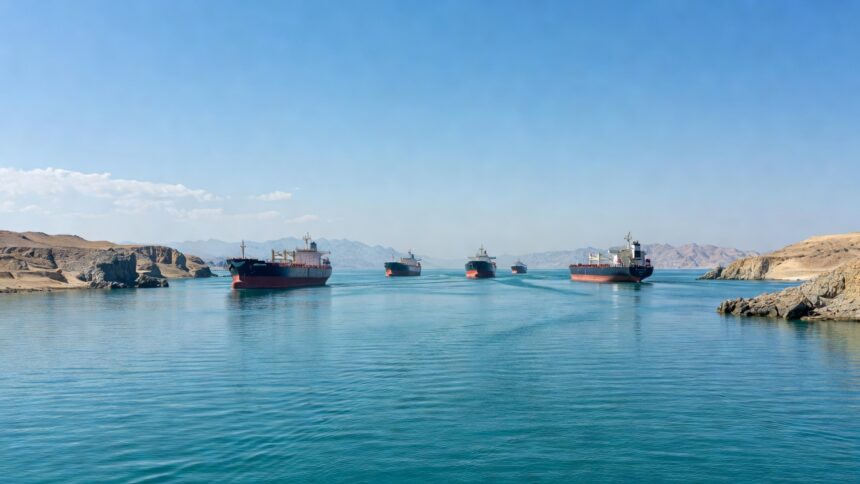
The ceasefire follows a period of escalation that began on February 28 when Israeli forces killed Iran’s Supreme Leader Ayatollah Ali Khamenei, triggering a cycle of strikes, the report said. Pakistani Prime Minister Shehbaz Sharif announced the cessation of hostilities on social media, saying both parties displayed remarkable wisdom and understanding and have remained constructively engaged in furthering the cause of peace and stability. According to the US Energy Information Administration, the Strait of Hormuz typically sees flows of around 20.9 million barrels per day in the first half of 2025, equating to about 20 percent of global petroleum liquids consumption.
Under the agreement the United States committed to halting its military strikes on Iran for the initial two-week period, with President Donald Trump claiming that all of Washington’s military objectives had been met, Al Jazeera said. Trump revealed that Iran had provided a 10-point proposal which he described as a workable basis on which to negotiate, including a fundamental commitment to non-aggression, acceptance of Iran’s nuclear enrichment programme and the lifting of all sanctions. Trump said on his social media platform Truth Social, “Almost all of the various points of past contention have been agreed to between the United States and Iran, but a two-week period will allow the Agreement to be finalised and consummated.”
Iran’s Foreign Minister Abbas Araghchi confirmed the country’s acceptance of the ceasefire on the condition that attacks against it stop, posting on X that if attacks are halted, its powerful armed forces will cease defensive operations. Araghchi added that the resumption of shipping across the Strait of Hormuz would occur in coordination with Iranian armed forces for the 14-day period. The plan reportedly allows Iran and Oman to charge fees on transiting ships, with proceeds directed toward Iranian reconstruction, according to an unnamed regional official cited by the AP news agency through the Al Jazeera article.
Israel announced it would halt attacks on Iran as part of the deal but Prime Minister Benjamin Netanyahu made clear that the ceasefire would not extend to its conflict with Hezbollah in Lebanon, the Al Jazeera article detailed. This position was supported by comments from the Netherlands that the US-Iran ceasefire does not include Lebanon, contrasting with Pakistani assertions. The related fighting in Lebanon has resulted in at least 1,497 deaths since March 2, Lebanese authorities reported.
Analysts have expressed caution about the truce’s durability. Robert Geist Pinfold, a lecturer in international security at King’s College London, told Al Jazeera that the ceasefire remains very uncertain in scope and implementation, with everyone claiming victory amid continued violations. Pinfold highlighted that key details, such as whether the agreement extends to Lebanon, have yet to be clarified, noting Israel maintains it will not while Pakistan says it will.
Negotiations are expected to start in Islamabad on April 10, 2026, with Pakistani Prime Minister Sharif inviting delegations from both countries to reach a conclusive agreement. Iran expert Trita Parsi stated that while talks could fail, the terrain has shifted because Trump’s failed use of force has blunted the credibility of American military threats. The International Energy Agency’s March 2026 Oil Market Report indicated that the prior closure of the strait had led to a plunge in oil flows from around 20 million barrels per day, forcing Gulf production cuts of at least 10 million barrels per day.