ع
ع


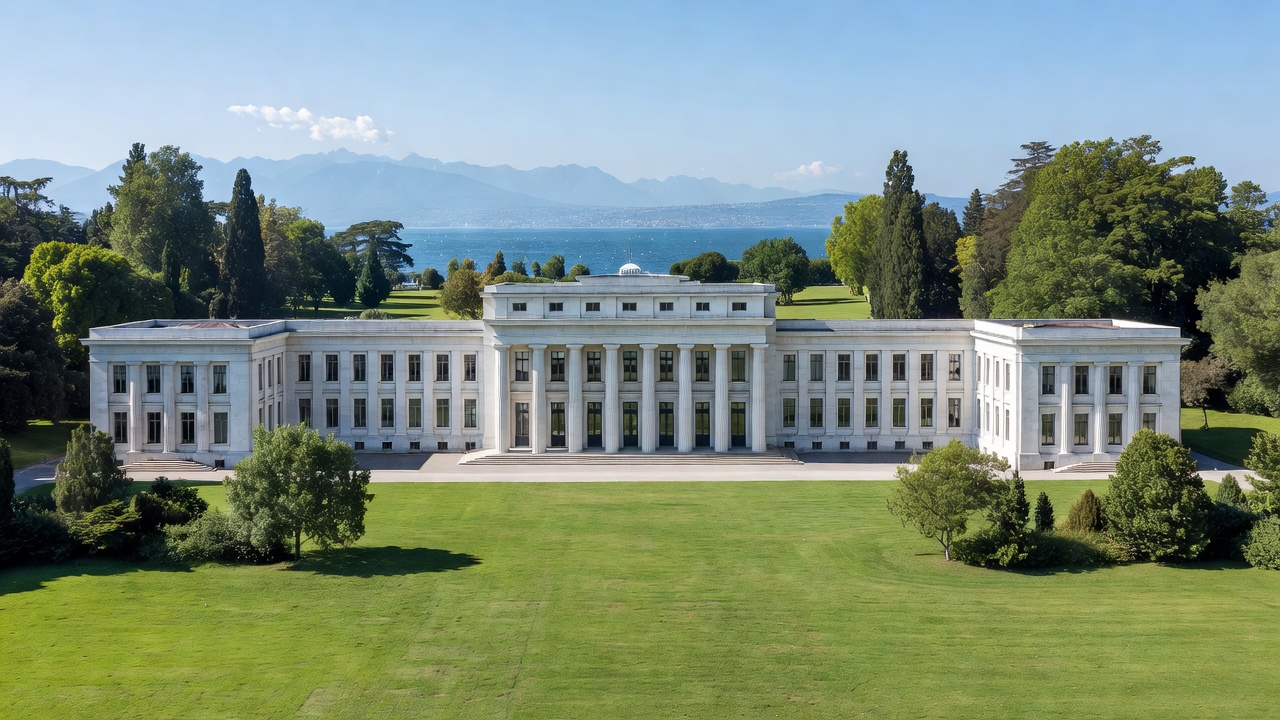
On June 14, 2026, Geneva police used tear gas and water cannons as a protest against the G7 summit turned violent with some demonstrators setting cars on fire and smashing windows near UN buildings. The event drew about 20000 people under the No G7 coalition according to Al Jazeera beginning peacefully before a group of around 600 black-clad protesters broke away.
According to coverage by Al Jazeera and other outlets the breakaway group smashed barriers threw stones at officers and set at least one vehicle ablaze including a Tesla marked with the phrase Eat the Rich. Al Jazeera’s photo gallery documented burning cars and damaged structures close to United Nations facilities in Geneva. Police countered with tear gas and water cannons as projectiles including bottles and firecrackers were directed at them. Additional property damage targeted a bank and a UN agency building as clashes extended into the evening hours.
The main procession advanced without disruption for much of the day as participants carried Palestinian flags along with climate banners and voiced opposition to capitalism and Western military alliances. A 69-year-old Swiss retiree participating in the march told Al Jazeera “I’m here because I don’t accept that this small group of leaders makes decisions that affect all of us.” Placards declaring “No to the G7 and all imperialist alliances” and “Abort the G7” appeared throughout the authorized demonstration route. Organizers had selected the path through Geneva to steer clear of the summit venue itself.
The No G7 coalition encompasses more than 60 associations unions and left-wing political groups including BDS trade unions such as the Swiss Union of Public Service Personnel and parties like SolidaritéS and the New Anticapitalist Party. The coalition framed the action as an internationalist response coinciding with Switzerland’s annual feminist strike. Protesters highlighted concerns ranging from Palestinian rights and environmental issues to critiques of global inequality and imperialism according to statements from the organizing bodies.
This gathering represents the 52nd G7 summit and convenes leaders from Canada France Germany Italy Japan the United Kingdom and the United States together with the European Union and invited participants from Brazil the United Arab Emirates and Turkey. The three-day meeting in Evian-les-Bains France from June 15 to 17 centers on the ongoing Ukraine conflict and the war with Iran that began in late February 2026 as outlined in pre-summit reporting by Al Jazeera. Swiss and French officials prepared extensively for both the diplomatic sessions and parallel demonstrations.
Authorities in both countries deployed thousands of security forces with Switzerland contributing approximately 4000 officers according to local media accounts. The choice of Evian-les-Bains referenced the 2003 G8 summit held there which had been marked by major violent protests according to organizers of the current events. The No G7 coalition cited those earlier disturbances while planning this year’s authorized march to minimize direct confrontation at the French resort location.
Footage broadcast by Euronews and the BBC depicted youth groups expressing frustration over globalization through bonfires and window smashing near the UN district. The disturbances stayed limited to those zones and did not reach central commercial areas of Geneva according to multiple on-scene reports. No official tallies of arrests or injuries had been issued by authorities in the initial accounts from June 14.