ع
ع


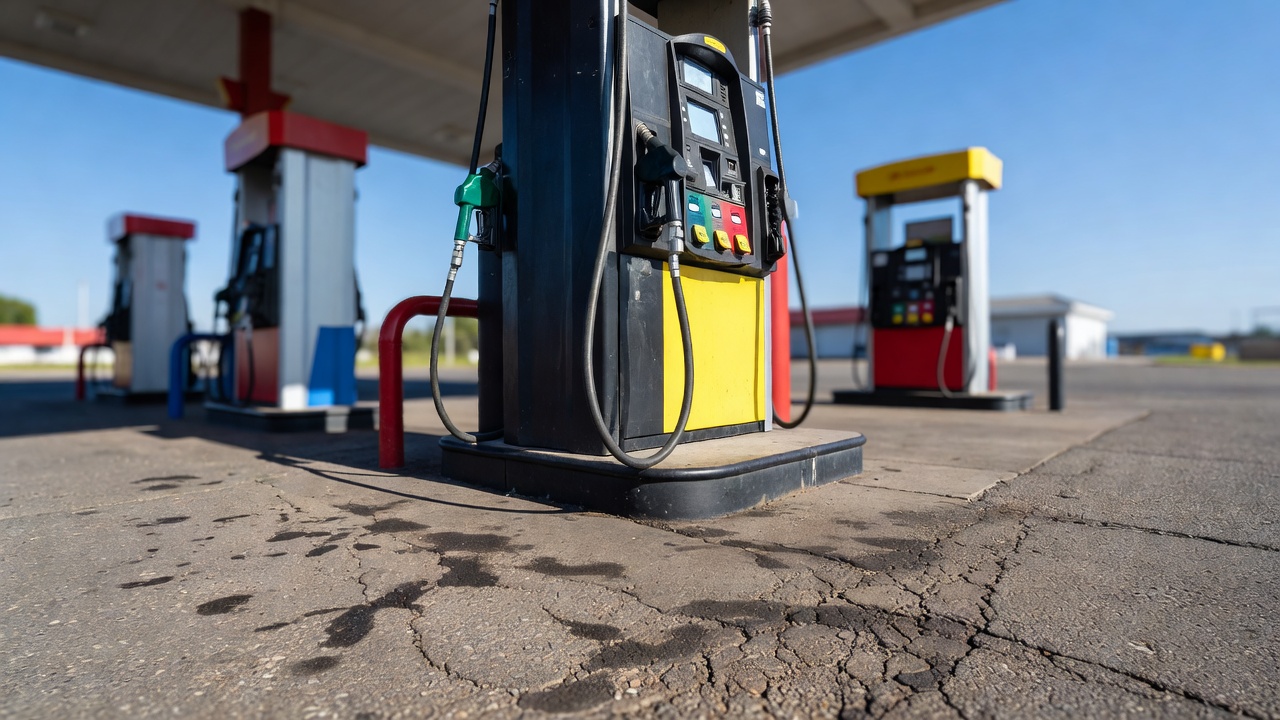
The national average price for diesel fuel in the United States reached a record $5.85 per gallon on September 4 according to figures from the American Automobile Association which showed the cost climbing more than 55 percent since the start of the Iran conflict and topping the previous high set in June 2022. AAA data also placed the average gasoline price at $4.15 a gallon on the same day up nearly 40 percent over the same period. Bloomberg reported that the diesel advance came as a global supply crunch intensified just ahead of peak demand season with the fuel serving as a key driver for freight agriculture and manufacturing across the economy.
According to a Bloomberg assessment the US-Iran war has halted tanker traffic through the Strait of Hormuz with TotalEnergies executive Patrick Pouyanne stating in August that not a single tanker of products was moving out of the waterway. At the same time Russia extended its ban on diesel exports through September following Ukrainian drone strikes on refineries a development that a Reuters report tied to further strain on global distillate supplies. The combined disruptions have pushed Brent crude above $95 a barrel according to AP figures up from roughly $70 before the conflict began in late February.
Energy Information Administration data released in late August showed distillate inventories including diesel at 14 percent below the five-year average with stocks hitting their lowest levels for the period since 1982. The EIA tally placed East Coast inventories at a record low of 19.3 million barrels heightening concerns for heating oil demand as winter approaches. GasBuddy data cited across multiple outlets including The New York Times confirmed the national diesel average broke the prior mark of $5.819 set on June 17 2022 as refineries operated near maximum capacity with some delaying maintenance.
Higher diesel costs are feeding into broader transportation expenses for consumer goods according to an AP analysis that noted the fuel powers delivery networks trucks and farm equipment with potential ripple effects on food and retail prices. Brown University researchers placed added gasoline and diesel costs for Americans near $95 billion since the conflict began a figure that an August update to the university’s Iran War Energy Cost Tracker tied directly to price spikes. Politico reported that the surge which represents nearly a 60 percent increase from year-ago levels around $3.71 could exacerbate inflation and influence voter sentiment ahead of November midterm elections.
Regional variations remain pronounced with AAA figures showing Western states facing steeper increases due to taxes and distance from production hubs. In Washington state for instance the average reached $6.81 per gallon compared with $5.03 a year earlier. The New York Times noted that while some cooling occurred mid-summer renewed escalations in the Iran conflict have driven prices higher just as US refineries run at 97 to 98 percent of operable capacity according to EIA weekly updates.
The Trump administration has pointed to a recently announced oil development deal with Venezuela as a potential offset with the agreement calling for development of 17 strategic fields holding an estimated 65 billion barrels of reserves according to statements carried by the BBC. Public polling cited in the same report showed the president’s approval rating at 33 percent with only 31 percent of respondents approving of the conflict’s handling. Vice President JD Vance told reporters the high prices stemmed from Iranian actions targeting tankers while downplaying the risk of a wider energy crisis.