ع
ع


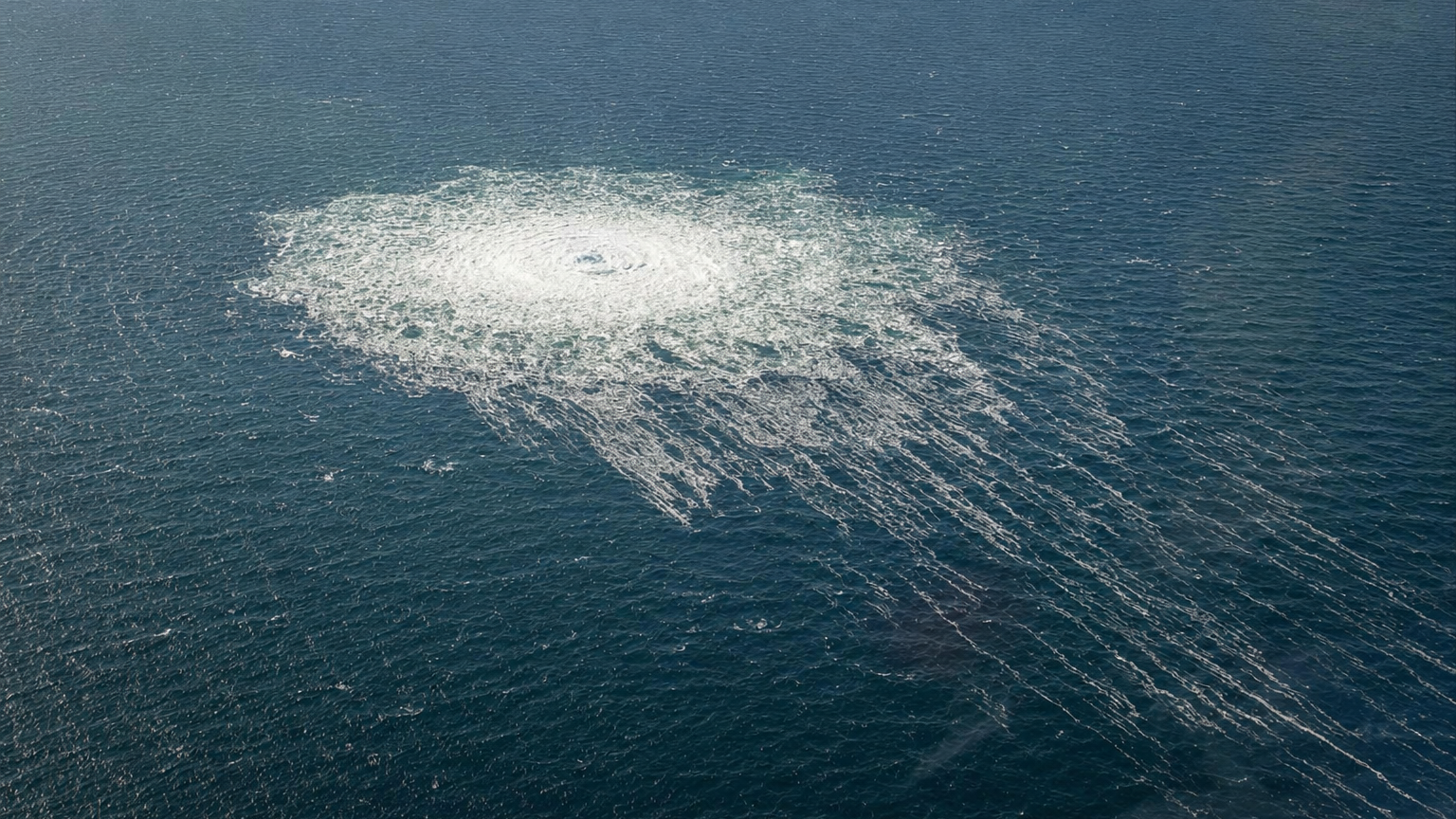
German federal prosecutors have charged Serhii K. with causing explosions, anti-constitutional sabotage and committing a war crime by attacking civilian infrastructure in the September 2022 blasts that disabled three of four Nord Stream pipelines beneath the Baltic Sea. The Federal Public Prosecutor’s Office filed the indictment against the Ukrainian national on June 30 2026 after his extradition from Italy the previous November, with the trial set to open at the Hanseatic Higher Regional Court in Hamburg on October 14. Prosecutors allege that Serhii K., who served as an officer in the Ukrainian army at the time, coordinated a team of divers and support personnel who planted high-performance military explosives using a chartered yacht, aiming to cut off Russian gas revenues that could finance the war against Ukraine.
Investigators from the Federal Criminal Police Office and federal police traced the plot through a sailing vessel named Andromeda rented in Rostock for around 12,000 euros with falsified identification documents, according to the indictment detailed by German public broadcaster ARD and newspapers including Sueddeutsche Zeitung. Forensic analysis uncovered traces of HMX explosives on the yacht along with forged Swedish passports and other evidence that matched the suspect’s identity through a scanned document showing a photograph prosecutors described as unmistakable. Data extracted from a mobile phone seized from Serhii K. after his arrest revealed extensive research into vulnerabilities at critical infrastructure sites, which the Federal Public Prosecutor’s Office said formed part of the preparations for the operation near the Danish island of Bornholm.
The sabotage team, which included trained divers such as Vladimir Z. and other Ukrainian nationals, sailed from German waters and placed multiple timed explosive devices weighing up to 27 kilograms each at depths of around 80 meters, federal prosecutors stated. Three lines were ruptured when the charges detonated on September 26 2022 in what became the largest man-made methane release ever recorded, according to environmental monitoring data compiled by Swedish and Danish authorities. Prior to the attack Nord Stream 1 had supplied roughly half of Germany’s annual Russian natural gas imports used for electricity and heating, a flow that German economy ministry figures showed was already reduced but still critical before the explosions ended it permanently.
Serhii K. has denied any involvement in the sabotage, and Ukrainian officials including President Volodymyr Zelensky have rejected suggestions of state direction. “Nothing of the kind has Ukraine done. I would never act like that,” Zelensky said in response to earlier reporting on possible Ukrainian links. The Federal Public Prosecutor’s Office nevertheless maintains that sufficient evidence exists to show the operation was commissioned and steered by Ukrainian government entities, though it has not identified specific superiors or established whether President Zelensky was informed.
Separate investigations by Sweden and Denmark into the same explosions were closed in 2024 without charges, with both countries citing insufficient grounds for prosecution under their jurisdictions despite sharing some findings with German authorities. A second suspect, diver Vladimir Z., was arrested in Croatia in August 2026 on a German warrant and remains in proceedings that could lead to extradition, according to updates from the Federal Public Prosecutor’s Office. German courts have asserted jurisdiction because the pipelines terminate on German territory at Lubmin and the disruption affected national energy security.
The Hamburg court ruled at the end of September 2026 that the Russian-owned pipeline operators Nord Stream AG and Nord Stream 2 AG could not join the trial as co-plaintiffs, determining that any civil claims for damages should be pursued separately from the criminal case. This decision explicitly separated direct losses from the blasts from broader economic consequences tied to the wider conflict with Russia, court statements showed. Four years of investigative work by German agencies have produced a 136-page indictment that prosecutors say establishes both the operational details and the chain of command behind Europe’s largest act of infrastructure sabotage in decades.