ع
ع


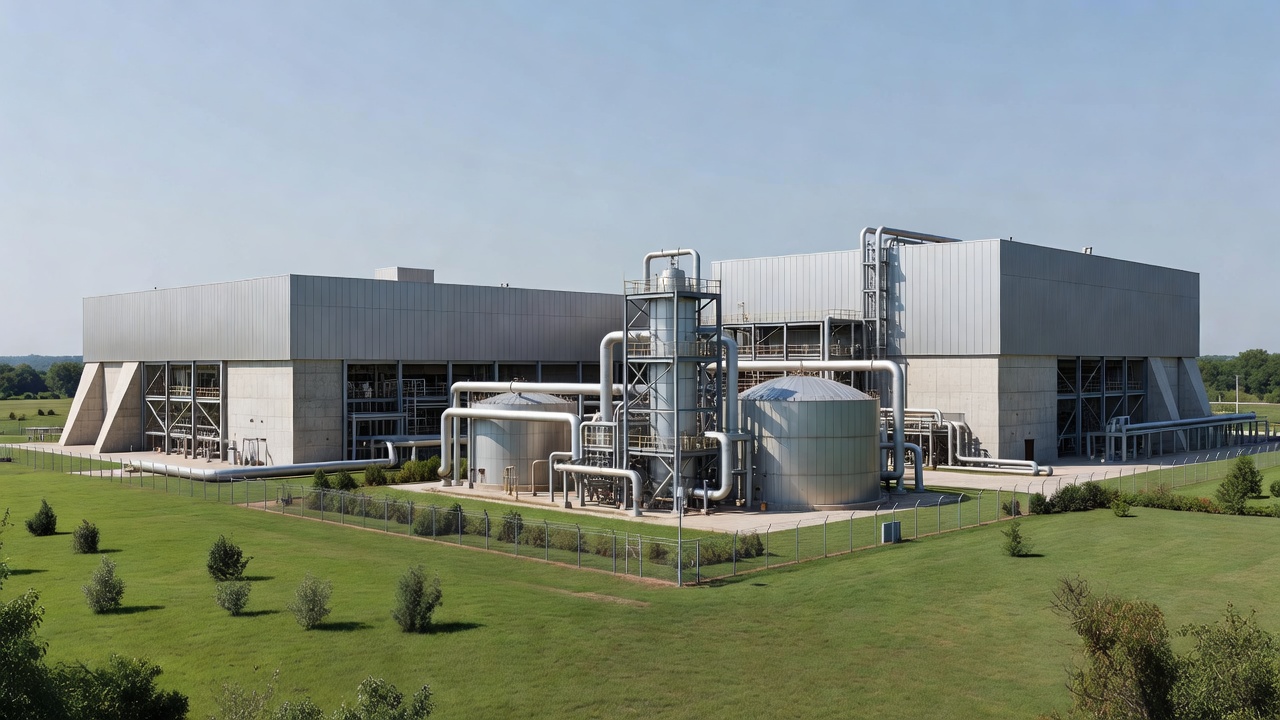
The Trump administration on Thursday imposed a 15 percent tariff on polysilicon and related products while establishing minimum import prices following a national security investigation that identified risks from overseas competition. The measures will enter into force in December and will coincide with incentives designed to expand domestic manufacturing capacity according to the White House executive order. President Donald Trump stated that he accepted recommendations from Commerce Secretary Howard Lutnick and noted that for decades the United States had allowed foreign firms to weaken its producers in the polysilicon sector.
Polysilicon constitutes a foundational input for semiconductors deployed in artificial intelligence applications military equipment and consumer electronics making supply chain security a strategic concern. China Photovoltaic Industry Association data placed that country’s share of global production at 93.2 percent in 2024 reinforcing its near-monopoly position. The order documented how the United States share of worldwide polysilicon output contracted from 50 percent in 2005 to less than 2 percent last year.
The tariff and price floors are expected to benefit primary domestic producers Hemlock Semiconductor and Wacker Chemie which maintain significant operations inside the United States according to the administration assessment. A Reuters report on the announcement recorded immediate rallies in shares of several US-listed solar manufacturers with First Solar advancing nearly 5 percent Canadian Solar gaining more than 5 percent and additional firms registering similar increases. Separate supply chain analyses have projected that such tariffs could elevate costs for certain semiconductor components by 5 to 20 percent.
The Chinese embassy in Washington responded that the tariff seriously disrupts trade between the two countries and that Beijing will act to protect its companies. The embassy added that Washington is abusing state power to go after Chinese businesses and that protectionism will not make the US more competitive. Analysts quoted by the Global Times characterized the tariff as the latest escalation in efforts to limit China’s role in critical technology supply chains.
A Mordor Intelligence assessment projected the global polysilicon market to expand from 16.31 billion dollars in 2025 to 34.19 billion dollars by 2031 reflecting compound annual growth above 13 percent driven by demand in solar and electronics sectors. Asia-Pacific markets captured more than 64 percent of that value in 2025 with China maintaining structural advantages through integrated production chains. The tariff decision arrives as the United States seeks to diversify sources amid ongoing technological competition with China in artificial intelligence development.
The action extends a pattern of restrictions the administration has applied to Chinese technology imports including recent measures on drones and humanoid robots. Commerce Department officials conducted the year-long Section 232 probe that underpinned the executive order focusing on how import surges had undermined American competitiveness in both solar and semiconductor manufacturing. Industry monitors continue to track downstream effects on global supply chains as the December implementation date approaches.