ع
ع


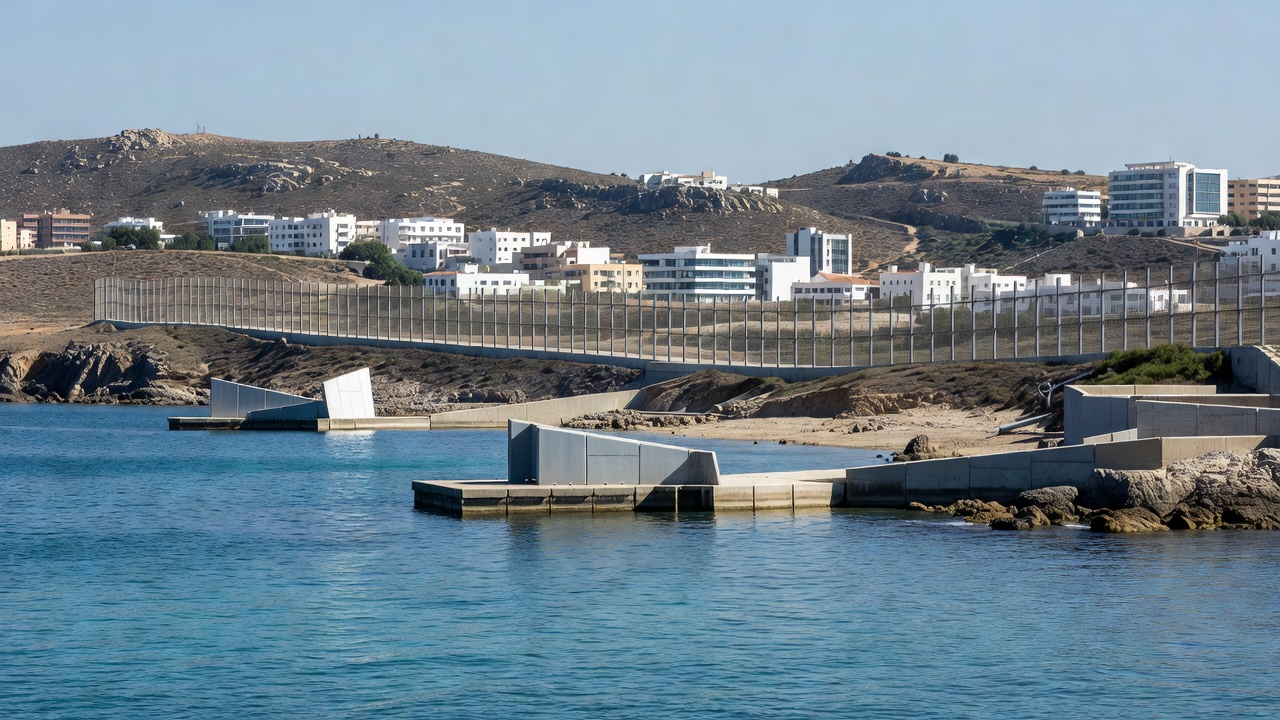
Spanish authorities deployed military units to the enclave of Ceuta after local officials reported that about 49,000 migrants had crossed from Morocco within a single day, overwhelming border facilities and reception centers. Videos from the scene showed large groups swimming around maritime barriers and reaching shore on Thursday, with crossings persisting overnight into Friday. Ceuta’s government appealed directly to Madrid for support to restore order at the frontier, according to multiple Spanish outlets that covered the unfolding events.
At least 18 people died in recent crossing attempts, local authorities stated, while at least 7,000 of those who reached Ceuta are minors. The influx exceeds half the enclave’s resident population of roughly 85,000, placing immediate pressure on housing, medical services and food supplies. Reception facilities had already reported being full prior to this latest wave, according to statements from regional officials.
The surge comes after Spain’s Supreme Court ruled this month that migrants intercepted at sea cannot be returned to Morocco without individual processing. Spain’s Interior Ministry attributed the coordinated movement to smuggling networks taking advantage of the decision, and it said it was working in close coordination with Moroccan counterparts to address the flows. The ministry’s assessment highlighted the role of organized facilitators in encouraging departures from nearby beaches.
This episode surpasses the scale of a 2021 incident in which around 8,000 migrants entered Ceuta over two days after Moroccan authorities eased border controls during a diplomatic dispute, the Associated Press reported. That earlier event also led to strained resources and heightened bilateral tensions that took months to resolve. Similar episodes have occurred periodically at both Ceuta and Melilla, Spain’s two North African enclaves, where migrants have attempted fence climbs, swims or hidden crossings.
In direct response to the current arrivals, Madrid sent army reinforcements at the request of Ceuta leaders, Reuters reported. An informed source told Hespress that Spain and Morocco had agreed to return all those determined to have crossed illegally during the surge, including minors. The arrangement focuses on expedited processing while providing humanitarian assistance to vulnerable individuals already in the enclave.
Bilateral and EU-level cooperation with Morocco on migration has expanded since a sharp rise in Western Mediterranean arrivals recorded in 2018, according to documentation from the European Council. Those initiatives encompass joint border management, capacity building for Moroccan authorities and programs aimed at addressing root causes in countries of origin. Despite the measures, the enclaves continue to represent one of the European Union’s few land borders with Africa and remain a persistent migration pressure point.