

 ع
ع


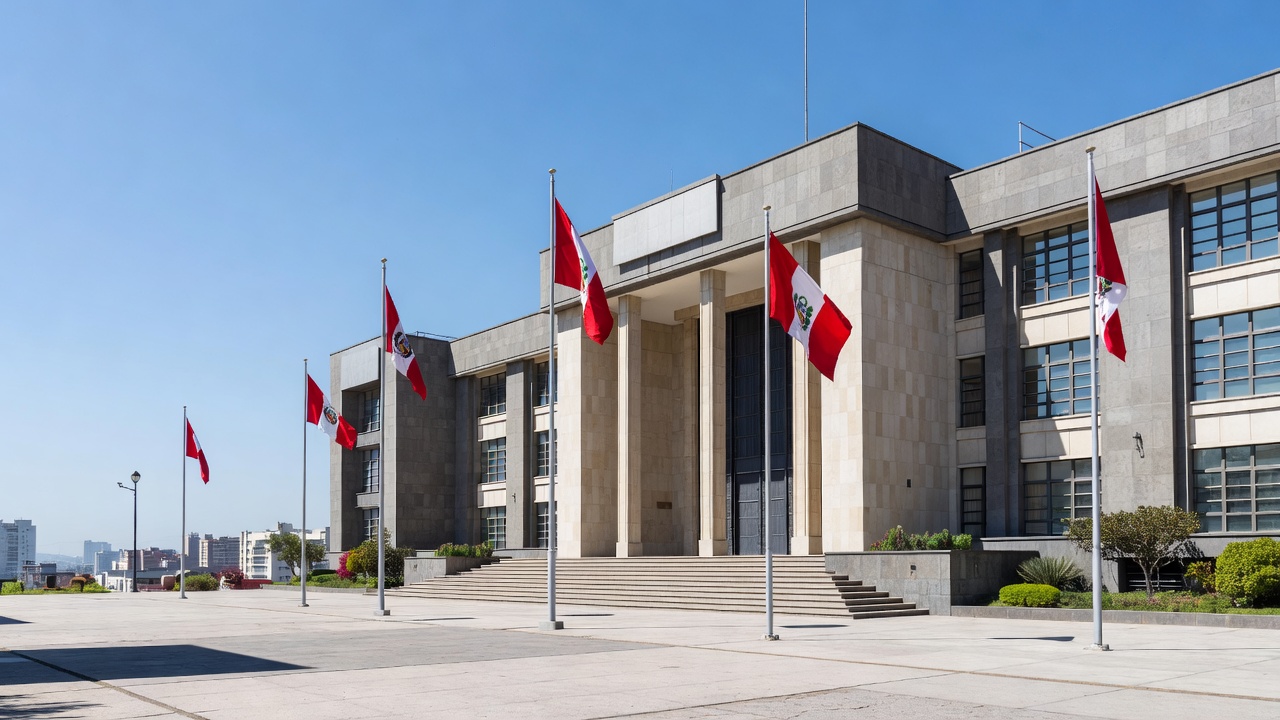
Peru’s constitutional court ruled to nullify the entire criminal case against former president Ollanta Humala, determining that the offenses for which he had been convicted were not punishable at the time they occurred, according to reports from Ground News and CGTN. The decision led to his immediate release from Barbadillo Prison in Lima on the evening of July 31, where supporters had gathered to witness his exit from the facility. Humala served as president between 2011 and 2016, and the annulment brings an end to a prolonged legal battle that began after his term concluded.
Humala’s lawyer Julio Espinoza Goyena announced via social media that the contributions received during electoral campaigns do not constitute money laundering, a position the constitutional court ultimately upheld in its verdict. The attorney called on the criminal chamber handling the matter to issue a definitive dismissal of all proceedings against his client. Following his release, Humala addressed reporters outside the prison and maintained that he and his family had endured unjust treatment throughout the process.
A Peruvian superior court had sentenced Humala and his wife Nadine Heredia to 15 years in prison each during proceedings that concluded in April 2025, an outcome detailed at the time by the Associated Press. The couple co-founded the Nationalist Party, and the case centered on allegations that stretched back to their unsuccessful 2006 presidential bid and the successful 2011 campaign. Heredia received safe passage to Brazil after seeking asylum at that country’s embassy in Lima, while Humala remained incarcerated until the latest ruling.
Prosecutors had accused the pair of accepting approximately $3 million from Brazilian construction giant Odebrecht to finance the 2011 effort in addition to $200,000 from Venezuelan leader Hugo Chávez for the earlier contest, according to trial evidence summarized by the Associated Press. Both consistently denied the charges and described the prosecution as politically motivated persecution. The original conviction followed years of pretrial detention and a trial that opened in 2022, marking one chapter in a wider regional inquiry.
The case formed part of the Odebrecht scandal that engulfed Latin American politics after the company admitted to disbursing $788 million in bribes across multiple countries, a figure established in a 2016 U.S. Department of Justice settlement. In Peru the investigation implicated officials at the highest levels and contributed to the downfall or legal troubles of several former leaders, an assessment shared in reporting by the International Consortium of Investigative Journalists. The Brazilian firm ultimately paid more than $2.6 billion in global fines as a result of the broader probe, according to Council on Foreign Relations documentation of the affair.
Four Peruvian presidents since 2001 faced scrutiny in connection with Odebrecht activities, including Alejandro Toledo, who received a sentence exceeding 20 years for bribery, Alan García, who died by suicide in 2019 while facing arrest, and Pedro Pablo Kuczynski, who endured impeachment proceedings, according to multiple accounts compiled by the Associated Press and ICIJ. The scandal surfaced publicly after Odebrecht’s 2016 plea agreement and exposed systemic vulnerabilities in campaign financing across the region. Peruvian authorities continue to pursue related inquiries even as the Humala matter has now been closed by the constitutional court.
Humala first gained national attention as a retired army lieutenant colonel who led a brief uprising against then-president Alberto Fujimori in 2000, a biographical detail noted across historical coverage of his career. He ran for the presidency in 2006 on a platform drawing from Venezuelan socialist policies before moderating his approach to secure victory in 2011 by appealing to centrist voters. His administration navigated economic growth alongside social tensions, yet legal complications emerged shortly after he left office in 2016 as the Odebrecht admissions rippled through the political establishment.