

 ع
ع


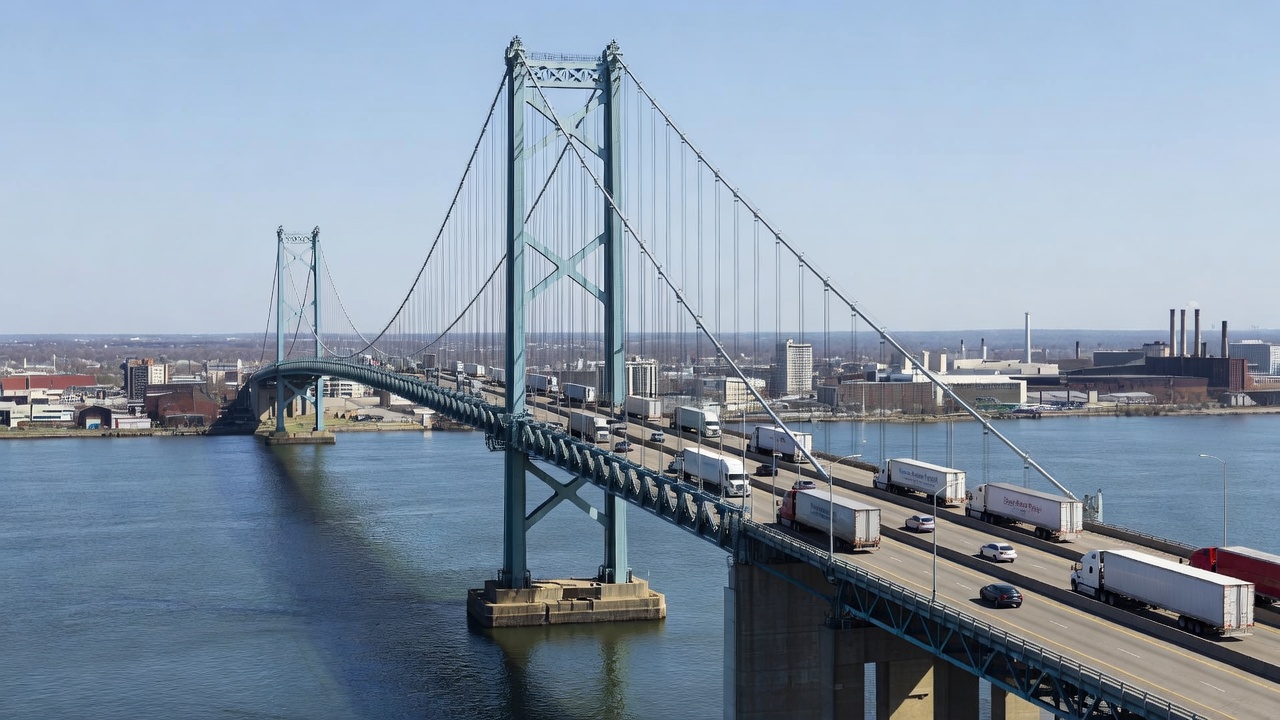
The escalation follows last week’s breakdown in talks, with the US applying 50 percent duties on around 5.5 percent of Canada’s exports to the United States under Section 338 regardless of USMCA compliance, an Oxford Economics assessment found. Canada has committed to dollar-for-dollar retaliation with 50 percent tariffs on roughly C$28 billion of US imports effective September 8, which would lift Canada’s effective tariff rate on American goods by 3.9 percentage points to just over 6 percent. The combined measures are projected to reduce Canadian GDP by 0.3 percentage points below baseline in 2027 and increase consumer prices by around 0.3 percentage points next year, according to the firm’s Global Economic Model. Manufacturers in Quebec, New Brunswick and Ontario face the heaviest exposure from duties on plastics, electrical machinery and wood products.
Oxford Economics lead economist Bernard Yaros said automotive sector buffers are wearing thin after prior duties, with the threatened additional 50 percent tariff on Canadian vehicles, trucks and parts from January 1, 2027, likely to feed through to higher consumer prices. Integrated cross-border supply chains mean the levies would also disrupt US auto production in Midwestern states such as Michigan, Ohio and Indiana. The assessment noted that new-vehicle prices have so far risen only modestly above trend as manufacturers absorbed earlier costs, but that capacity to do so is diminishing.
A BBC News examination of the dispute highlighted parallel impacts on construction materials, where existing tariffs on steel, aluminum and lumber have been matched at 50 percent on metals while Canada targeted US plywood and screws. The United States imported $23 billion in wood products during 2024 with approximately half sourced from Canada, amplifying upward pressure on homebuilding expenses, according to figures referenced in the reporting. National Association of Home Builders chairman Bill Owens called for exemptions, warning that the measures would heighten uncertainty, strain supply chains and increase costs at a time when housing affordability remains a crisis.
Canadian retaliatory tariffs cover household items such as carpets, washing machines, furniture, refrigerators and alcohol, though Capital Economics North America economist Bradley Saunders assessed that many goods are fungible and consumers could shift to domestic alternatives to minimise direct price effects. Provincial bans on US alcohol sales have already slashed exports by more than 70 percent in affected categories, with the restrictions expected to resume following the collapse of restoration talks and to support a broader push to buy Canadian products. Saunders added that the most significant consequence would likely appear in job losses, citing the example of a British Columbia furniture producer that faced closure after losing US market access.
Cumulative tariff measures across multiple rounds are estimated to impose an average burden of about $920 per US household in calendar year 2026, Tax Policy Center figures show. The Yale Budget Lab placed the incremental cost from the latest Canada-specific tariffs at roughly $30 per household but projected that a wider trade conflict could elevate the overall annual figure above $1,000. These duties arrive as inflation has already exceeded the Federal Reserve’s 2 percent target, with July prices rising 3.4 percent from a year earlier partly due to other global pressures.
The dispute further clouds the future of the USMCA, which Canada and Mexico have sought to extend for 16 years but which the US has declined to renew in its current form, multiple economic reports noted. Oxford Economics modelling of a complete USMCA breakdown forecasts cumulative GDP losses of $1 trillion for the United States and C$271 billion for Canada over the next decade, together with 214,000 fewer US jobs and 102,000 fewer Canadian jobs in 2027. Director of Canada economics at Oxford Economics Tony Stillo warned that such an outcome would push the Canadian economy into recession and leave it on a permanently lower growth trajectory.