ع
ع


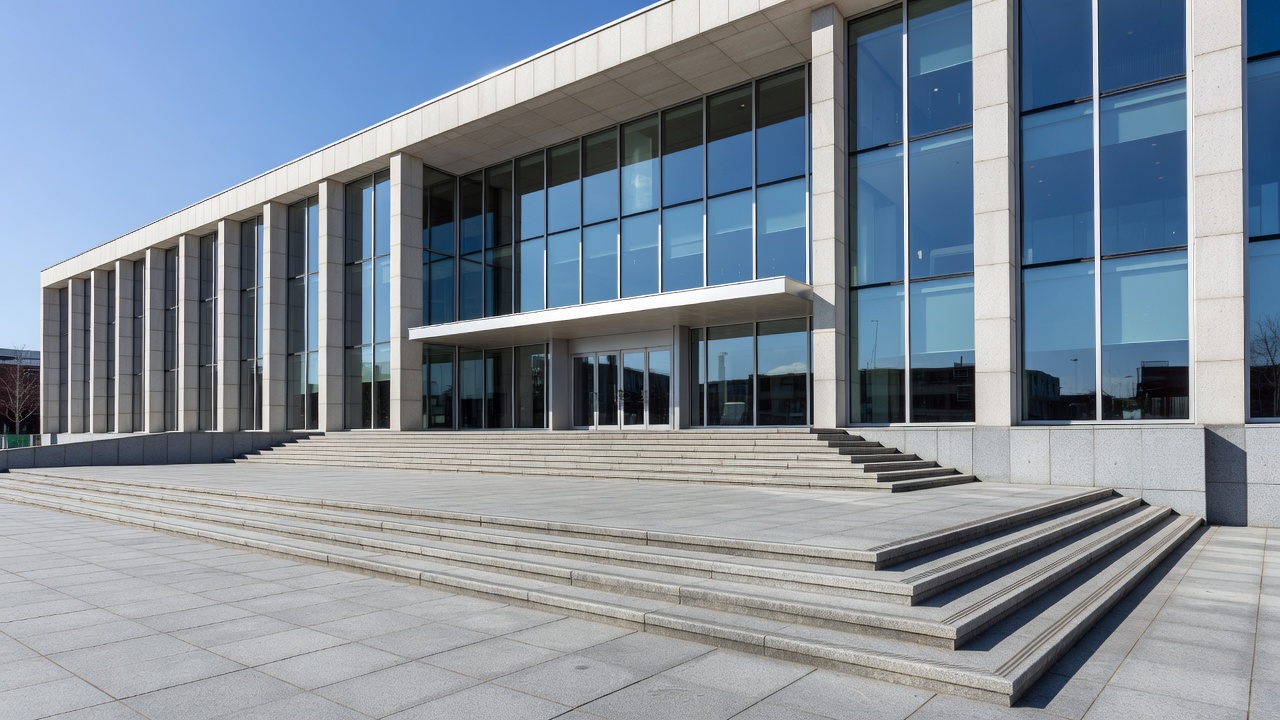
The Central Criminal Court convicted Riad Bouchaker, aged 52 and of no fixed address, on all eight charges after the jury deliberated for around six hours. Bouchaker, originally from Algeria, was found guilty of the attempted murder of two girls and one boy as well as assault causing serious harm to crèche worker Leanne Flynn and assaults on two other children and a teenager. Judge Tony Hunt thanked the jurors for their hard work in a difficult case, noted that the verdicts aligned with the evidence presented and remanded Bouchaker in custody ahead of sentencing on 12 October.
Trial evidence detailed how a five-year-old girl suffered a life-long brain injury after Bouchaker stabbed her in the heart during the 15-second attack on 23 November 2023 at Parnell Square East. The prosecution described the defence argument that Bouchaker lacked murderous intent as absurd and urged the jury to focus on his actions rather than his words, according to RTE.ie. Witnesses told the court that a passer-by punched Bouchaker in the head to stop the assault, with one account describing him as trying to “cut up kids,” per Virgin Media News reports.
Bouchaker was arrested nearly a month after the incident once discharged from hospital where he had been suffering post-traumatic amnesia and denied targeting the smallest children or intending to kill anyone. The Journal.ie reported that the defence suggested alternative verdicts of assault causing harm while the prosecution maintained the case for attempted murder was clear based on the severity and location of the wounds. Closing arguments concluded days before the Wednesday verdict with the jury sworn in earlier in the trial process that began in June 2026.
The attack outside a primary school and crèche prompted immediate rumours on messaging apps that the perpetrator was an illegal immigrant carrying out an act of terrorism, which far-right groups amplified online. NPR reporting linked the rapid spread of misinformation to a small but vocal far-right faction exploiting anti-immigration fears in the wake of other high-profile cases. Wikipedia’s entry on the 2023 Dublin riot notes that the suspect’s identity as Bouchaker was confirmed later while initial false claims that children had died circulated widely via WhatsApp, Telegram and other platforms.[[1]](https://www.npr.org/2023/11/26/1215227762/how-the-rise-of-the-far-right-in-ireland-provoked-the-dublin-riots)[[2]](https://en.wikipedia.org/wiki/2023_Dublin_riot)
Ireland’s then-Garda Commissioner Drew Harris blamed the ensuing riots on a “lunatic, hooligan faction driven by a far-right ideology” after the largest deployment of riot police in the state’s history responded to hours of violence. Eleven police vehicles were destroyed, three buses and a tram were set alight, 13 shops were badly damaged with others looted and several officers were injured, according to multiple accounts including the BBC. The unrest on O’Connell Street marked an escalation not seen since earlier riots in 2006 and led to widespread criticism of policing alongside a government push for enhanced public order measures.[[3]](https://www.bbc.co.uk/news/articles/c78yjgpr5j3o)
Following the disorder more than 30 individuals faced charges connected to the riots while authorities borrowed water cannons from Northern Ireland, passed laws enabling police body cameras and announced expanded use of tasers and pepper spray. The five-year-old victim was discharged from hospital in August 2024 but remains non-verbal, communicates by blinking and requires a wheelchair due to her injuries, according to updates shared during the trial and related coverage. The case has highlighted ongoing debates around immigration, integration and far-right activity in Ireland as detailed in analyses from outlets such as NPR and the BBC.