ع
ع


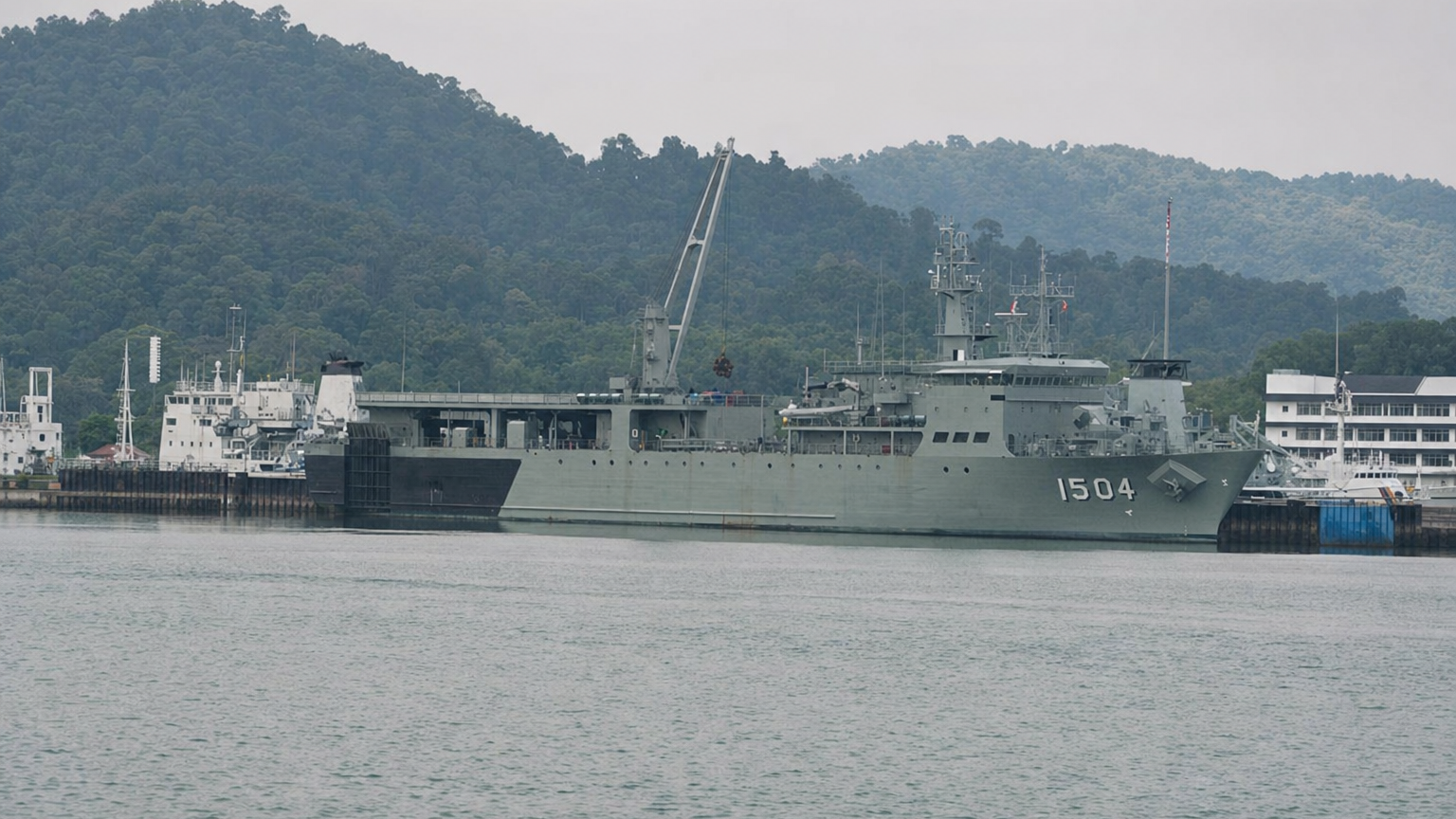
Malaysia on Tuesday initiated the repatriation of around 1,500 Myanmar nationals from the port of Lumut using two Myanmar navy warships and a hospital ship, Reuters reported from the scene. The group of 1,476 individuals was identified by Myanmar authorities as the first tranche under a bilateral agreement that Malaysian officials have described as strictly voluntary. Prime Minister Anwar Ibrahim’s government has maintained that the process follows improved diplomatic ties with Myanmar, though it has prevented UNHCR staff from accessing or screening those detained ahead of departure.
The UNHCR has stated that current conditions “do not support the safe and sustainable return of refugees from Myanmar” and confirmed it played no part in selecting those being sent back, according to a statement emailed to Reuters. Human Rights Watch has called on Malaysia to reverse course, warning that returns violate international obligations by exposing people to persecution and forced conscription in a nation where the military has detained thousands of activists since the 2021 coup. A representative for Myanmar’s Chin community in Malaysia, James Bawi Thang Bik, said community leaders had identified several asylum seekers in the group, including at least one holder of a UNHCR card.
Malaysia’s home ministry had announced in August that the first phase would proceed on Sept. 29 after screening more than 10,000 Myanmar nationals then held in immigration detention centres, a government statement detailed. The broader plan, discussed since July, originated from Anwar Ibrahim’s assertion that Myanmar had consented to accept 5,000 Rohingya refugees amid local community tensions over resources and jobs in Malaysia, AP News and Reuters both reported. It remained unclear whether Rohingya were included in Tuesday’s returns, with one Myanmar foreign ministry official telling AP that the focus was on verified non-Rohingya detainees.
UNHCR data placed the number of registered refugees and asylum seekers in Malaysia at around 193,800 from Myanmar as of February, forming the bulk of the country’s total of more than 215,000 such individuals. Myanmar has experienced widespread fighting since its 2021 military takeover, with the junta clashing against ethnic armed organisations on several fronts, a situation the UNHCR has repeatedly assessed as precluding safe repatriation. The BBC reported that a bombing in Rakhine state’s Kyauktaw town on Monday killed 49 people, underscoring the instability in areas where many returnees might be sent.
More than 160 civil society groups issued a joint statement on Sept. 23 urging Malaysia to suspend the returns, citing risks of violence, forced recruitment by the military or groups such as the Arakan Army, and potential targeting of Rohingya, according to Reuters coverage of the appeal. Anwar Ibrahim, whose remarks were cited by the New Straits Times, had said in July, “People ask why we do not simply send them back. Send them where? Myanmar had refused to accept them before. Now, because of our good relations with Myanmar, they have agreed to take back 5,000 from Malaysia.” Malaysian communications minister Fahmi Fadzil told reporters in August that authorities would not proceed with any repatriation found to endanger lives, a position the home ministry has reiterated in official releases.
The operation reflects Malaysia’s new domestic refugee registration system, which has channelled thousands of detainees into either documentation or repatriation pathways this year, the home ministry’s August update showed. Malaysia is not a signatory to the 1951 UN Refugee Convention and does not formally recognise refugee status, though it has hosted large numbers fleeing Myanmar for decades, UNHCR figures indicate. Over 4,000 primarily Rohingya detainees are being processed separately under the new Refugee Registration Document programme, according to the same ministry data.