

 ع
ع


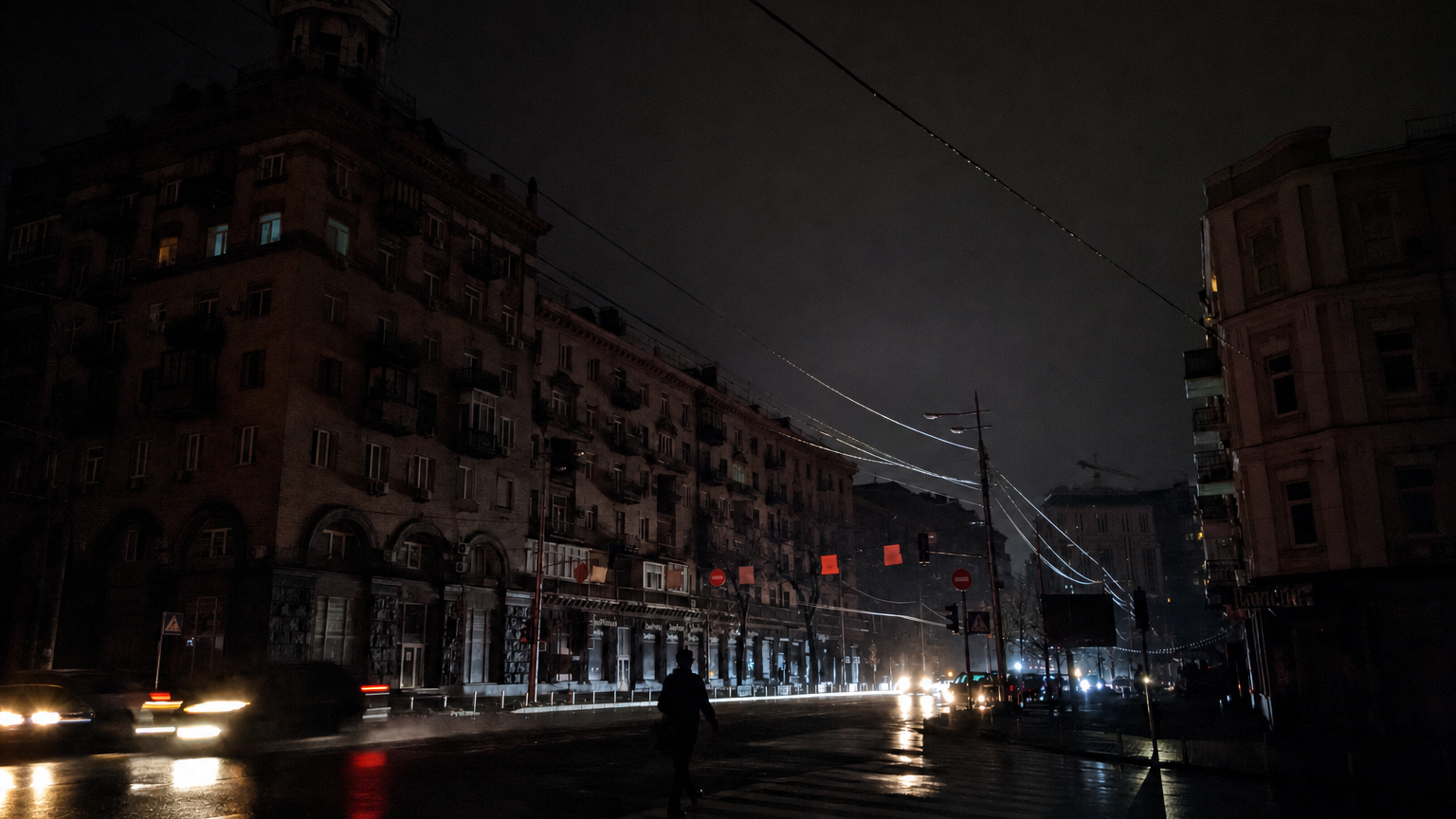
Olena Konoplia spent weeks searching for a suitable location before choosing a cottage in a rural community two hours outside Kyiv, according to the BBC News report “Watch: Fleeing Kyiv for the countryside ahead of winter”. She selected the village because it lacked factories, warehouses or railway stations that could draw Russian attacks on the power grid. “I decided the better option will be a little village without any factories, any warehouses and any railway stations,” Konoplia said. After several nights there she reported sleeping better without explosions or air-raid sirens. The relocation reflects growing concerns over another winter of prolonged sub-zero temperatures and electricity shortages.
A September survey by the Gradus research company found that 40 percent of Ukrainians were considering relocating if living conditions continued to deteriorate, company founder Evgeniya Blyznyuk told BBC News. The combination of security threats, power cuts and stress is influencing decisions for many families with children. Last winter frequent blackouts left parts of the capital without heating for extended periods.
The Wall Street Journal reported that during the previous winter relentless Russian bombing prompted hundreds of thousands of Kyiv residents to head for villages, with Mayor Vitali Klitschko stating that more than 600,000 people had left the city based on cellphone data. Residents traded urban routines for rural tasks such as clearing snow and sharing alerts in village chat groups. Similar movements are resurfacing as Russian strikes on energy facilities resume ahead of colder months.
Ukraine’s Energy Ministry data places current generation capacity at around 17.6 gigawatts, less than half the pre-war level, a Radio Free Europe assessment found. Russian attacks have destroyed significant non-nuclear capacity with some sites struck more than 40 times. The National Bank of Ukraine projects that approximately 400,000 people could leave the country by the end of this year with another 300,000 expected in 2025 due to the energy crisis.
The United Nations Office for the Coordination of Humanitarian Affairs has warned that the intensified attacks on energy networks undermine efforts to maintain warmth in homes, schools and health centres. Border monitoring data collected by UNHCR and partners showed nearly half of recent departures were motivated by power outages. Many relocating to rural areas are preparing with firewood, gas heaters and high-speed internet to maintain remote work.