ع
ع


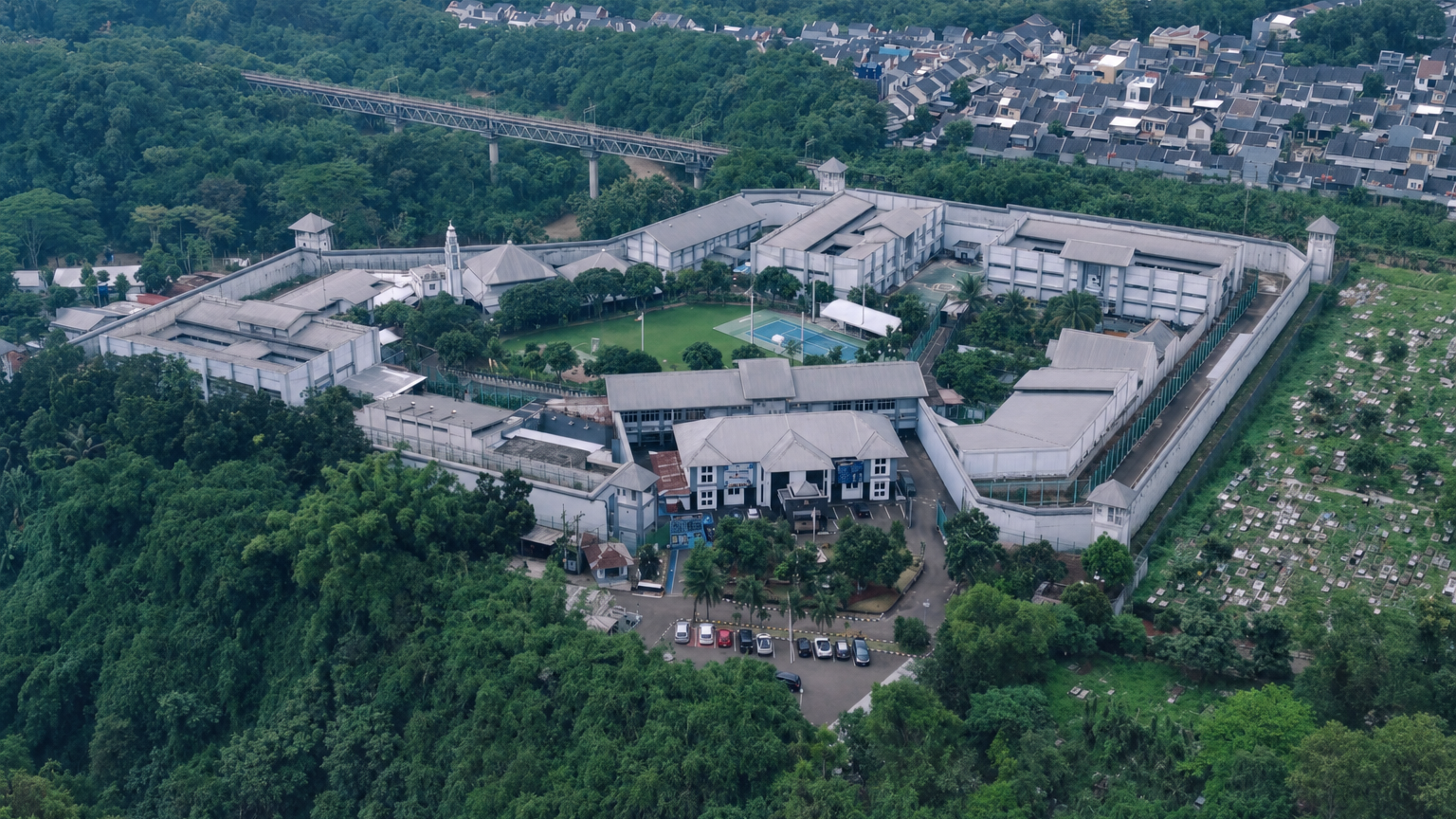
Indonesia’s Ombudsman discovered a cluster of luxury residential units at Cibinong Class IIA Prison in Bogor, West Java, during an unannounced visit on Sept. 23 that has triggered disciplinary action against prison leadership. The inspection team, led by member Syafrida R Rasahan, located more than 10 buildings resembling homestays, terraced houses and villas behind the warden’s official residence, some equipped with sofas, televisions, refrigerators containing alcoholic beverages and dining tables. One inmate encountered inside acknowledged making regular payments to stay in the accommodation, though the exact amounts and recipients remain under investigation according to the Ombudsman.
The facilities extended beyond housing to include a gym, a swimming pool, parking areas with luxury vehicles such as Toyota Alphard and Fortuner models, and a golf simulator under construction, Ombudsman member Fikri Yasin reported at a subsequent news conference. Investigators have since coordinated with the National Police Traffic Corps to determine vehicle ownership and any connections to current inmates at the high-security facility. The Ombudsman has urged the Ministry of Immigration and Corrections to launch a full evaluation of potential irregularities across the complex.
Payments for access to the residences appeared systematic, with separate accounts from inmates and visitors indicating weekly fees around 150,000 to 160,000 rupiah, according to details released by the Ombudsman. Syafrida stated that interviews confirmed the units were being commercialised, prompting further scrutiny into how such arrangements operated within a state correctional institution. The watchdog received additional complaints from inmates’ families about alleged illegal levies imposed on a weekly basis.
The corrections ministry responded by suspending five senior officials at the prison on Sept. 26, including the warden, the head of penitentiary security, the head of inmate education and guidance, and the heads of security and order and general affairs units, Inspector General Rudi Setiawan announced. Ministry officials initially described the buildings as intended staff residences, some of which were not properly registered in government asset records, and have questioned 52 inmates while scheduling reviews of 54 staff members. West Java corrections directorate head Yudi Suseno added that any misuse would result in appropriate sanctions following the ongoing internal investigation.
The episode echoes a prominent 2018 scandal at Sukamiskin prison in West Java, where the Corruption Eradication Commission found that inmates paid between 200 million and 500 million rupiah for upgraded cells featuring air conditioning, televisions, refrigerators and private bathrooms, according to KPK records from that operation. Similar cases have surfaced over the years at facilities including Cipinang prison, where narcotics convicts were found with laptops, multiple mobile phones, WiFi and even an arowana fish aquarium, a former head of the National Narcotics Board reported at the time. Anti-corruption groups have repeatedly highlighted how such privileges undermine equal treatment and prison oversight nationwide.
The Indonesian Anti-Corruption Society, known as MAKI, released a list of high-profile inmates allegedly using comparable luxury accommodations at Cibinong, including former police general Ferdy Sambo, tin mining case convict Harvey Moeis and several corruption convicts from cases involving Jiwasraya and Asabri, according to the group’s compilation shared with local media. Indonesia Corruption Watch has called on the KPK to trace any financial transactions or abuse of authority linked to the facilities, researcher Wana Alamsyah stated in response to the Ombudsman’s findings. The prison, which holds a mix of white-collar criminals and other offenders, has faced prior allegations of uneven enforcement of regulations.
Ombudsman officials noted that the luxury cluster lacked secure perimeter fencing and was situated near village access points, raising additional security concerns during their inspection, Syafrida reported. The ministry has committed to clarifying the administrative status of all structures and ensuring accountability for any violations uncovered. Parliamentary hearings on the matter continued into late September as calls for transparency intensified across oversight bodies.