ع



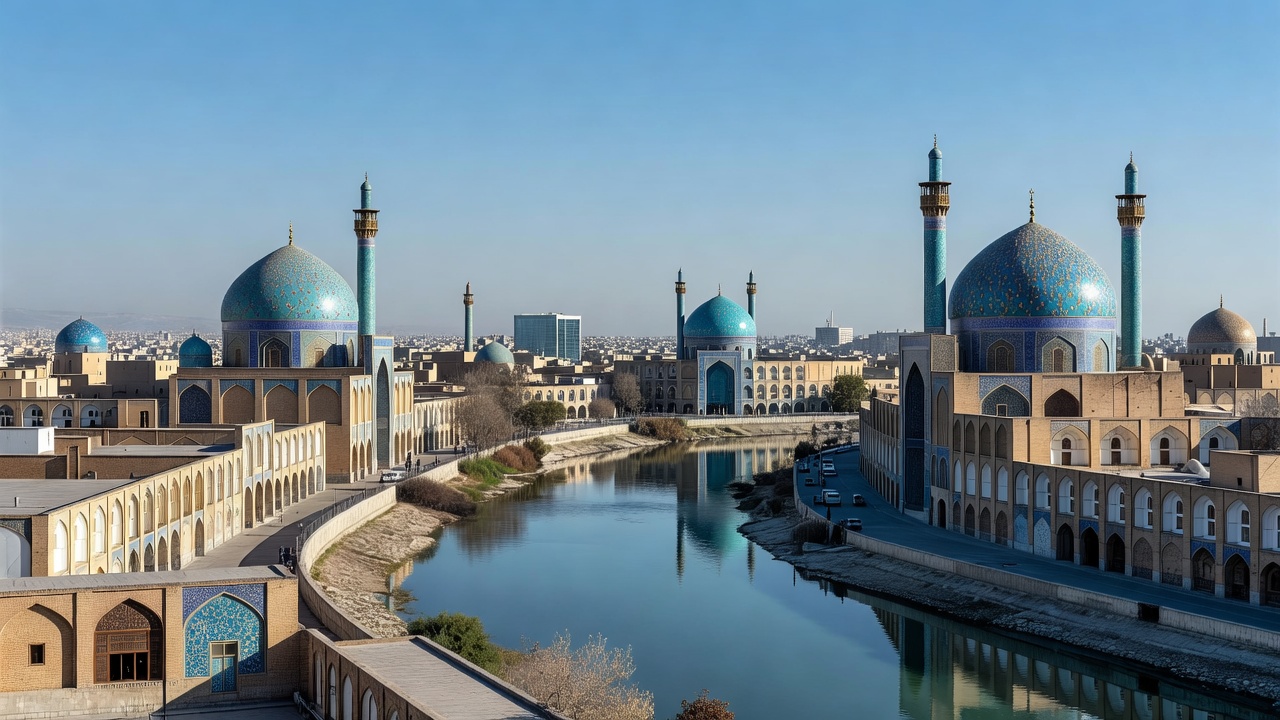
The International Atomic Energy Agency is increasingly concerned about a uranium enrichment plant at Isfahan that Iran declared in June 2025 but has not permitted the agency to inspect or review design information for, according to a confidential report circulated to member states on Friday. The agency does not know the Isfahan Fuel Enrichment Plant’s exact location, its safeguards status or whether nuclear material is present at the site, the IAEA document seen by Reuters stated. The watchdog had scheduled an initial visit for June 13 2025, the day strikes began that made the inspection impossible, it added.
IAEA Director General Rafael Grossi previously indicated that a significant amount of Iran’s highly enriched uranium could be located in a tunnel complex at Isfahan, an assessment he shared in March. The latest report reiterates that the lack of information on Iran’s nuclear material and facilities constitutes a serious proliferation concern that requires urgent rectification, according to the agency. No reconstruction or repair work has been identified at sites damaged during the 2025 and early 2026 military actions, IAEA remote monitoring has determined.
Iran informed the IAEA this month that discussions on resuming nuclear monitoring cannot proceed while the country faces ongoing military threats, a confidential update reviewed by the Associated Press showed. Tehran has cited persistent public statements from the United States threatening further strikes on its nuclear infrastructure as the core obstacle, the correspondence indicated. The country nevertheless reaffirmed its readiness to restore full safeguards cooperation once conditions permit, according to the latest IAEA assessment.
The agency has been unable to verify the status of Iran’s declared nuclear inventory for more than a year, including a pre-strike stockpile of 440.9 kilograms of uranium enriched to 60 percent, Grossi told the IAEA Board of Governors in September. That amount, if further enriched, could yield material for roughly 10 nuclear weapons by standard IAEA metrics, a Reuters compilation of the agency’s data found. The watchdog referred Iran to the United Nations Security Council for non-compliance in September 2026 for the first time in two decades, board records show.
Grossi urged Iran to cooperate without further delay during an October briefing to the Security Council. “I invite Iran to work with the IAEA without any further delay to clarify outstanding safeguards questions and to give the IAEA the information and access the Agency requires so that it can verify all relevant facilities and material, as is Iran’s legal obligation,” he stated. The IAEA has maintained access only to the Bushehr power plant since the conflicts began while continuing remote observation of other declared locations, agency updates have specified.
Western members of the IAEA board backed the resolution citing Iran’s breaches while China, Russia and Niger voted against it, diplomatic accounts from the meeting confirmed. Iran described the referral as exploiting disruptions caused by the strikes themselves, according to statements from its deputy foreign minister at the time. The agency stands prepared to resume comprehensive verification activities promptly once granted the necessary permissions, its latest report emphasised.