ع
ع


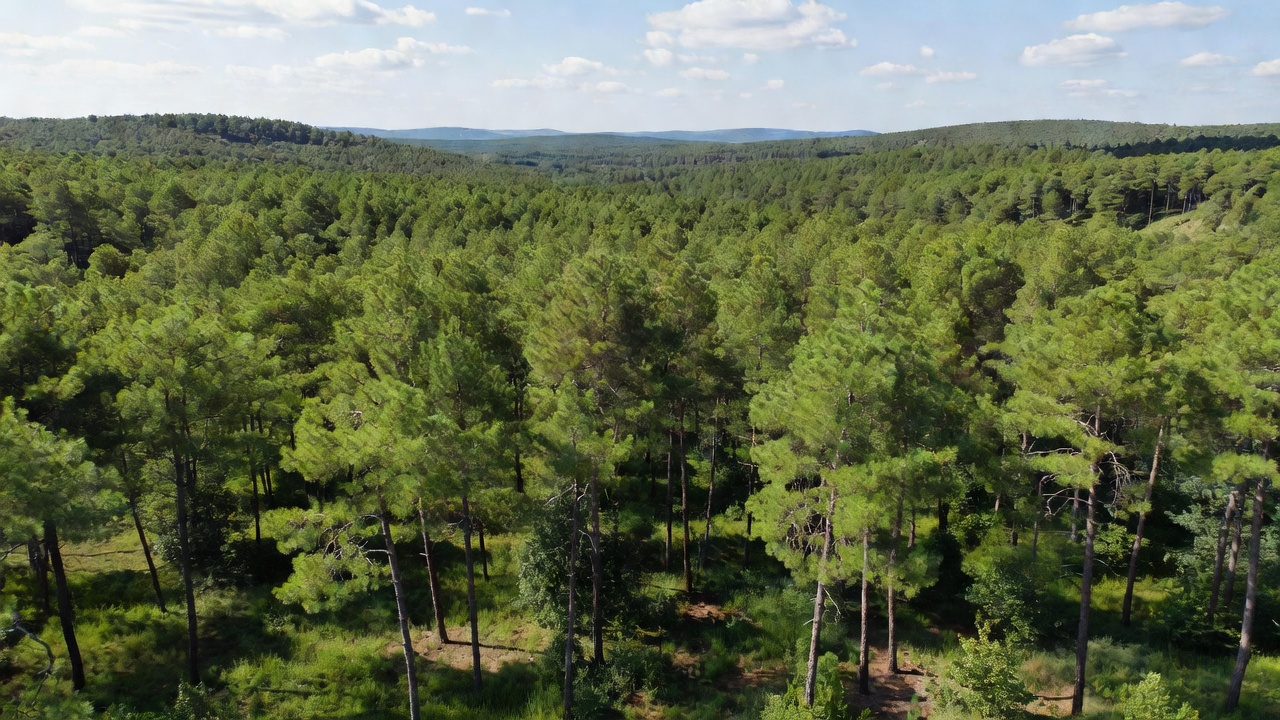
More than 300,000 people fled their homes in south-western France and central Spain as wildfires intensified over the weekend, with French authorities ordering an additional 55,000 evacuations late on July 25 that brought the country’s total to around 250,000 in the Gironde and Landes regions while Spanish officials reported nearly 60,000 evacuated from areas near Madrid and Ávila plus further orders for municipalities near Toledo. One man in his 70s died in a fire in the Salt de l’Aigua ravine in Manises near Valencia, where he was found in his car, according to local authorities in València. The Spanish interior ministry placed the number of people still confined to their homes at more than 28,000 as of Saturday evening.
Firefighter Captain Nicolas Braz told AFP that one blaze in France had created its own winds complete with whirlwinds making it erratic and unmanageable as conditions pointed to another difficult night. Spanish Interior Minister Fernando Grande-Marlaska told reporters on July 25 that officials had grown more pessimistic than the day before because weather conditions had not helped at all and wind gusts were expected to push the fire south. The minister described the night ahead as not going to be very positive or very friendly to responders while Prime Minister Pedro Sánchez admitted complex times lay ahead.
President Emmanuel Macron stated that France would rebuild and his government would be there for as long as needed after mobilising the military to clear brush and create fire breaks alongside reinforcements sent to assist overwhelmed crews. In an interview with the BBC Spencer Randall a tourist who fled near Bordeaux with his family said it was quite strong winds fanning the flames just terrifying after they relocated 100 miles east yet could still smell the wildfires. A British couple holidaying in the area told BBC Newsbeat they first noticed smoke shortly after seven o’clock on Friday thinking someone was having a barbecue before ash covered their pool and turned their feet black while the smoke really hits your lungs right away.
French Interior Minister Laurent Nunez reported that 98,000 hectares have burned across the country since the beginning of 2026 as around 30 fires raged in what the government called a totally unprecedented situation that led Macron to convene an emergency meeting with ministers. Organisers shortened the final leg of the Tour de France from 133 kilometres to 89 kilometres so security forces could redeploy to fire zones according to police and event officials. Madrid’s regional president Isabel Díaz Ayuso described the situation as the worst fire in the history of the region.
Sánchez said 130,000 hectares of land had burned in Spain so far this year exceeding the annual average of 100,000 hectares for the country over the last decade. Joint Research Centre figures from the European Forest Fire Information System show 254,388 hectares burned across the EU since the start of 2026 which stands above the long-term average although slightly below the same period in 2025. EU crisis management commissioner Hadja Lahbib told the BBC that last year one million hectares burned during the summer and forecasters are predicting unfortunately another heatwave so we can expect other wildfires while warning that the damage this year is likely to surpass previous records.
France activated the EU civil protection mechanism and will receive three Canadair planes from Croatia two Air Tractors from Portugal Black Hawk helicopters from the Czech Republic and Slovakia plus 40 Romanian forest firefighters according to EU officials. EU Commission President Ursula von der Leyen said 11 planes and helicopters from the EU firefighting fleet have been sent to France and Spain. Similar outbreaks included more than 350 fires on Sicily that prompted evacuations and a prolonged blaze in Scotland’s Cairngorms National Park that led to a major incident declaration on July 25.