ع
ع


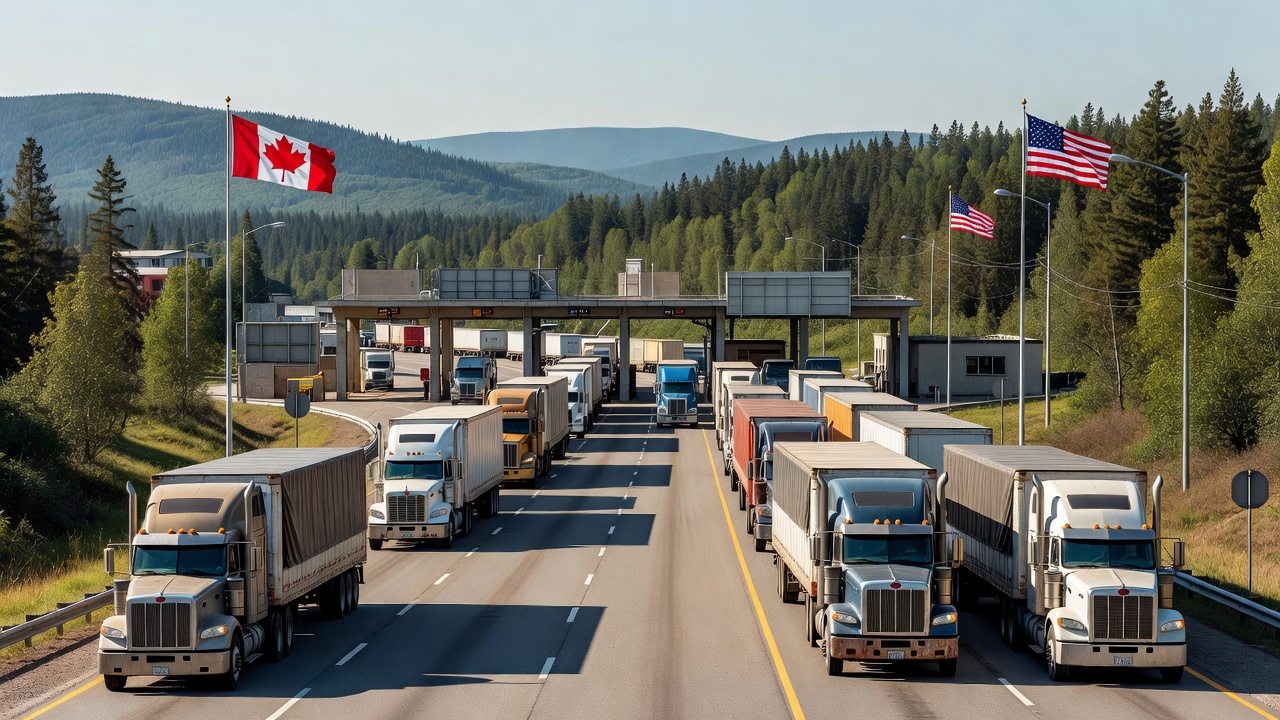
Canadian Prime Minister Mark Carney announced the suspension of trade negotiations with the United States on August 21 and directed negotiators to return to Ottawa after determining that the latest US proposals failed to meet Canadian objectives, according to his statement. Carney described the changes as unfair, uneconomic and a challenge to the reliability of any agreement while noting that important progress had been made earlier in the week. US Trade Representative Jamieson Greer responded that Canada had introduced new demands and retreated from prior commitments, upsetting a balance reached in recent days, Greer said in a statement distributed on X. The exchange marked an abrupt shift after both sides had expressed optimism about finalizing terms that would ease existing duties.
New 50 percent US tariffs took effect at midnight on August 22 under the Tariff Act of 1930, targeting Canadian wine, dairy, cement, clothing and hockey equipment in addition to longstanding duties on steel, aluminum, autos and lumber, according to announcements from both governments. The measures apply to roughly $20 billion in imports and extend regardless of compliance with the US-Mexico-Canada Agreement for the listed categories. Canadian officials had sought reductions from 50 percent to 25 percent on metals and from 25 percent to 15 percent on vehicles while offering concessions on provincial alcohol sales, reports from Reuters and other outlets indicated. The collapse leaves businesses on both sides facing heightened costs and disrupted supply chains.
Bilateral goods trade between the United States and Canada reached an estimated $719.5 billion in 2025 with a US goods deficit of $46.4 billion, United States Trade Representative data shows. A Center for Strategic and International Studies review found that tariffs imposed since President Donald Trump returned to office in January 2025 have already cut Canada’s share of US imports from 12.6 percent in 2024 to 11.2 percent while pressuring sectors where Canada supplies more than half of American aluminum. The Financial Accountability Office of Ontario projected that further escalation would slow provincial real GDP growth to 0.6 percent in 2025 and result in more than 119,000 fewer jobs by 2026 compared with baseline forecasts.
Ontario Premier Doug Ford declared full support for the prime minister’s position of tariff for tariff and dollar for dollar immediately after Carney’s announcement. The US Chamber of Commerce had warned days earlier that higher tariffs would damage both economies, raise costs for families, disrupt supply chains and jeopardize 13 million American jobs dependent on USMCA trade, the organization said in a statement. An Abacus Data poll conducted ahead of the breakdown showed 36 percent of Canadians favoring retaliation against the duties while 30 percent preferred that the government continue negotiating.
Greer had told reporters the previous week that the United States would not tolerate counter-tariffs and would take action in response, according to his remarks. The dispute builds on more than a year of intermittent talks in which the US pressed for greater dairy market access, removal of retaliatory auto tariffs and lifting of provincial bans on American alcohol that several Canadian regions enacted last year. A Yale University Budget Lab analysis estimated that the accumulating tariffs could reduce typical household purchasing power by about $1,200 annually across the border while contributing to broader stock market volatility observed earlier in the trade tensions.
Canada has intensified efforts to diversify trade partners in response to the sustained pressure, Prime Minister Carney noted in preceding statements to reporters carried by Al Jazeera and BBC. The latest breakdown occurs as both countries prepare for a scheduled USMCA review that a Center for Strategic and International Studies assessment warned could face complications if cooperation continues to erode. Officials on both sides have yet to indicate when or whether negotiations might resume following the current impasse.