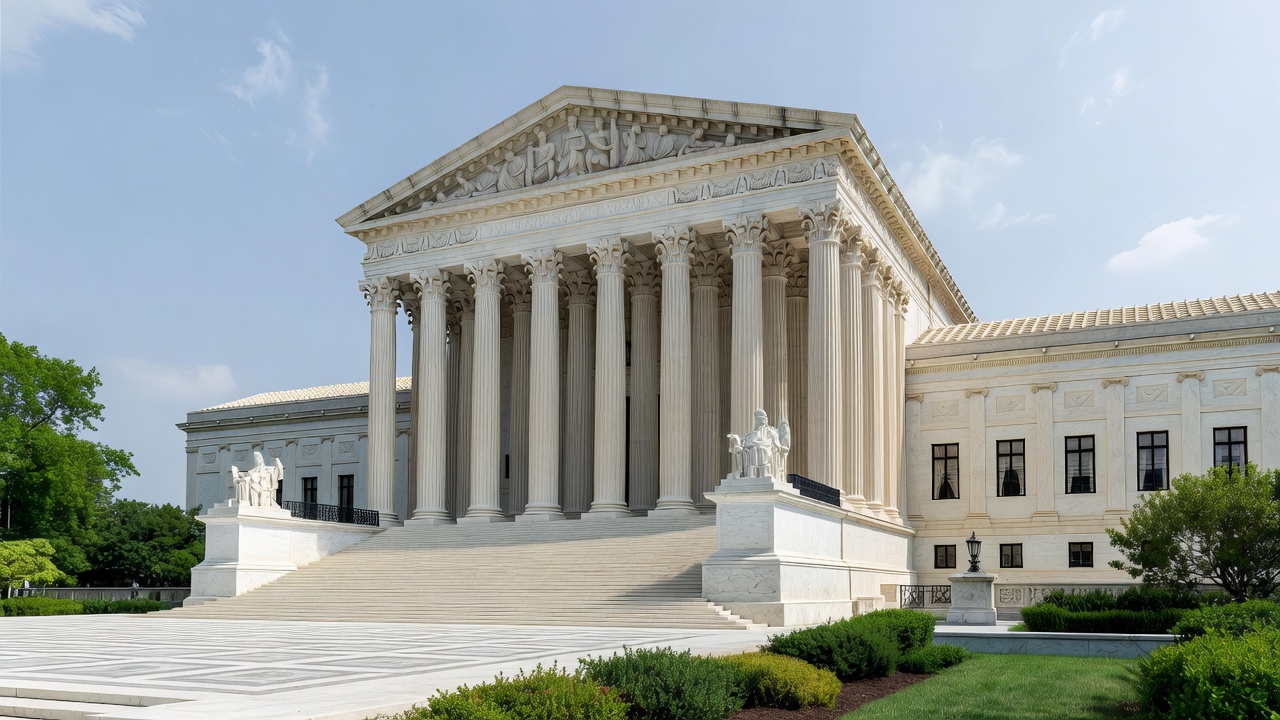
The US Supreme Court on June 25 2026 allowed the Trump administration to end Temporary Protected Status for approximately 350000 Haitians and 5000 Syrians ruling 6-3 that the homeland security secretary’s termination decisions cannot be reviewed by federal courts. The action overturned injunctions from lower courts in Washington and New York that had blocked the moves. This decision Supreme Court allows Trump to end protected status for Haitian and Syrian immigrants as described across legal coverage from SCOTUSblog and the American Immigration Council.
The Supreme Court opinion in Mullin v. Doe found that the TPS statute bars consideration of most challenges to the terminations according to the written assessment by Justice Samuel Alito. The court also concluded that the Haitian plaintiffs were unlikely to prove their claim of racial discrimination violating the Fifth Amendment’s equal protection guarantee. SCOTUSblog reported the ruling paused the lower court orders and aligned with the administration’s position that judicial oversight is limited under the immigration law.
Temporary Protected Status permits beneficiaries to remain and work legally in the United States when their home countries face unsafe conditions such as armed conflict or environmental disaster USCIS documentation states. Haiti first received the TPS designation after the 2010 earthquake that killed more than 200000 people with repeated extensions tied to ongoing instability and natural disasters according to USCIS historical notices. Syria’s designation began in 2012 as civil war engulfed the country displacing millions and creating widespread dangers that prevented safe returns per the same agency records.
An American Immigration Council analysis placed the number of affected TPS holders at more than 350000 with the overwhelming majority from Haiti where the program has shielded long-term residents who have built lives and families in the United States. The council noted that loss of status will eliminate work authorization and expose individuals to removal proceedings once the terminations take effect. USCIS alerts confirm Haiti’s TPS was scheduled to end on February 3 2026 before lower courts intervened while a parallel notice covered Syria.
In the majority opinion Justice Alito wrote that the governing law clearly prevents courts from reviewing the government’s country-specific determinations on TPS. The 6-3 vote followed ideological lines with the three liberal justices in dissent though their specific reasoning was not detailed in initial summaries from SCOTUSblog. The decision is expected to influence reviews of TPS designations for other countries facing similar termination proposals according to immigration policy observers.
A related 6-3 ruling issued the same day and also authored by Alito endorsed a policy that bars asylum applications by migrants stopped at the US-Mexico border before physical entry into the country the American Immigration Council reported. That policy originated in the final weeks of the Obama administration was later rescinded under President Biden and can now be revived. The pair of decisions delivered major immigration wins to the Trump administration on the final day of the court’s term.
USCIS had published formal termination notices for both countries in 2025 citing improved conditions that it said no longer warranted the protections. The agency has advised beneficiaries to explore other immigration pathways though options for many who have resided in the United States for more than a decade remain narrow. The Supreme Court action returns the focus to the executive branch’s authority to manage these humanitarian programs without routine judicial second-guessing.