





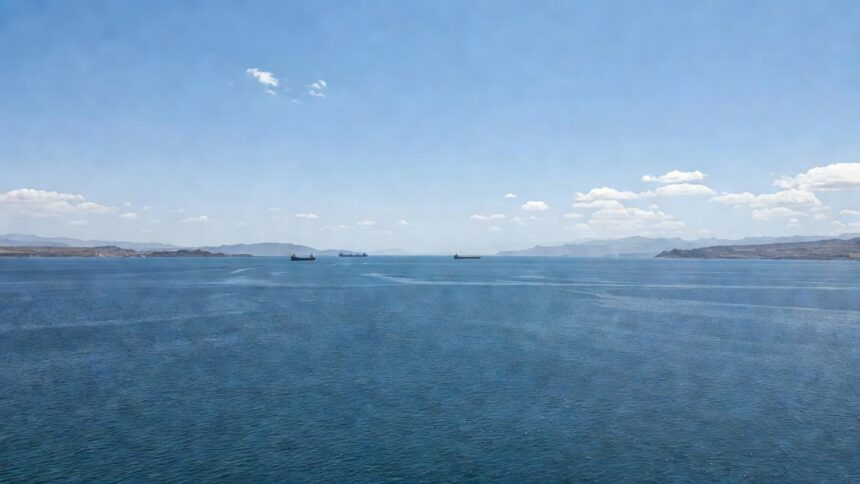
Only 279 ships transited the Strait of Hormuz between Feb. 28 and April 12 as a regional conflict triggered a more than 95 percent drop in maritime traffic from a pre-war daily average of about 100 vessels, Al Jazeera reported on April 14, 2026. Of those transits, 22 ships came under attack in waters of surrounding nations, according to ship-tracking data from Kpler that the outlet compiled. The conflict began on Feb. 28, 2026, with a U.S. blockade imposed on April 7 before a ceasefire took effect the following day, cutting global oil and gas supply by 20 percent and pushing oil prices up 50 percent.
The Al Jazeera compilation of Kpler ship-tracking data placed eight of the attacks in UAE waters, six in Omani waters, two each in Iraqi and Qatari waters, and one each in Bahraini, Kuwaiti, Saudi and Iranian waters. A Thai bulk carrier named Mayuree Naree was among vessels hit on March 11 during the period of heightened tensions. Ship traffic stood at well below 10 percent of normal volumes even after the ceasefire, a Reuters report on April 9 noted, with just seven ships passing in a single 24-hour period against a typical 140.
U.S. Energy Information Administration figures show the strait carried an average of 20.9 million barrels per day of petroleum liquids in the first half of 2025, equivalent to about 20 percent of global consumption and one-quarter of seaborne traded oil. The EIA data places crude oil and condensate at 14.7 million barrels per day during that period, with petroleum products making up the balance of 6.1 million barrels per day. A UNCTAD assessment found the waterway accounts for around a quarter of global seaborne oil trade along with significant volumes of liquefied natural gas and fertilizers.
Following the April 8 ceasefire, only 45 ships had entered or exited the strait by April 12, the Al Jazeera report stated. Three tankers transited on April 14 via a new route through Iranian territorial waters, according to the outlet. An IRGC adviser named Ebrahim Jabari had announced on March 2 that vessels should use channels north of Larak Island and south of the island to avoid mine risks.
The International Monetary Fund data indicates more than 30,000 vessels typically pass through the Strait of Hormuz each year, with daily oil transport surpassing 20 million barrels in 2022 and representing 20 percent of global oil production. Recent IMF tracking showed daily transit calls falling to near zero in the wake of the February conflict onset. A separate Argus Media report from late March documented only two to five vessels crossing daily with transponders active, including dry bulk carriers and a VLGC tanker.
Lloyd’s List Intelligence and Signal Ocean data cited by Reuters confirmed hundreds of tankers and other ships remained stuck inside the Gulf since late February, marking the world’s biggest-ever oil supply disruption. The U.S. Naval Institute noted commercial transits reached their lowest levels since the opening days of the U.S.-Iran conflict, with some days recording no transits at all in late April. MarineTraffic information similarly illustrated a sharp fall in vessel movements around the chokepoint.