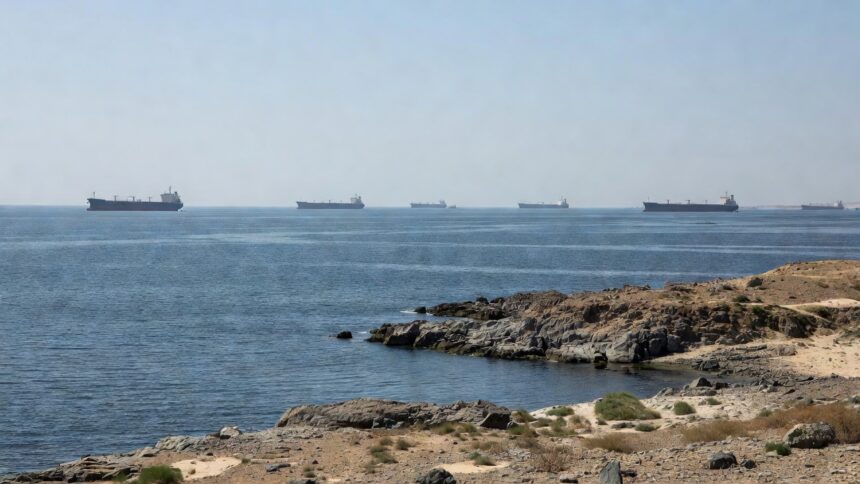
Iran signalled on April 20, 2026, that it would not dispatch negotiators to Islamabad for planned multi-day talks with the United States, undermining Pakistan’s mediation to extend a fragile ceasefire due to expire two days later. Foreign Ministry spokesman Esmaeil Baghaei cited US violations including a naval blockade of the Strait of Hormuz imposed on April 13 and the overnight seizure of an Iranian cargo ship as key breaches of the truce agreed on April 8. Pakistani officials nevertheless indicated they would continue efforts to revive the process, which aims to produce a memorandum of understanding providing up to 60 days for broader negotiations on nuclear issues and regional security.
The Iranian Ministry of Foreign Affairs had informed Pakistan of its position after reviewing recent developments, according to statements carried by state news agency IRNA. Baghaei warned that any renewed US or Israeli aggression would meet a response in kind while reaffirming Tehran’s 10-point proposal submitted before the initial round of talks. “The US is not learning its lessons from experience, and this will never lead to good results,” he said. Iran’s ambassador to Pakistan, Reza Amiri Moghadam, separately highlighted the ongoing blockade as incompatible with genuine peace efforts.
Pakistan had prepared extensively to host the second round at venues including the Serena and Marriott hotels in Islamabad’s Red Zone, with additional security forces deployed and roads sealed off in the days prior. Prime Minister Shehbaz Sharif held a 45-minute telephone conversation with Iranian President Masoud Pezeshkian on April 19, briefing him on recent engagements with leaders in Saudi Arabia, Qatar and Turkiye that Sharif described as supportive of sustained dialogue. Sources close to the mediation told Al Jazeera that unlike the single-day first round on April 11, this session was envisioned as continuous until a limited understanding could be reached.
US President Donald Trump stated on April 19 that American representatives would travel to Pakistan, initially listing Vice President JD Vance alongside Special Envoy Steve Witkoff and Jared Kushner, though later updates left Vance’s attendance uncertain for security reasons. Trump accompanied the announcement with renewed warnings against Iran, referencing Iranian vessels firing on ships in the Strait of Hormuz and alleging violations of the ceasefire. The US Navy’s guided-missile destroyer USS Spruance seized the Iranian-flagged vessel Touska in the Gulf of Oman after its crew ignored warnings, an action Tehran labelled as piracy.
The April 11 talks in Islamabad represented the first direct high-level engagement between US and Iranian delegations since 1979, according to an analysis published by the Al Jazeera Centre for Studies. That initial session, hosted by Pakistan after it helped broker the two-week ceasefire, produced no final agreement but allowed both sides to outline positions on Iran’s nuclear programme, ballistic missiles and freedom of navigation in the Strait of Hormuz. According to a Wikipedia compilation of events in the 2026 Iran war, the waterway carries approximately one-fifth of global seaborne petroleum trade, and disruptions had already affected international energy markets prior to the truce.
Analysts observing the process described a deliberate gap between public statements and private signalling from Tehran. Seyed Mojtaba Jalalzadeh, an international relations analyst based in Tehran, told Al Jazeera that Iran’s public hardline posture preserved domestic legitimacy while its dispatch of a delegation would have tested conditions for compromise. Fahd Humayun, assistant professor of political science at Tufts University, agreed in remarks to the same outlet that such divergences are typical and that negotiators would likely resume from where the first round concluded rather than dwell on intervening rhetoric. Both suggested a ceasefire extension would constitute a meaningful short-term result given the complexity of issues accumulated over decades.
Iranian parliamentary speaker Mohammad Bagher Ghalibaf, who led Tehran’s team in the first round, stated on April 19 that significant gaps persisted on fundamental points. Deputy Foreign Minister Saeed Khatibzadeh, speaking at a forum in Turkiye, noted that while some progress had occurred, US demands on the nuclear file remained maximalist. Pakistani Foreign Minister Ishaq Dar and his Iranian counterpart Abbas Araghchi discussed the need for continued engagement in a phone call on April 19, according to Pakistan’s Foreign Ministry, even as prospects for immediate talks appeared dim.