ع
ع


Peruvian police reported that the Cessna Caravan C-208 went down in a field roughly six kilometers from the city of Nazca in the southern Ica region around 13:00 local time after departing from an airport in Pisco. The 11 passengers comprised seven Italians, two Germans and two Spaniards while the two pilots were Peruvian, according to the country’s state news agency and local authorities. Police Major Jorge Andrade stated that given the severity of the accident there were no survivors and that four bodies had been recovered so far.
The Nazca municipal government posted a statement on Facebook expressing deep sorrow for the accident and extending heartfelt condolences to the families of the deceased, the Associated Press reported. The aircraft belonged to local airline Aerodiana, which said in a statement that it would assess its flight schedule in accordance with the directives of the relevant authorities. Firefighters sprayed water on the smoldering wreckage as smoke rose from the site, video distributed by Reuters showed.
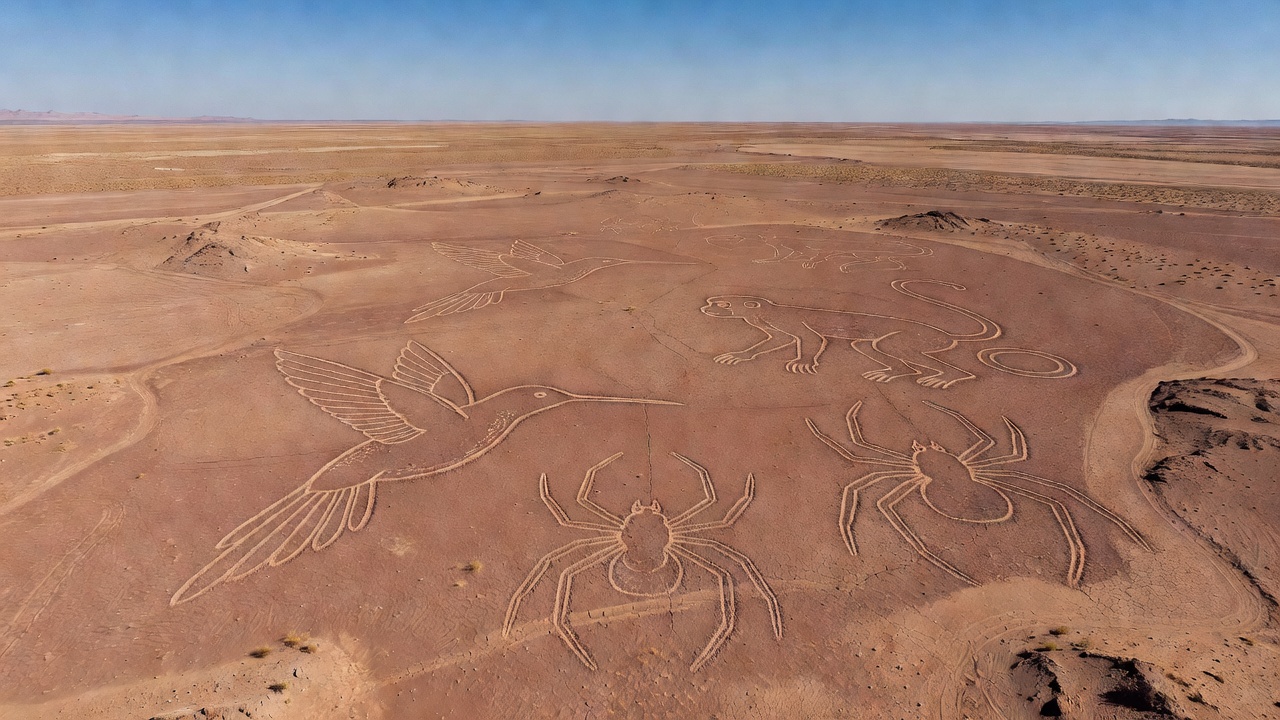
The flight was one of the popular tourist excursions that take visitors over the Nazca Lines, a group of ancient geoglyphs etched into the desert by the Nazca culture some 1,600 years ago that can only be fully appreciated from the air. Such trips typically last 30 to 35 minutes and cost between 85 and 120 dollars per person when departing from Nazca, according to multiple travel operators that run the routes. The lines hold UNESCO World Heritage status and draw thousands of international visitors each year for the unique aerial perspective.
Saturday’s crash is the third fatal accident involving tourist planes over the Nazca Lines since 2010, when six people died in one incident, Peruvian officials said at the time. Another sightseeing flight crashed in 2022, killing seven people including five tourists and two crew members, according to contemporaneous reports from local authorities. Following the 2010 accidents the Peruvian government grounded most of the small aircraft used for these tours and carried out safety inspections that cleared only a fraction of planes and operators to resume flying, aviation records show.
A review of past incidents by the Aviation Safety Network has documented multiple crashes in the Nazca area over the decades, including a period in the 1980s when dozens of tourist flights ended in disaster. Regional tourism operators continue to offer daily departures from both Pisco and Nazca airports when weather conditions allow, according to guides published by travel agencies active in the area. Peruvian investigators have not yet identified the cause of the latest crash and an official inquiry remains underway, authorities said.