ع



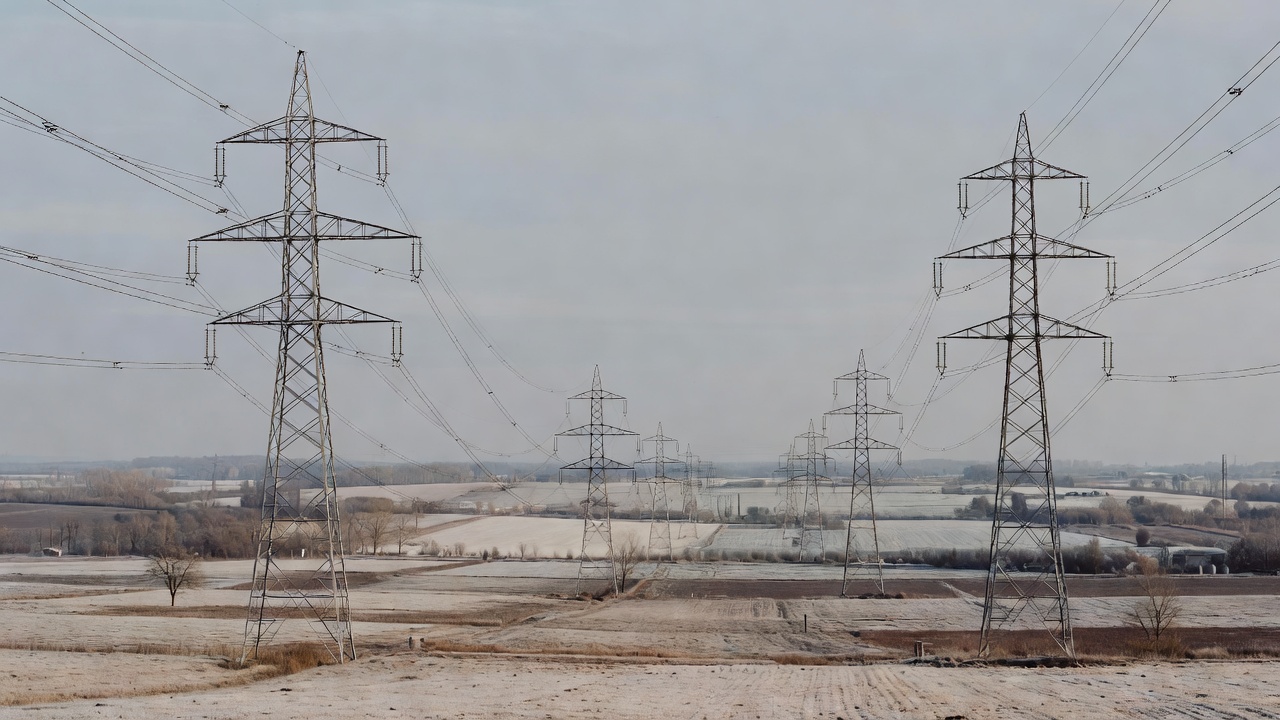
Russian forces struck energy infrastructure in at least eight Ukrainian regions overnight on November 10 2026 triggering widespread power outages as the country braces for winter the state grid operator Ukrenergo said. The assaults hit substations in areas including Kyiv Kharkiv Sumy Poltava Dnipropetrovsk Vinnytsia Cherkasy and Kirovohrad according to the operator’s update on Telegram. Prime Minister Sergiy Koretskyi added that five major electrical substations were damaged with two fatalities reported in Vinnytsia while civilian sites in Kirovohrad also came under fire. The latest wave forms part of a renewed Russian campaign against the power network that has intensified since late September.
Ukraine’s grid operator reported outages affecting homes in six regions including the capital and Dnipropetrovsk where emergency crews worked to restore supply amid ongoing risks. In Kryvyi Rih a separate drone strike left parts of the city without electricity water and heating with apartment buildings schools and kindergartens sustaining damage the head of the city’s defence council Oleksandr Vilkul stated. These disruptions compound challenges for a system already operating at reduced capacity as temperatures head toward freezing. The International Energy Agency’s pre-winter assessment released on November 4 warned that faster and more sophisticated Russian drones could lead to power shortages in the coming months despite Ukrainian efforts to bolster resilience through decentralised resources and protective measures.
The IEA report building on its prior analyses noted that Ukraine has added around 400 megawatts of small gas-fired generation and expanded energy storage since the previous winter yet equipment connections can take months and critical spares remain scarce. Available capacity has fallen sharply from pre-invasion levels of 32 gigawatts to about 12 gigawatts by early September according to government figures cited in sector reviews with more than 80 percent of generation capacity damaged or destroyed. Reconstruction needs for the energy sector approach 91 billion dollars over the next decade a joint assessment by the World Bank Ukrainian authorities the European Commission and United Nations found. Imports from Europe now synchronised with the continental network can supply up to 2.45 gigawatts but cannot fully offset the gap especially if further strikes occur.
Foreign Minister Andriy Sybiha urged the United States to accelerate deliveries of air-defence interceptors during talks with Secretary of State Marco Rubio on November 10 stressing the need to protect the battered energy grid while pursuing parallel diplomatic tracks. Sybiha told Reuters that Russian President Vladimir Putin aims to break Ukrainian spirit during the winter through deliberate targeting of civilian infrastructure a charge Moscow denies. Only four of 36 ballistic missiles were intercepted in one recent barrage with some North Korean-made projectiles hitting key facilities President Volodymyr Zelenskyy has stated in updates. The attacks have also affected nuclear power transmission with the Russian-controlled Zaporizhzhia plant losing external electricity multiple times this year marking its 27th such incident since the conflict began the International Atomic Energy Agency reported.
Since October 1 Russian strikes on energy assets have numbered at least 107 according to tallies by the Missile War Monitor with the pace accelerating to nearly six per day in early November. This has forced nuclear plants to curtail output when transmission lines fail and led to emergency power cuts lasting hours in major cities including Kyiv where water and heating systems have been impacted. Kyiv Mayor Vitali Klitschko and Zelenskyy have traded criticisms over preparedness for the heating season amid a long-running feud but both emphasise the scale of Russian operations. The energy ministry has counted more than 2 000 attacks on the sector since mid-July underscoring the sustained pressure on infrastructure now in its fifth winter of war.
US-brokered talks between Russian Ukrainian and American negotiators opened in Abu Dhabi on November 10 even as the strikes continued highlighting the tension between diplomatic efforts and active hostilities. Zelenskyy has described the energy situation in the capital region as the worst in the country calling for faster international support to front-load supplies and find additional quantities of defences. DTEK Ukraine’s largest private energy firm reported more than 600 000 people without electricity in Dnipropetrovsk after one overnight assault with repairs hampered by continued shelling. Officials continue to stabilise systems using generators where possible but warn that heating supply poses particular difficulties in affected apartment blocks and public buildings.