ع



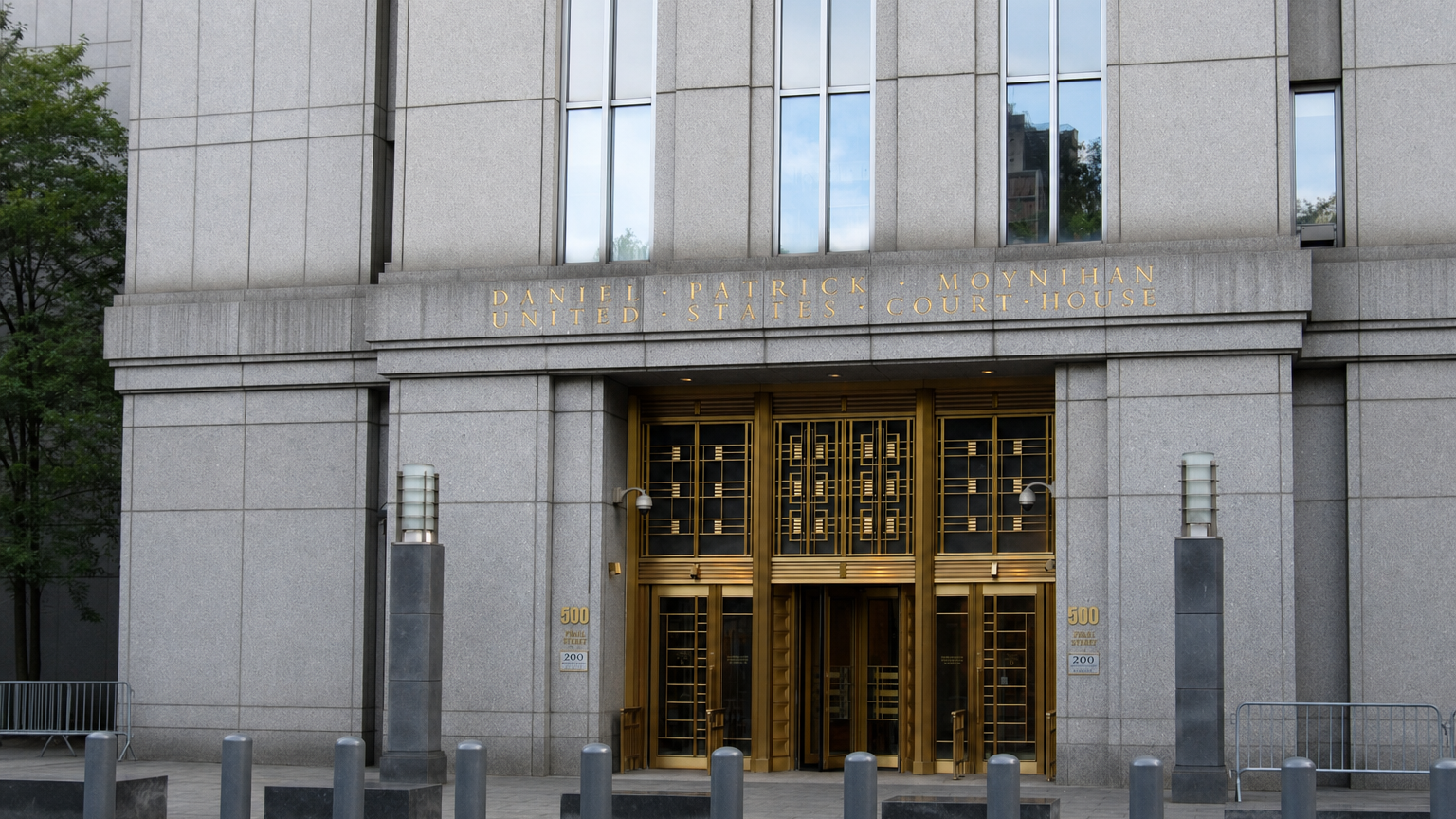
U.S. District Judge Jesse Furman concluded in a 55-page opinion that the July 2025 termination of Maurene Comey as an assistant U.S. attorney in the Southern District of New York was not authorized by statute and violated the Civil Service Reform Act along with separation of powers principles. The ruling rejected the Justice Department’s defense that Article II of the Constitution granted the attorney general unchecked authority to remove her, noting that such a position contradicted nearly two centuries of Supreme Court decisions that remain binding. Furman ordered retroactive reinstatement for purposes of benefits and required back pay from the termination date through December 20, 2025, when Comey began a new position as a partner at Patterson Belknap Webb and Tyler. The remedies also direct updates to her personnel records to show resignation rather than dismissal and restore retirement contributions for the intervening period.
Maurene Comey had spent a decade as a federal prosecutor handling some of the Justice Department’s most prominent matters, including the sex-trafficking prosecution of Ghislaine Maxwell and the racketeering case against Sean “Diddy” Combs that produced convictions on prostitution-related charges. Court filings reviewed by outlets such as CBS News and The Guardian described her performance as earning consistent top evaluations from supervisors throughout her tenure. She graduated from Harvard Law School before joining the Manhattan U.S. attorney’s office, where her portfolio also encompassed cases against Columbia University gynecologist Robert Hadden and former Treasury official Natalie Edwards. The abrupt nature of her removal without stated cause prompted immediate questions about its underlying motivations.
Comey filed suit against the Justice Department in September 2025, contending that her dismissal occurred solely or substantially because she is the daughter of former FBI Director James Comey or due to assumptions about her political beliefs. According to the complaint, the only explanation provided at the time referenced Article II of the Constitution and indicated the directive came from Washington. Her legal team, including attorneys Ellen Blain, Nicole Gueron, Deepa Vanamali and Margaret Donovan, issued a statement describing the court’s decision as a victory for civil servants and the rule of law that reaffirms constitutional checks and balances. Furman left one First Amendment retaliation claim for potential further briefing but signaled it might be moot given her transition to private practice.
In his opinion, Furman wrote that the administration’s theory of executive power would unsettle the equilibrium established by the nation’s constitutional system and that limits Congress placed on removal of inferior officers like assistant U.S. attorneys remain valid. A Congressional Research Service assessment of the Civil Service Reform Act explains that the 1978 law enables agencies to address poor performance and misconduct while barring actions based on improper reasons such as political retaliation or whistleblower activity. The statute requires notice, an opportunity to respond and appeal rights before an impartial adjudicator for covered career employees who have completed probation. Data compiled by the Merit Systems Protection Board indicate that terminations of such permanent federal workers for performance or conduct issues occur in fewer than 0.2 percent of cases annually after adjusting for probationary periods.
The Justice Department maintained in filings that then-Attorney General Pam Bondi made the initial decision and that acting Attorney General Todd Blanche later ratified it, yet Furman found neither action satisfied the statutory requirements. A department spokesperson stated that the administration disagrees with the ruling because it obstructs presidential constitutional authority over executive-branch personnel and that an appeal will follow in due course. The opinion specifically dismissed attempts to justify the firing through an implicit efficiency determination under the Civil Service Reform Act as bordering on frivolous. Multiple news organizations, including Politico and USA Today, reported that the case tests broader efforts to expand removal powers over career prosecutors following recent Supreme Court precedents on principal officers.
James Comey served as FBI director from 2013 until President Trump dismissed him in 2017 during the investigation into Russian interference in the 2016 election. Subsequent years saw the former director remain a public critic of the president, leading to additional legal actions against him that one federal judge dismissed on grounds that the appointed prosecutor lacked authority. Wikipedia entries and news summaries from Newsweek document that Maurene Comey, born in 1988 as the eldest of six siblings, continued her prosecutorial work through both the first Trump administration and the Biden years despite the family connection. The lawsuit highlighted online campaigns by Trump supporters calling for her removal, which her attorneys argued influenced the ultimate decision reached without any performance-based rationale.
Furman emphasized that while the attorney general holds statutory power to remove assistant U.S. attorneys, that authority operates only within the particular manner and for the certain reasons prescribed by Congress under the Civil Service Reform Act. The ruling aligns with forty years of consistent executive-branch practice that removals occur only for good cause and through agency procedures, as referenced in prior federal court decisions. Comey’s attorneys had argued that no legitimate explanation existed for the action beyond the familial tie and perceived political leanings. The decision stops short of forcing her physical return to the office but ensures she suffers no lasting professional harm from the unlawful termination.