ع



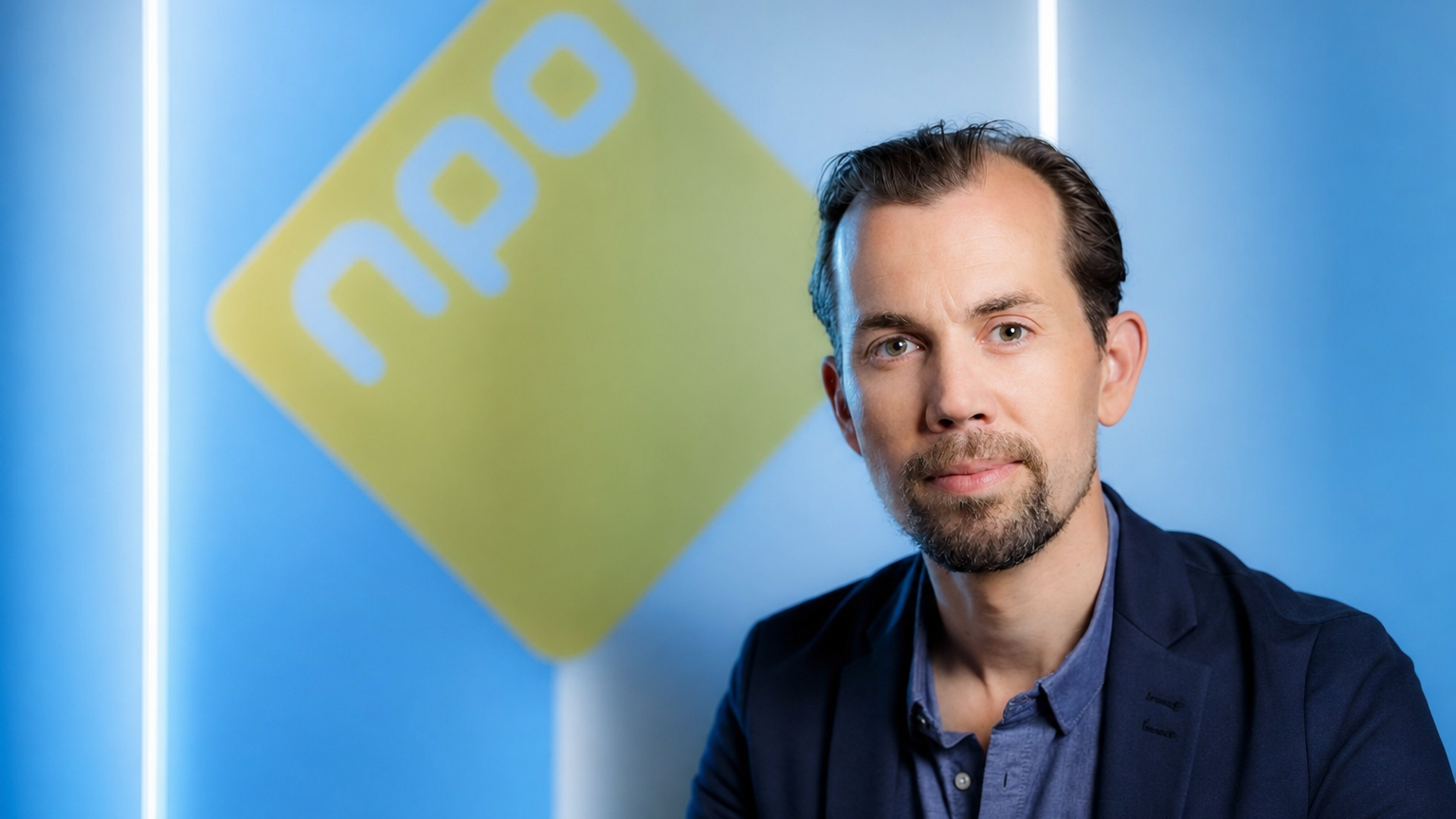
NPO’s media director Jurre Bosman said Israel’s participation elicits various reactions in society and causes discussion and division, prompting the organization to forgo participation in 2027 after consultation with the Board of Broadcasters. NPO chair Jet de Ranitz stated that the organization had held discussions with broadcasters about participating in 2027, initially feeling there was sufficient support to return. Unfortunately no suitable format emerged from those talks, leading the group to conclude it is currently too early to take part. Due to the sensitivities surrounding the themes currently at play, the broadcaster has decided to take a step back for the time being, according to a statement carried by the BBC and Reuters. The organization acknowledged that some Dutch fans may be disappointed while confirming the contest will still be aired in the Netherlands.
The reversal ends a rapid sequence of decisions that began when Avrotros, the broadcaster traditionally responsible for the Dutch entry, pulled out of the 2026 contest and said it would also skip 2027. A Reuters dispatch from September reported that NPO then stepped in to coordinate a return, separating the selection of the Dutch act from broadcast duties by assigning an independent panel of experts and leaving coverage to NOS. The European Broadcasting Union welcomed the move at the time, with its director Martin Green stating the body looked forward to working together to reinforce the contest as a place that truly reflects the spirit of United By Music. A Times of Israel report noted this positioned the Netherlands as the first of the 2026 boycotting countries to signal re-engagement.
Five nations including the Netherlands boycotted the 2026 edition in Vienna over Israel’s participation and its military offensive in Gaza, a conflict triggered by the Hamas-led attack on Israel on October 7, 2023, according to multiple accounts from Reuters and the Jerusalem Post. A ceasefire took effect in October 2025 but has not fully halted the violence, sustaining debate across Europe. Ireland has already confirmed it will maintain its boycott through 2027 while Spain, Slovenia and Iceland have yet to announce final positions, a Jerusalem Post overview indicated. The Dutch internal debate intensified with dozens of public complaints and a letter signed by around 400 NPO staff members urging withdrawal, the Jerusalem Post reported.
NPO had cited important steps by the European Broadcasting Union to address criticisms from the boycotting countries and enhance the contest’s unifying character when it announced the planned return last month. Those adjustments included new rules preventing a country in a geopolitical crisis from automatically hosting the following year if victorious, according to Ynet News coverage of the September statement. Belgium’s Dutch-language broadcaster VRT also signaled it would participate after earlier considering a boycott, The Times of Israel noted. NPO emphasized it would only send artists and staff with full support from participating broadcasters and chose not to compel another outlet such as NTR to organize the entry.
The 2027 contest is scheduled to take place on May 14 in Burgas, Bulgaria, following Bulgarian singer Dara’s win in the 2026 edition with the song Bangaranga, BBC reporting confirmed. Canada is preparing to enter the competition for the first time, further expanding its international scope. Despite the Dutch decision, NPO chair Jet de Ranitz underscored that the Eurovision Song Contest belongs on public television as one of the largest international cultural events centered on music, connection and diversity. The broadcaster continues to monitor developments around the event’s format and broader geopolitical context.