ع



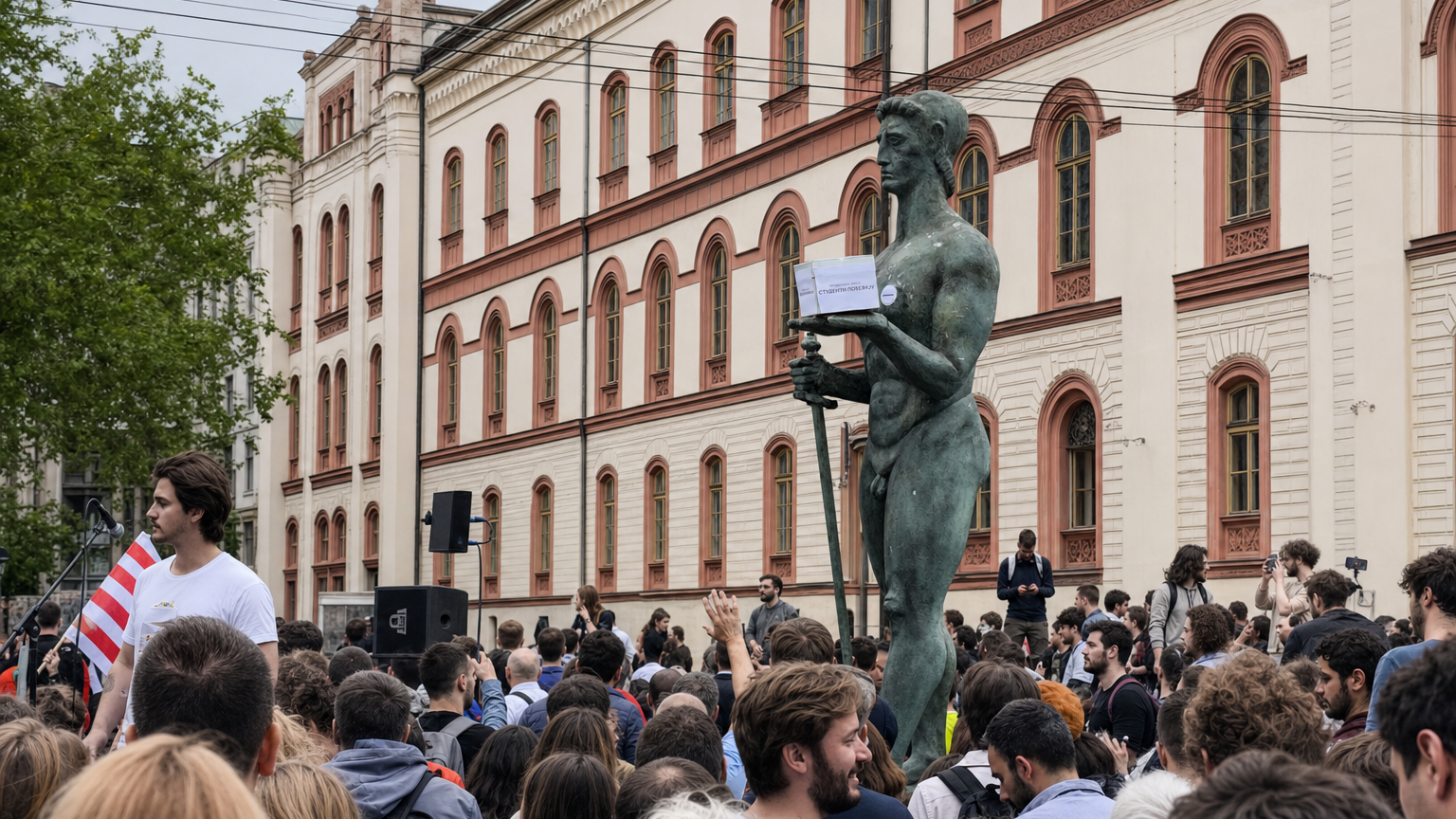
The Republic Electoral Commission reported that 46.54 percent of eligible voters had cast their ballots by 14:00 local time on October 25. That figure stood 14 points above the comparable level from the December 2023 parliamentary election. CRTA observers placed turnout at 41.1 percent by 13:00 according to their sample adding that the increase reflected crowds at stations from the morning onward.
CRTA data placed turnout at 19.8 percent by 10:00 with a margin of error of 0.6 percentage points twice the 9.8 percent recorded at the same hour in 2023. Pollsters Ipsos and CeSID estimated 27.3 percent participation by 11:00 nearly double the 15.1 percent from the previous cycle. The Republic Electoral Commission separately listed 34.55 percent by noon with the highest rates in Vojvodina at 38.08 percent followed by Belgrade at 35.56 percent.
The snap vote for all 250 seats in the National Assembly follows nearly two years of student-led protests that began after the November 2024 collapse of a railway station canopy in Novi Sad which killed 16 people according to official accounts. The Student List backed by that movement is mounting a challenge to the Serbian Progressive Party which has held power since 2012. Aleksandar Vučić resigned the presidency in September to lead the SNS ticket in the contest.
Vučić said after casting his ballot that his side would respect the outcome. “If we lose we will acknowledge the will of the electorate if we win no one will take it from us” he stated in remarks carried by multiple outlets including bne IntelliNews. He added that the early crowds pointed toward a record level of participation in recent parliamentary history.
A total of 6.45 million citizens are registered to vote at 8,392 polling stations the Republic Electoral Commission figures show including 93 stations abroad for the diaspora. Eighteen lists are competing with nine representing national minorities and the standard threshold for entry set at 3 percent. Voting continues until 20:00 with initial results expected shortly after closure according to the electoral authority.
Historical records compiled by electoral officials show parliamentary turnout peaked at 71.5 percent in 1990 before settling between 57 and 61 percent in most subsequent cycles with a low of 48.9 percent in 2020. The CRTA assessment found that a final turnout above 65 percent would align with conditions that historically favor opposition lists. Observers from CRTA also reported that polling stations opened on time at most locations though isolated delays and disputes occurred at a small minority of sites.