ع



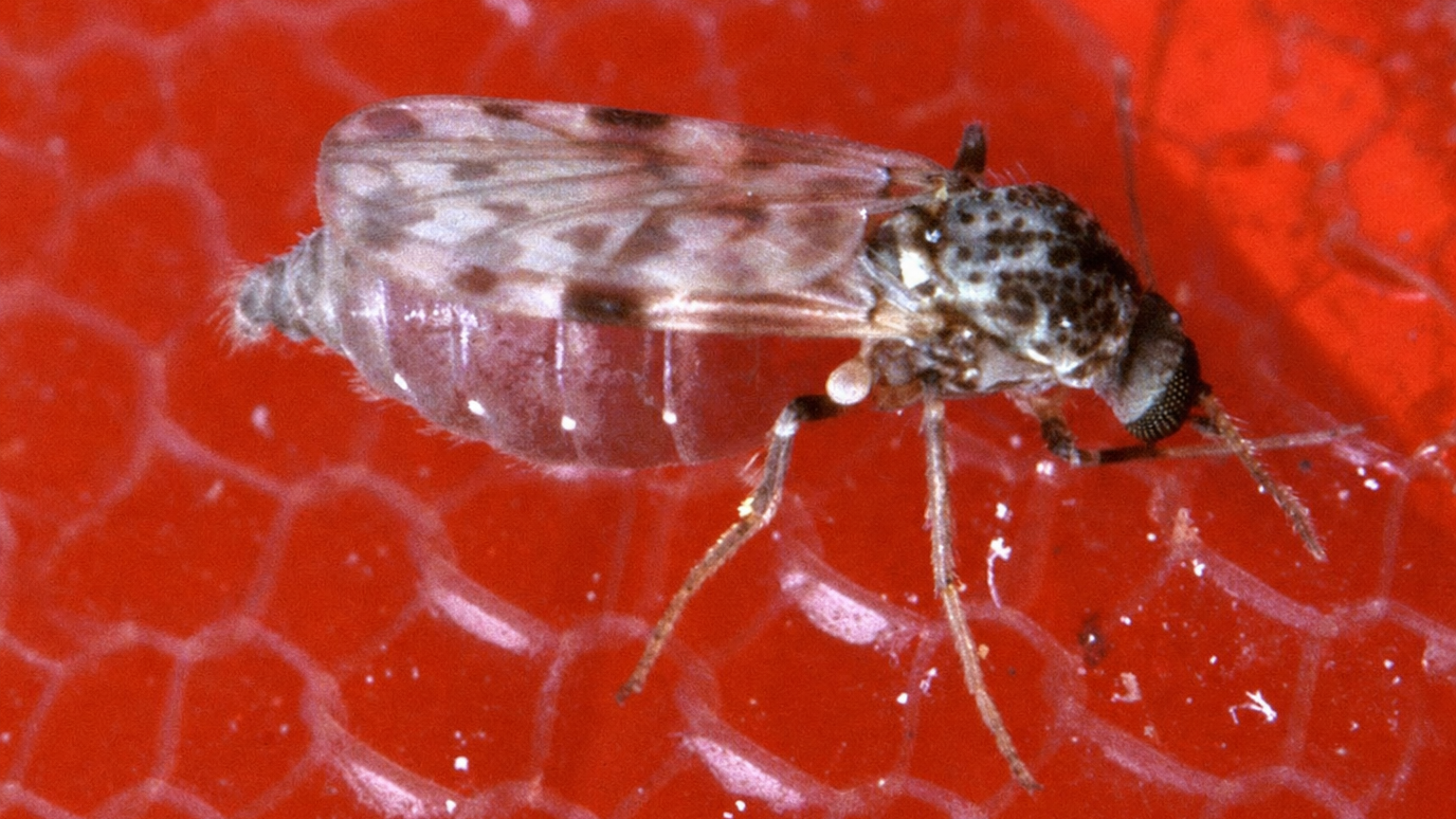
French health and agriculture ministries announced on October 22 that the Shamonda virus had been detected in a human for the first time, in a patient undergoing treatment for a serious underlying condition at the Hospices Civils de Lyon who died in early October. Preliminary findings from the investigation suggest that neurological complications observed in the patient prior to death were very likely associated with the infection. The ministries described the case as exceptional given the individual’s severe immunosuppression, which increased susceptibility beyond that of the general population.
The joint ministerial statement emphasised that despite the virus circulating in animals across Africa and Asia for decades since its identification in Nigeria in the mid-1960s, no previous human infections had been documented. French officials notified both the World Health Organization and the European Centre for Disease Prevention and Control following the detection. Investigations remain ongoing into whether the virus directly caused or contributed to the death and into the precise circumstances of its acquisition.
According to the ministerial statement, the leading hypothesis is that the patient contracted the virus through the bite of a Culicoides midge in eastern France, where animal circulation had been reported during the spring and summer. The European Centre for Disease Prevention and Control stated it is in contact with French authorities and European partners to evaluate potential public health implications. A Reuters dispatch reported that the agency is carefully monitoring the situation after the announcement of the first-ever reported human infection with a pathogen previously known only in animals.
The Shamonda virus is an orthobunyavirus transmitted by biting midges and belongs to the Simbu serogroup, which includes related viruses such as Schmallenberg. Data from the World Organisation for Animal Health indicate it primarily affects cattle but has also been found in sheep, goats, alpacas and horses. A French weekly animal health surveillance bulletin detailed that the virus had spread to 51 departments in the country by early October, with cattle impacted in 49 of them.
A study of nine French dairy farms affected by the virus found milk output dropped by as much as 75 percent in some herds, according to a Reuters summary of the surveillance report. The pathogen first reached Europe in late July with detections in southern Germany, Switzerland and eastern France through genomic testing on symptomatic cattle. Subsequent reports confirmed its presence in Austria, Belgium, Ireland, Italy, Luxembourg, the Netherlands, Portugal, Slovenia, Spain and the UK’s Jersey.
No commercially available vaccines against the Shamonda virus currently exist, the World Organisation for Animal Health reported. In livestock, acute infections typically produce mild to moderate symptoms including fever, diarrhoea and reduced feed intake that resolve within days to weeks. The European Centre for Disease Prevention and Control noted that while the human case marks a significant development, available knowledge of the virus indicates no broader health risk to the population at this stage.