ع



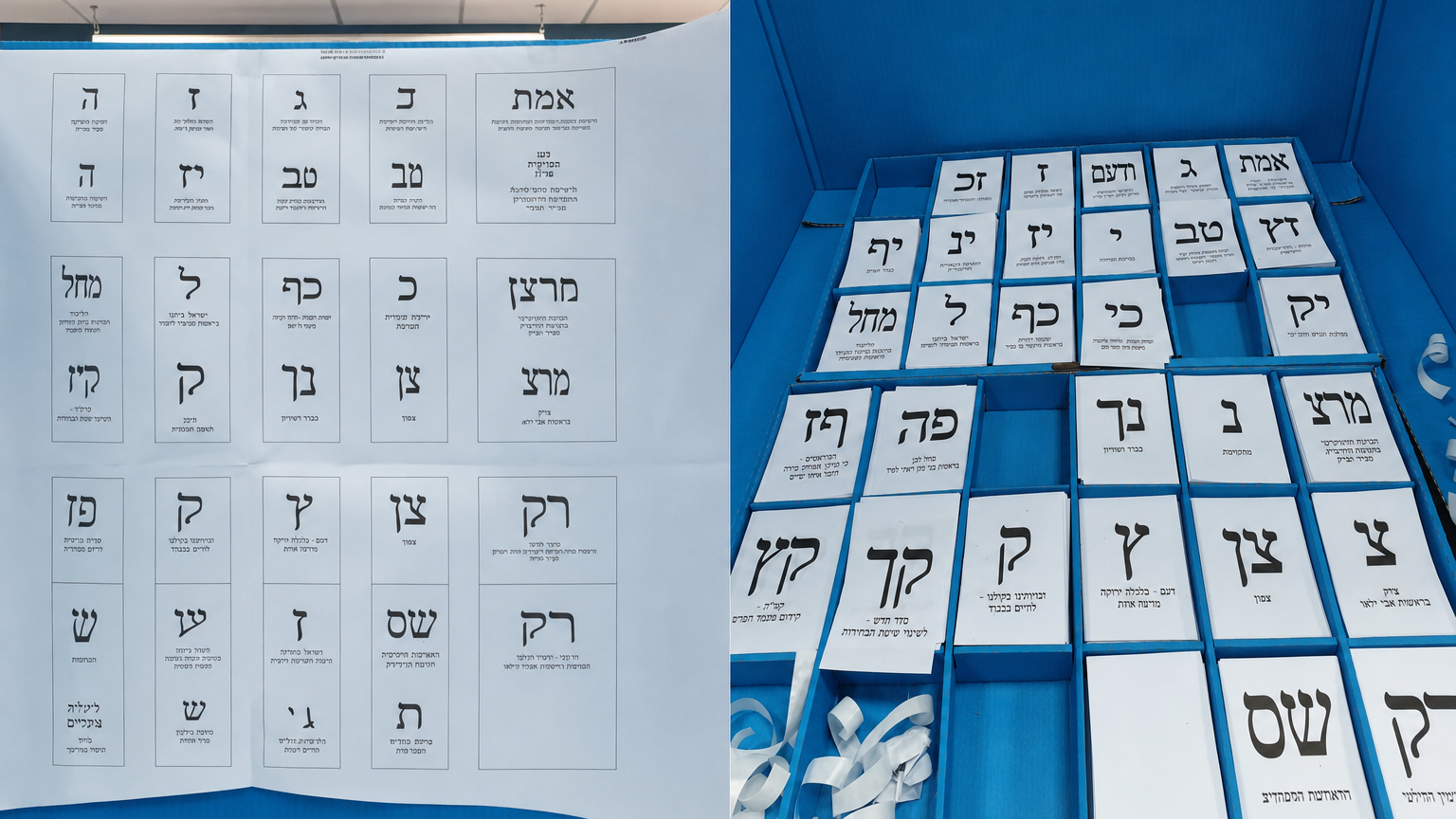
The Israeli electoral process distributes the Knesset’s 120 seats based on the proportion of national votes each qualifying party list receives, according to the Israel Democracy Institute. Voters select a single party or alliance rather than individual candidates or a prime minister, with the lists predetermined by each faction before election day. This closed-list nationwide approach has remained largely unchanged since the state’s founding, though the electoral threshold has risen over time to curb fragmentation, the institute’s analysis found.
A party must secure at least 3.25 percent of valid votes to enter parliament, equivalent to roughly four mandates, Central Elections Committee guidelines show. Votes for lists falling short are discarded, after which the remaining valid ballots are divided to calculate the quota per seat, typically around 36,000 votes based on past elections. Surplus vote agreements between parties can influence the final distribution of remaining mandates through the Bader-Ofer method, as detailed in official Knesset explanations.
Approximately 7.3 million Israelis are eligible to cast ballots on election day, which has been declared a national holiday, a Times of Israel overview reported. Participation rates have hovered near 70 percent in recent cycles, with the 2022 contest seeing 70.63 percent turnout among 6.8 million eligible voters. Palestinian citizens of Israel numbering about 1.2 million along with settlers in occupied territories also participate in the process that shapes policies affecting the entire region, Al Jazeera data indicates.
Benjamin Netanyahu’s Likud party, seeking to maintain power despite legal challenges facing the prime minister, leads the right-wing bloc that includes Otzma Yehudit under Itamar Ben-Gvir and Religious Zionism led by Bezalel Smotrich, multiple polls indicate. The coalition also relies on ultra-Orthodox parties Shas and United Torah Judaism for support in forming a government. A Jerusalem Post review of recent surveys shows Likud projected to win between 19 and 23 seats, down from its current 32.
Opposition forces have consolidated around several key figures, including Gadi Eisenkot’s Yashar party, which has topped many polls following Benny Gantz’s withdrawal from the race last week, according to the Times of Israel. Naftali Bennett and Yair Lapid’s B’Yachad alliance, along with Yair Golan’s Democrats and Avigdor Lieberman’s Yisrael Beytenu, form the core of the anti-Netanyahu camp that avoids formal partnerships with Arab lists. Polling averages place Yashar at 22 seats and B’Yachad at 13, with the broader opposition bloc hovering near 52 mandates.
Latest aggregates from the Israel Democracy Institute and various media outlets suggest the Netanyahu-aligned parties may fall short of 61 seats at around 54, while the opposition could reach similar numbers but face difficulties securing a stable coalition without crossing ideological lines. The president typically tasks the leader best positioned to assemble a majority with forming the government within 28 days, extendable by two weeks. Should no coalition emerge, fresh elections would follow, a scenario that has repeated several times in the past decade but avoided in the current Knesset’s full four-year term, the first since 1988.