ع
ع


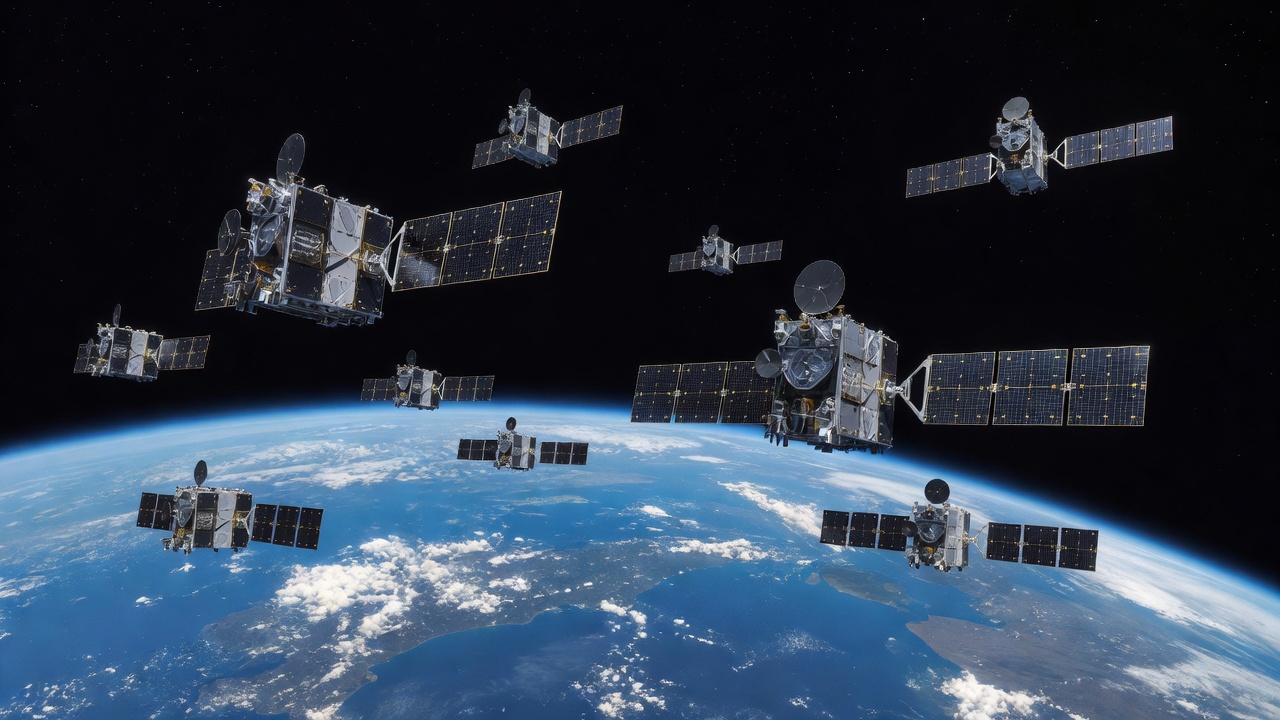
Elon Musk attributed restrictions on the military-grade Starshield satellite service to decisions by the US government in a post on X responding to Ukrainian concerns over disrupted drone operations. The SpaceX chief executive distinguished Starshield, which he said is owned and controlled by the US government, from the commercial Starlink network that operates under different rules limiting it to civilian or defensive activities. Ukrainian officials had reported earlier that day that terminals lost connectivity when exceeding 100 miles per hour, forcing cancellation of some missions without any prior notice from the company.
A senior US official told Axios the Trump administration had no involvement in the constraints, even as Ukrainian presidential adviser Serhiy Beskrestnov linked the change to strains between Kyiv and Washington over energy policy. Beskrestnov wrote on Telegram that the speed limit imposed overnight had disrupted several missions, according to a Reuters dispatch from Kyiv. Former Ukrainian defence minister Mykhailo Fedorov noted that connectivity at speeds up to 160 kilometres per hour was being restored but called for the full removal of the Starshield limit, which he described as critical for the country’s defence.
The restrictions affected both offensive drone strikes and defensive interceptors used against Russian jet-powered models that can reach speeds of 372 miles per hour, Ukrainian military sources told Reuters. Some units experienced connection losses for 10 to 20 seconds at speeds as low as 68 to 75 miles per hour, while others reported drops at even lower velocities around 40 miles per hour, according to accounts gathered by The Times. The 7th Rapid Reaction Corps said the interruptions made drones harder to control even though the units continued flying.
Starlink technology has provided Ukrainian forces with a key communications advantage since the early stages of the conflict, enabling real-time guidance for longer-range strikes on Russian logistics in occupied territories. A July 2026 Reuters report from the Zaporizhzhia region detailed how Russian forces had deployed jammers to disrupt the network over areas of about 20 square kilometres in response to Ukrainian mid-strike drone campaigns. SpaceX had previously taken steps to prevent unauthorised Russian use of the system, which Musk said in February 2026 appeared to have succeeded.
The timing of the latest limits coincides with US pressure on Ukraine to observe an energy ceasefire and refrain from strikes on Russian oil refineries, a point noted across reporting by Reuters, the BBC and The New York Times. President Volodymyr Zelenskyy stated that Ukraine received no early warning from partners about Russian ballistic missile attacks for a second consecutive night, compounding concerns over intelligence sharing. Polish Foreign Minister Radosław Sikorski questioned Musk directly on X about whether politics were influencing the service, referencing prior public exchanges between the two.
Ukraine’s defence ministry said it remained in contact with SpaceX, the US government and NATO allies to resolve the service conditions and prevent future sudden restrictions. A Reuters explainer published on the day of the disruptions highlighted that while Starshield was developed for Pentagon use, it often shares satellite infrastructure with the commercial Starlink constellation. European partners have no immediate alternative satellite system that could replicate the low-Earth orbit capabilities currently relied upon by Ukrainian units.