ع
ع


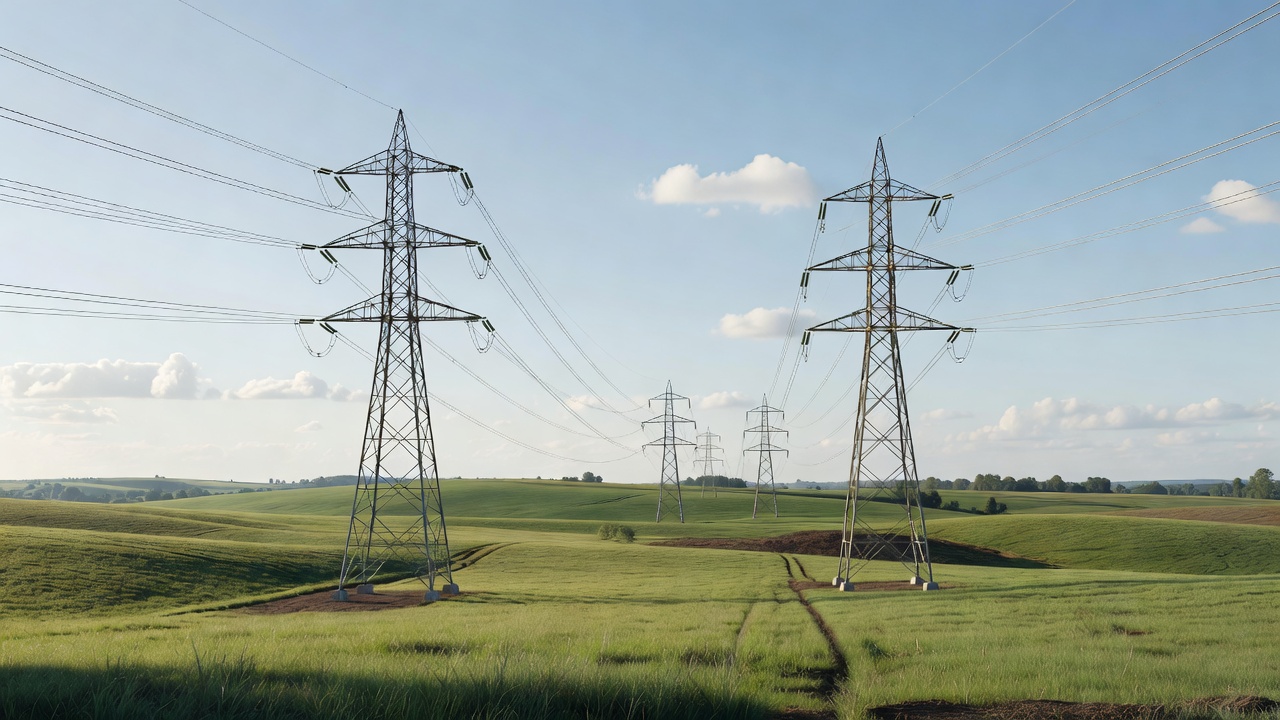
President Donald Trump announced via his Truth Social platform that Russia and Ukraine had agreed to an energy ceasefire halting attacks on each other’s energy infrastructure with the measure taking effect immediately. He provided no further details on the scope or verification of the agreement in the post. Ukrainian President Volodymyr Zelenskyy responded that the announcement came as a surprise but that Ukraine would back the initiative if Russia did the same while awaiting specifics from Washington.
Zelenskyy reported that Russian forces struck a power plant in Kharkiv shortly after the declaration causing further damage to Ukraine’s energy network with additional hits reported in the Kyiv area. He stated that Ukraine had already shown its commitment by refraining from attacks on Russian refineries the previous night yet Russian drone strikes continued. Reuters reported that Zelenskyy emphasized the need for Russia to follow through on the proposed truce for it to hold.[[1]](https://www.reuters.com/world/europe/ukraine-will-halt-strikes-refineries-if-russia-stops-energy-attacks-zelenskiy-2026-10-11/)
The development follows a recent agreement allowing Russia to export substantial volumes of diesel to the United States and global markets with initial shipments exceeding 300,000 metric tons. Trump had criticized Ukrainian strikes on Russian oil facilities for driving up diesel prices and urged a leadership change in Kyiv prior to the ceasefire declaration. A bipartisan group of US senators challenged the diesel arrangement as contrary to a 2022 law prohibiting Russian energy imports according to Bloomberg.[[2]](https://www.energyconnects.com/news/oil/2026/october/trump-says-russia-and-ukraine-agreed-to-energy-ceasefire/)
This marks the fourth time Trump has touted such an energy truce since returning to office in January 2025 with prior attempts including one in mid-September failing to stop mutual attacks as detailed by the Kyiv Post. Ukraine maintains it will only adhere to a reciprocal deal where Russia ceases assaults on its power grid and heating systems in exchange for Kyiv halting refinery strikes. The limited focus on refineries could favor Moscow given its far larger number of such facilities compared with Ukraine’s single operational site.
European allies voiced support for the initiative with the UK prime minister stating Britain strongly backed the call for a sustained energy ceasefire while France Canada and the EU issued similar endorsements. Zelenskyy had proposed a broader 60-day ceasefire that could enable elections in Ukraine if Russian President Vladimir Putin agreed according to Al Jazeera reporting. Past efforts have faltered amid ongoing winter preparations that have seen Russia intensify pressure on Ukrainian energy supplies in previous years.
Oil prices eased following the announcement with Brent crude falling below levels seen in recent weeks tied to the US-Iran conflict and supply disruptions. The war now entering its 56th month has featured energy infrastructure as a central battleground with Ukrainian long-range strikes aimed at curtailing Russian war revenues. The Guardian reported that US officials have floated economic incentives to Moscow including potential release of frozen assets as part of wider negotiations.[[3]](https://www.theguardian.com/world/2026/oct/11/zelenskyy-trump-ukraine-russia-energy-ceasefire)