ع
ع


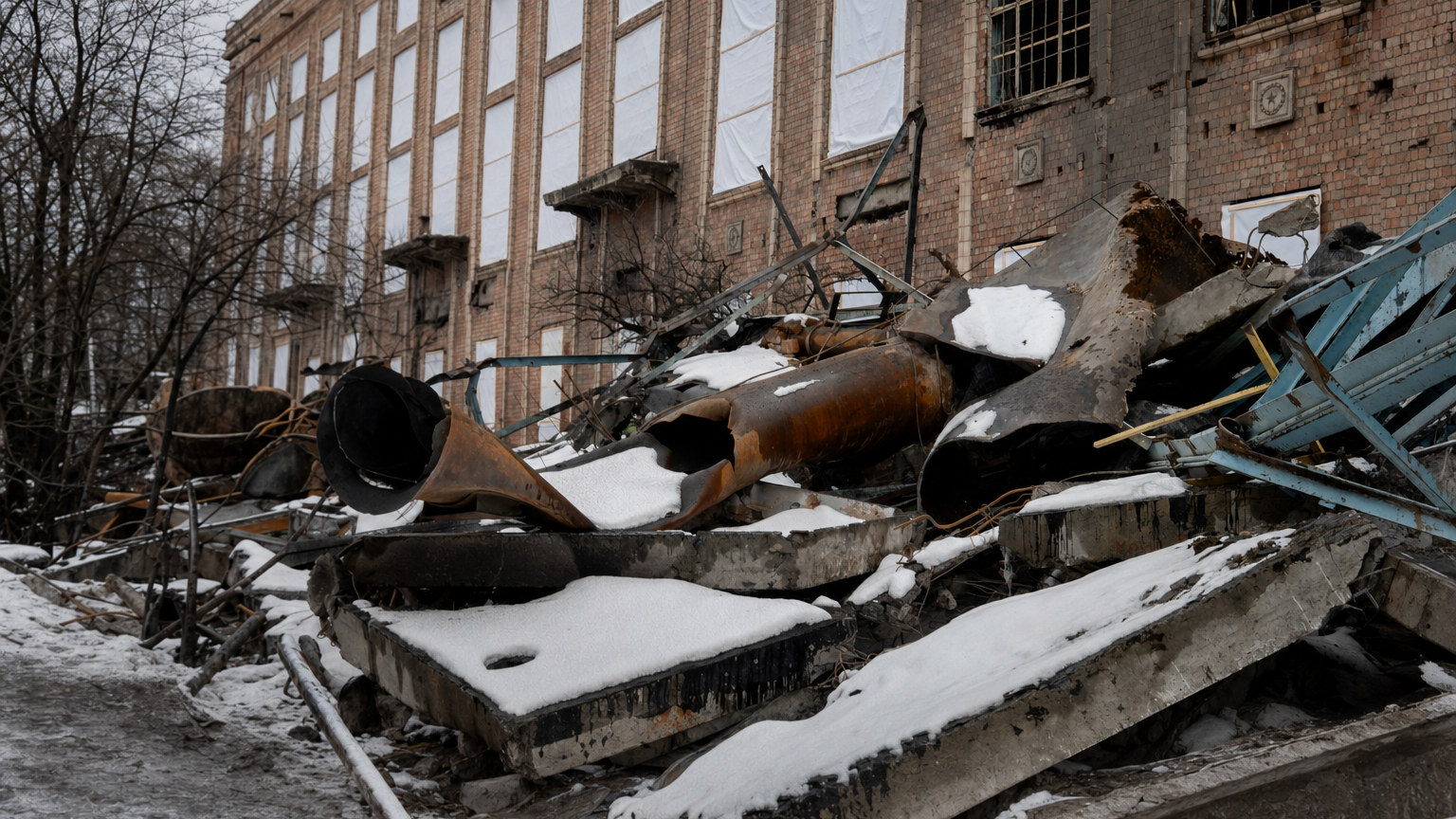
According to Kyiv mayor Vitali Klitschko in remarks to AFP the mounting Russian strikes on bridges the city centre and the energy grid have pushed the Ukrainian capital into survival mode ahead of winter with 189 people killed in such attacks so far this year. Klitschko advised that residents with friends or relatives outside the city should consider temporary relocation while stressing he would not call for a full evacuation. The latest assaults triggered rolling power outages temporary metro suspensions and water supply disruptions raising concerns about a larger crisis if infrastructure suffers further damage.
Reuters reported that Russia unleashed a major air campaign against Ukraine’s energy grid in late September hitting power facilities around Kyiv in the heaviest combined attack on energy sites in months and prompting emergency power cuts in the capital for the first time since spring. Ukrainska Pravda reported that Russia’s winter campaign against energy facilities began in late September with officials preparing for scheduled blackouts that could last eight to 10 hours daily when temperatures fall below minus 10 degrees Celsius. In the event of additional heavy strikes power might be available for only four hours a day leaving residents without electricity for up to 20 hours a senior energy company manager told the outlet while the capital’s resilience plan includes backup generators for critical infrastructure which accounts for about 280 megawatts of the 2 gigawatt peak winter load.
The city has constructed fortified power plants in bunkers designed to supply electricity and heat to several hundred high-rise buildings according to preparations outlined in local media. Klitschko said authorities are stockpiling fuel food and drinking water while developing alternative crossing options in case bridges are destroyed. Despite these measures the mayor cautioned that outcomes depend heavily on the effectiveness of air defence systems as Reuters noted shortages of air defence missiles are leaving major cities exposed.
Many Kyiv residents are preparing for the worst by exploring options to leave the city with one mother of two planning to spend the winter in Egypt because of safety concerns and better conditions the BBC reported. “It was a very difficult winter last year in Kyiv” Mariia Shostak told the BBC adding “I don’t feel safe in Ukraine in any way.” A September poll by the Gradus research company indicated that 40 percent of Ukrainians are considering relocation if living conditions worsen with company CEO Evgeniya Blyznyuk attributing the sentiment to accumulating stress factors while other residents invest in home battery systems generators or stays in the Carpathian mountains the Guardian found in interviews.
Ukraine enters this winter with improved gas reserves of 14.6 billion cubic metres accumulated ahead of schedule according to energy ministry data cited by The Ukrainian Weekly. Last year’s harsh conditions with temperatures dropping to minus 20 degrees and prolonged outages have prompted enhanced preparations including repairs and distributed generation. Energy analyst Volodymyr Kharchenko warned that up to 3,000 apartment blocks in Kyiv could still lose central heating affecting districts such as Solomianskyi Holosiivskyi and Pecherskyi as Prime Minister Sergii Koretskyi described the recent strikes to Reuters as an escalation not seen since the end of the last heating season.