ع
ع


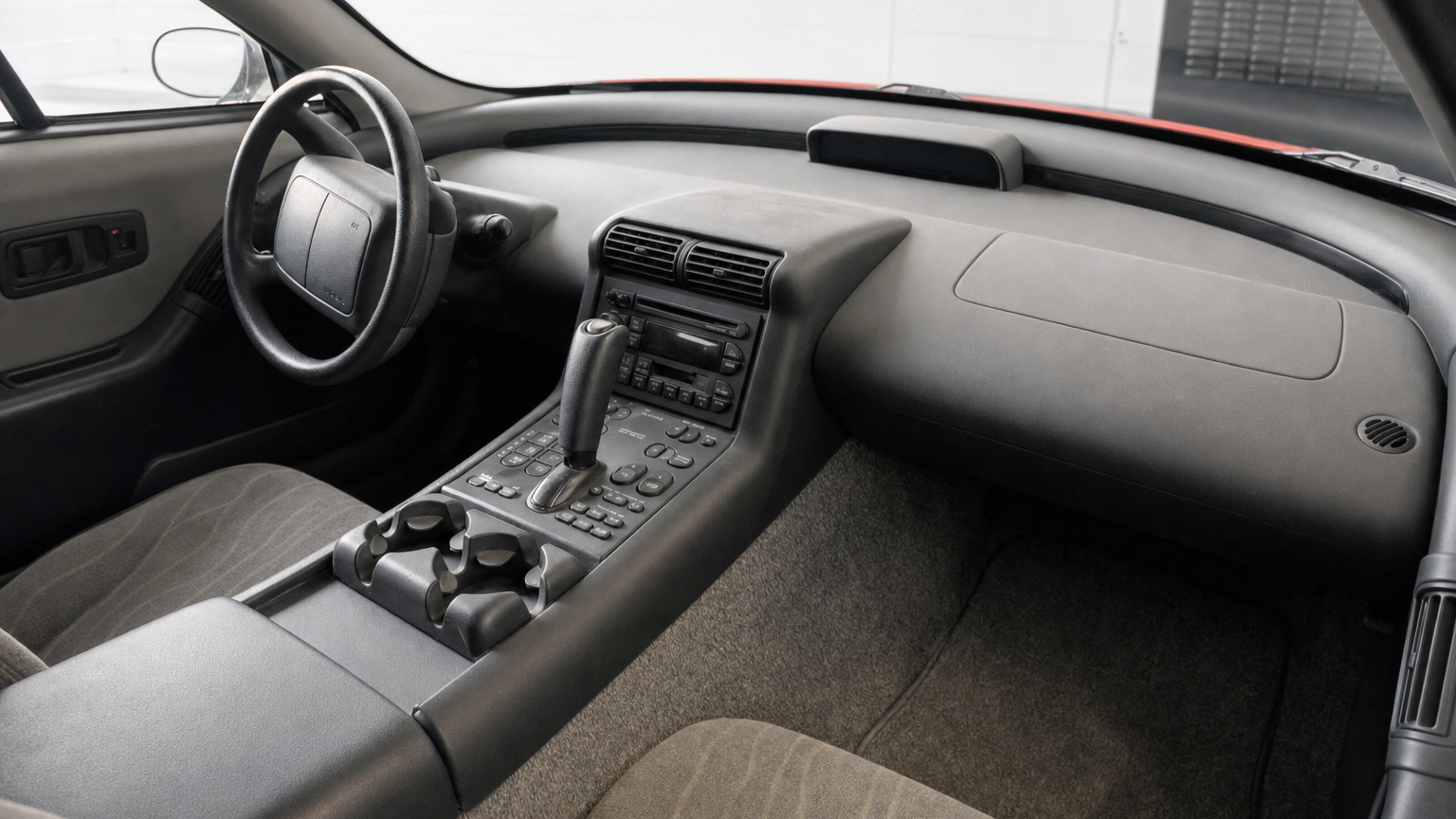
A survey of 639 passengers in China found that while fuel vehicles were associated with higher frequency of motion sickness, electric vehicles produced more severe symptoms according to researchers who published their work on arXiv in June 2025. The study tied severity to individual differences including age, gender, sleep habits and susceptibility along with in-vehicle activities such as watching displays and road conditions like congestion or slopes. Vehicle ownership and riding frequency influenced how often symptoms appeared.
Regenerative braking systems that convert kinetic energy into battery charge create low-frequency deceleration patterns which a study in the International Journal of Human-Computer Interaction confirmed can induce motion sickness. Researchers tested 16 participants prone to symptoms in on-road conditions comparing low and high braking levels with and without auditory cues. The results showed higher regenerative braking increased discomfort but auditory motion signals helped reduce it.
The lack of engine noise and vibrations in electric vehicles disrupts sensory expectations that passengers have developed from traditional cars according to a report by the BBC this week. Irene Di Giulio, a senior lecturer in anatomy and biomechanics at King’s College London, said this mismatch between visual, vestibular and auditory inputs appears to heighten nausea for some riders. Nicholas Hac, a neurologist at Northwestern Medicine in Chicago, reported hearing similar patient complaints roughly twice a month.
Global sales of electric vehicles accounted for 22 percent of new car purchases in 2024, an increase from 18 percent the year before, an assessment published by the Guardian in June 2025 showed. William Emond, a PhD student researching car sickness at the Université de Technologie de Belfort-Montbéliard in France, attributed greater sickness in part to limited prior experience with the distinct motion forces of electric models. The brain’s reliance on familiar patterns from internal combustion engines leaves it less accurate at predicting EV movements.
Real-vehicle experiments across six road scenarios conducted by Tsinghua University researchers and published in Frontiers in Psychology in August 2025 identified uphill and downhill S-curves as the strongest triggers for motion sickness with severity scores of 8.4 and 7.7. The study with 10 participants tracked physiological signals including heart rate variability alongside subjective ratings and developed a logistic regression model that predicted sickness states with 81 percent accuracy. Significant changes appeared in mean heart rate and related measures during episodes.
Incidence of motion sickness in new energy vehicles has reached 34 percent in some tests compared with 14 percent for conventional cars according to an analysis that proposed physics-based adjustments to jerk rates. One framework combining vehicle dynamics and vestibular modeling reduced occurrences by 65 percent in validation trials with 50 subjects at modest per-vehicle cost. Ongoing research into active suspensions, predictive neural networks and seat vibrations aims to address the gap as electric vehicle adoption widens.