

 ع
ع


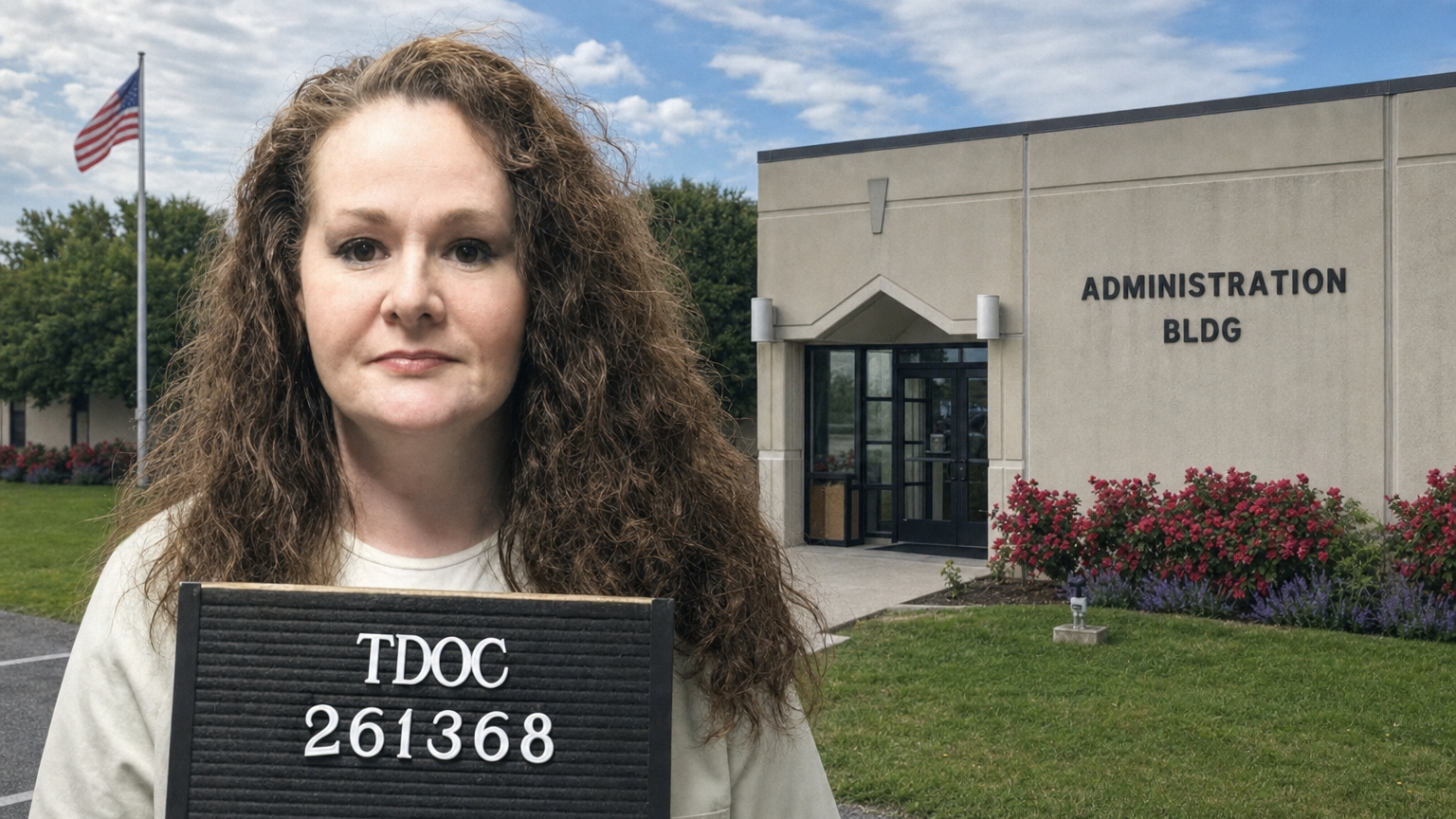
Pike’s attorneys detailed in a Friday filing that execution staff at Riverbend Maximum Security Institution attempted to establish intravenous lines with at least seven needles, one of which emerged bent at a 90-degree angle after removal. The 50-year-old inmate, who has thrombocytosis that complicates blood draws and injections, could be heard crying, whimpering and commenting that her arm felt as if it were about to burst while the process continued for more than an hour. According to her legal team, Pike even offered guidance on potential vein sites during the procedure yet remained alive and continued making snoring-like sounds long after the two full doses of pentobarbital had been administered.
Attorneys Randy Spivey and Stephen Ferrell, speaking to reporters after witnessing elements of the attempt, described the events as chemical torture that their client had long feared due to her medical conditions. The lawyers had warned state officials and courts in advance that her blood-clotting disorder and small veins raised the risk of an unnecessarily painful process, yet the execution team proceeded without confirming proper placement before delivering the drugs. Hospital staff were subsequently focused on clearing the pentobarbital from her system while Pike, intubated and unconscious, received life-saving care.
Court records and reporting by The New York Times establish that Pike was convicted in 1996 for the 1995 torture murder of 19-year-old Colleen Slemmer, a fellow Job Corps student in Knoxville whom she lured into woods along with two accomplices. The group beat Slemmer, slashed her with a box cutter, carved a pentagram on her chest and used a chunk of asphalt to crush her skull, after which Pike retained a fragment of the victim’s skull and later displayed it to others. Pike, who was 18 at the time of the crime, received a death sentence while one accomplice was spared capital punishment due to his age and the third received probation for testifying against the pair.
In the aftermath, Pike’s defense filed an emergency motion directing the Tennessee Department of Correction to protect all evidence from the failed execution, arguing the events demonstrated the state’s inability to carry out lethal injection consistent with constitutional standards. The filing seeks commutation of her sentence, with her lawyers stating that she has now endured punishment greater than any other person in the history of the American death penalty. Spivey, one of the attorneys, told media outlets he remains haunted by the scenes inside the chamber and that doctors are still assessing potential lasting effects from the chemicals introduced into her body.
Tennessee Governor Bill Lee responded by ordering a third-party investigation into the state’s execution protocols and suspending all remaining scheduled executions for 2026, as reported by NBC News and other outlets. State officials have issued no public explanation for proceeding with the second dose after signs that the initial administration had not taken effect as intended or for the apparent difficulties establishing reliable intravenous access. The governor’s directive marks an abrupt pause in capital cases amid renewed national attention on lethal injection practices.
The Death Penalty Information Center’s executive director, Robin Maher, characterized the outcome as singular and unparalleled in U.S. execution history. Historical accounts cited across multiple publications note that a successful execution would have made Pike the first woman put to death in Tennessee in more than 200 years. Pike’s team has long maintained that her documented history of childhood sexual abuse, neglect and resulting mental health conditions, including bipolar disorder and post-traumatic stress disorder, would likely preclude a death sentence under contemporary legal standards.