ع
ع


The German Olympic Sports Confederation chose Munich on September 26, 2026, to serve as Germany’s candidate city for bids to host the Summer Olympic and Paralympic Games in 2036, 2040 or 2044. President Frank-Walter Steinmeier revealed the outcome of the secret ballot at the DOSB assembly in Baden-Baden, where Munich prevailed over the rival Cologne and Rhine-Ruhr region proposal. Steinmeier told the gathering that the Olympic Games are a huge opportunity for all of Germany and called on the country to show it is a land of opportunity.
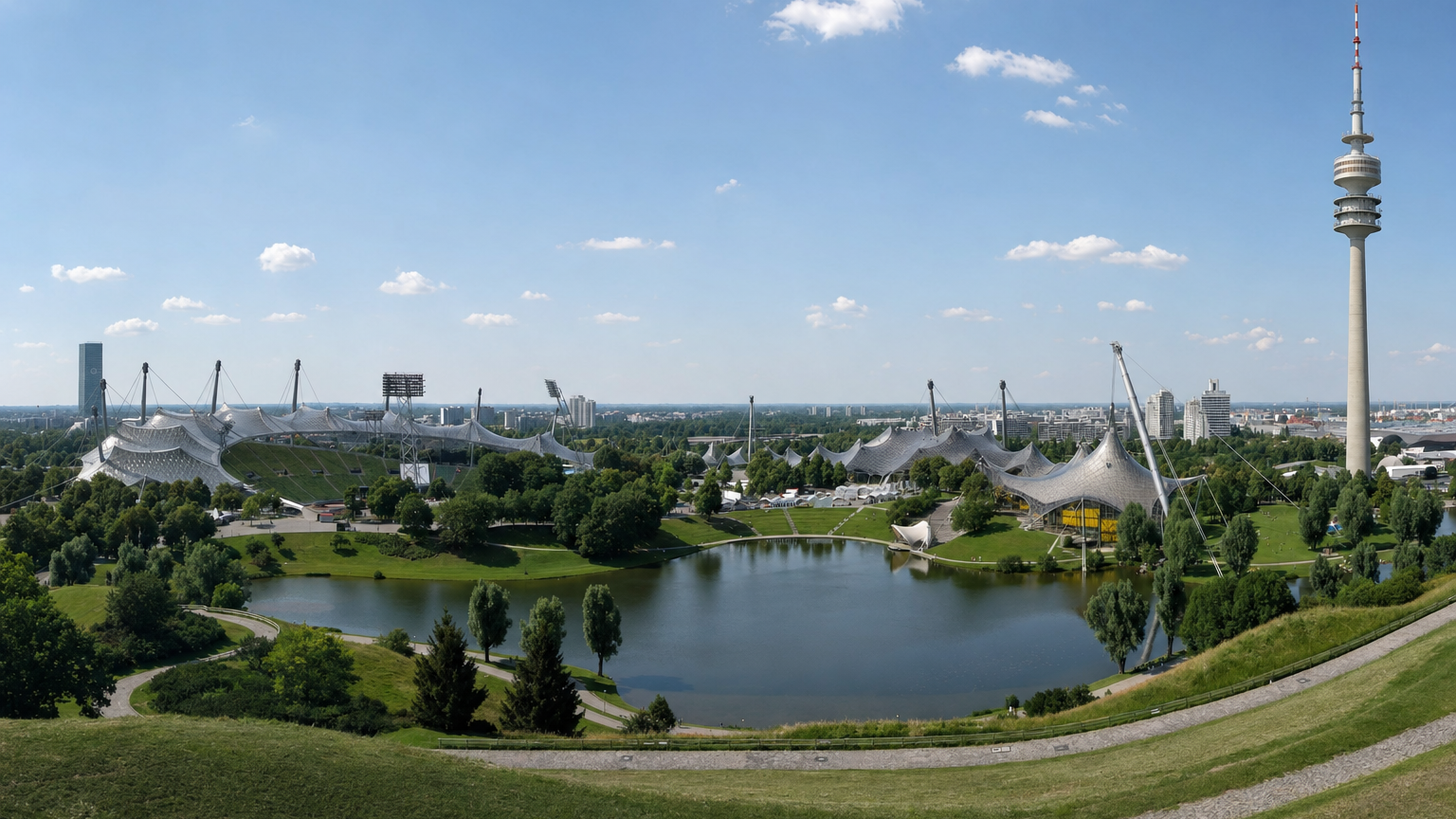
Munich, which hosted the 1972 Summer Olympics, centers its bid on the city’s Olympic Park that has seen extensive renovations, according to reports from dpa international. Bavarian Premier Markus Soeder stated after the announcement that the team is thinking about all of Germany and pledged to give everything while presenting the nation united. The DOSB evaluation had placed Munich slightly ahead, particularly among sports federations that held significant voting power.
Berlin withdrew from the race on September 24, 2026, following recent local elections, and Hamburg had already exited in May after a referendum rejected its plans. This narrowed the contest to two strong candidates that the DOSB had assessed as nearly equal in overall strength. Public support proved a key factor, with Munich benefiting from a 2025 referendum that delivered 66.4 percent approval for the bid.
All competitions under the Munich plan would occur in Bavaria except for football in Stuttgart and sailing in Kiel, the bid documents outline. German Chancellor Friedrich Merz issued a statement congratulating Munich on its selection as the candidate. The choice sets Germany on a path to formally pursue the Games after more than five decades without hosting the Summer edition.
Germany has pursued seven unsuccessful bids to host the Summer Games since 1972, according to Al Jazeera. The International Olympic Committee is scheduled to award the 2036 Games in 2029, with other potential candidates including Doha and cities from India and Indonesia. Sports Minister Ronald Rauhe had urged the DOSB to select the option offering Germany the strongest international prospects.
The 2040 Games would carry special meaning as they would coincide with the 50th anniversary of German reunification, a point highlighted by officials in the lead-up to the vote. Munich’s experience with previous Winter Games bids, though unsuccessful, added to its credentials alongside the existing infrastructure. The DOSB will now work on developing the detailed bid for submission to the IOC.