ع
ع


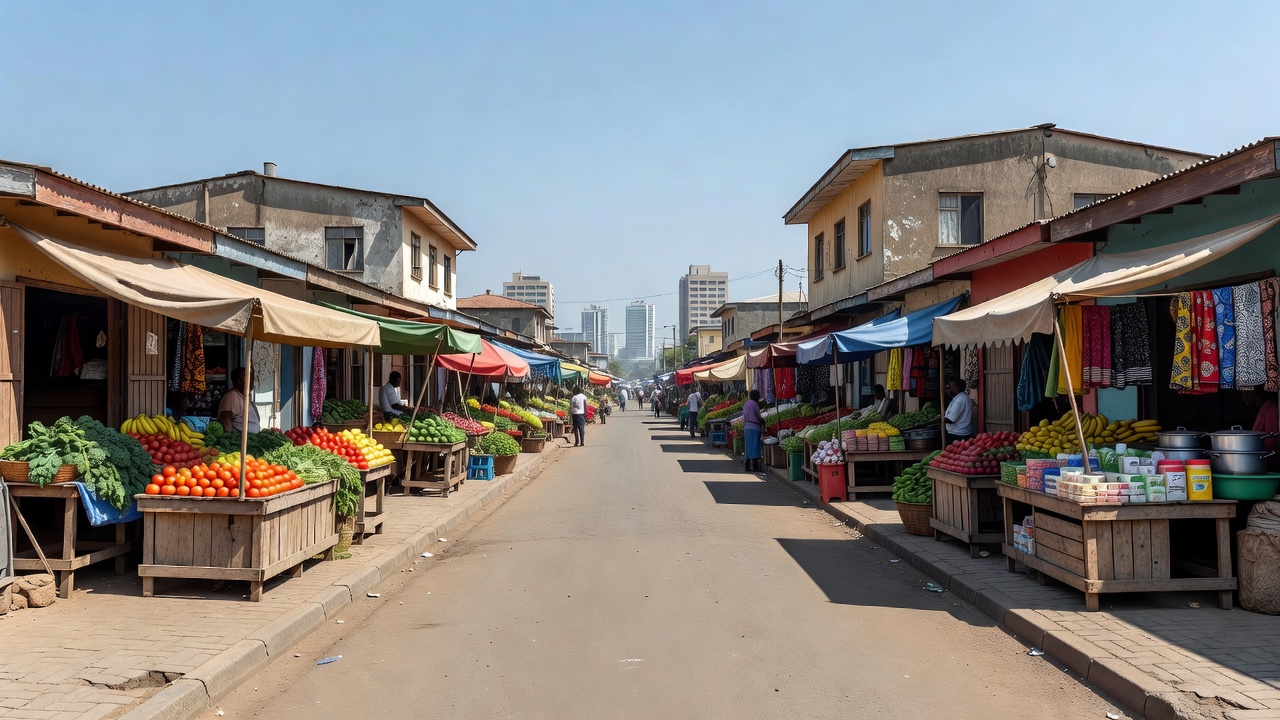
Kenyan authorities initiated operations on September 7 to close small shops and hawking activities run by foreign nationals following President William Ruto’s directive issued five days earlier at a meeting with micro small and medium enterprise representatives at State House in Nairobi according to an Al Jazeera report. Ruto told the gathering that such low-capital businesses should be reserved for Kenyans while the country continues to welcome larger foreign investments that generate employment and expand production a position repeated in subsequent government clarifications. The move aligns with ongoing parliamentary consideration of the Local Content Bill 2025 which seeks to formalize restrictions on foreign participation in designated trading segments the presidency indicated.[[1]](https://www.aljazeera.com/news/2026/9/7/why-is-kenya-cracking-down-on-foreign-traders-and-small-retailers)
A rights group monitoring the enforcement reported instances of intimidation profiling extortion and arbitrary actions against foreign nationals particularly those from Burundi and the Democratic Republic of Congo in the days after the September 7 start the Police Reforms Working Group Kenya stated in a September 10 release. One trader described the atmosphere to the BBC as feeling like a dog set loose on us while hundreds of Burundians gathered at their embassy in Nairobi seeking travel documents amid fears of violence or harassment Semafor reported. Eastleigh residents expressed divided views on the policy with some welcoming protection for local livelihoods and others questioning the practicality of distinguishing compliant operators from those targeted according to local accounts gathered by The Eastleigh Voice.[[2]](https://www.semafor.com/article/09/09/2026/kenyas-foreign-trader-crackdown-exposes-an-economic-fault-line)
Prime Cabinet Secretary Musalia Mudavadi clarified during a September 10 diplomatic briefing that the measures do not amount to a blanket ban on foreign small-scale trade but instead enforce requirements under the East African Community Common Market Protocol and national laws on immigration work permits registration and licensing the government stated. Foreign Affairs Principal Secretary Korir Sing’oei added that properly documented foreign nationals holding valid permits remain fully protected while a 90-day window was opened for undocumented East Africans to regularize their status without fear of immediate enforcement according to multiple accounts including those published by DW. Trade Cabinet Secretary Lee Kinyanjui separately emphasized that visa-free entry does not confer automatic rights to operate businesses without the necessary approvals.[[3]](https://www.standardmedia.co.ke/national/article/2001557464/mudavadi-what-kenyas-foreign-trader-crackdown-really-means)
Kenya National Bureau of Statistics data placed the country’s foreign direct investment stock at 1.458 trillion Kenyan shillings equivalent to 11.27 billion dollars at the end of 2023 marking an 8.5 percent increase from the prior year and supporting employment for more than 224,000 people the majority of them Kenyan citizens. The Kenya International Freight and Warehousing Association separately reported that local clearing firms had lost over 60 percent of business in the past two years due to foreign competition while 80 percent of small enterprises in that sector had collapsed according to statements carried by Tuko.co.ke. President Ruto has drawn a distinction between attracting substantial capital inflows that create jobs and allowing foreign operators to compete directly with citizens in petty commerce a framing echoed in his September 2 remarks.[[1]](https://www.aljazeera.com/news/2026/9/7/why-is-kenya-cracking-down-on-foreign-traders-and-small-retailers)
An estimated 7.41 million micro small and medium enterprises operate across Kenya many of them in the informal sector that employs roughly 17.4 million people according to 2024 official figures cited by DW. Local traders in areas such as Mombasa have urged faster passage of the Local Content Bill 2025 to safeguard additional sectors including logistics from external dominance the Business Registration Service board chairman noted in public comments. The policy arrives as Kenya recorded a record 3.2 billion dollars in foreign direct investment during 2025 representing a 38 percent rise from the previous year per UN Conference on Trade and Development statistics.[[4]](https://www.dw.com/en/kenya-crackdown-on-foreign-traders-prompts-xenophobia-fears/a-79143847)
The crackdown has prompted concerns about potential strain on regional trade ties within the East African Community including with Tanzania where cross-border commerce commitments were recently reinforced government and business sources indicated. Rights organizations called for suspension of forced closures in favor of structured dialogue involving relevant ministries and trade associations to avoid undermining constitutional protections against excessive force the Police Reforms Working Group Kenya stated. Officials have warned against xenophobic actions stressing that the directive targets only non-compliant operations rather than all foreign-owned businesses operating in the country.