ع
ع


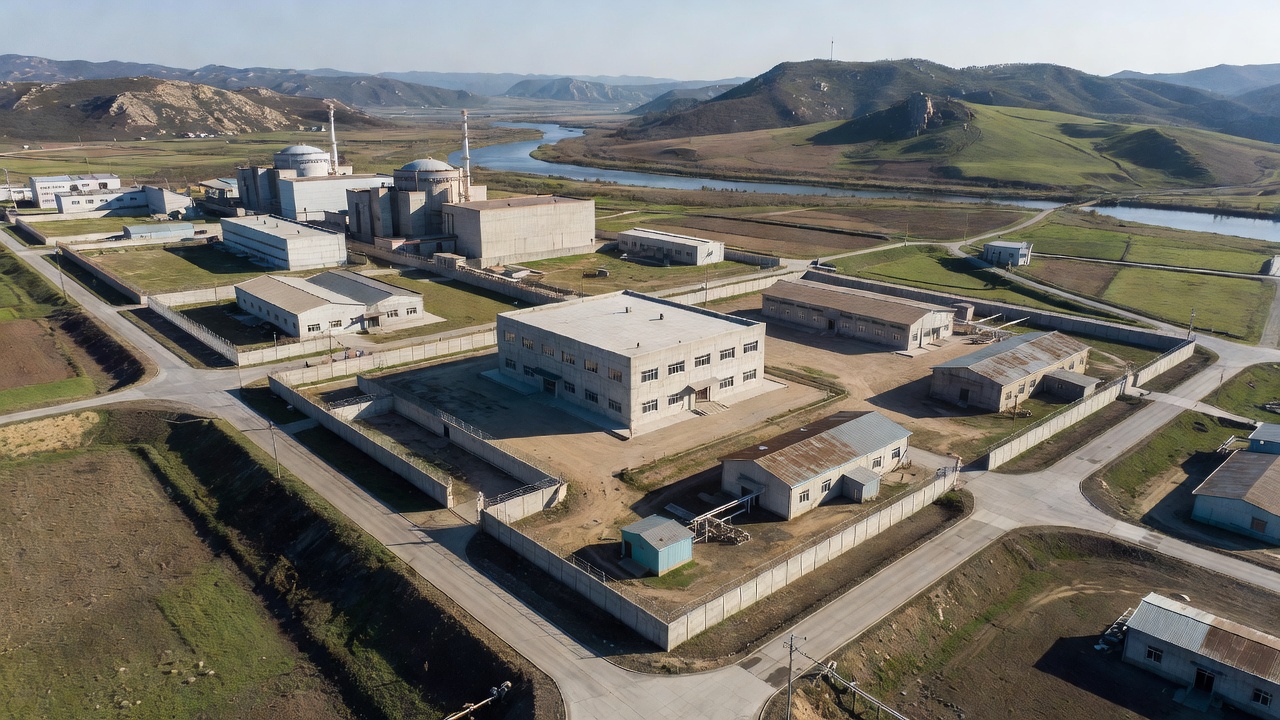
The International Atomic Energy Agency has identified a new two-storey building at North Korea’s Yongbyon nuclear complex as the site’s second uranium enrichment facility through analysis of satellite imagery and state media photographs. According to the IAEA report dated August 28, the structure matches features visible during leader Kim Jong Un’s visit in June, with gas centrifuge cascades installed across both floors. The agency assessment found the building could accommodate up to 28 cascades, each potentially configured for low enriched uranium production though the possibility of highly enriched uranium output elsewhere in the site cannot be excluded. A Reuters summary of the findings noted that these details point to continued expansion of nuclear infrastructure at multiple locations.
The nuclear watchdog also reported indications of operations commencing in January at an expanded annex to the Kangson uranium enrichment facility near Pyongyang, where an additional structure was built in 2024. IAEA Director General Rafael Grossi stated in a September 7 address to the Board of Governors that the ongoing activities at both Kangson and Yongbyon represent a cause for serious concern. The agency has observed consistent signs of activity at the sites despite having had no inspectors inside North Korea since 2009, relying instead on commercial satellite data and open source materials.
North Korea declared itself a nuclear power in 2022 and has since accelerated production of weapons-grade materials in violation of multiple UN Security Council resolutions, according to repeated IAEA statements. A South Korean official told AP News last September that the country operates four uranium enrichment facilities with centrifuges running daily, a figure that incorporates the known Yongbyon plant along with undisclosed sites. The IAEA General Conference resolution adopted in September 2025 deplored these developments while urging an immediate halt to all enrichment and reprocessing work.
Construction timelines for the new Yongbyon building align with earlier alerts from 2025 when the agency first monitored a structure with dimensions similar to the Kangson facility, The New York Times reported at the time. Carnegie Endowment expert Ankit Panda assessed the two-level design as a substantial increase in enrichment capacity after reviewing state media images of the site, which the AP News dispatch quoted him describing as consistent with North Korea’s pattern of expansion. Panda added that the country’s nuclear buildup shows no sign of slowing in the near term.
The IAEA has additionally tracked continued operation of the 5 MW(e) reactor at Yongbyon through its seventh irradiation cycle along with the light water reactor resuming activity in late April. These reactors support fissile material production that complements the enrichment efforts detailed in the latest report. In its safeguards implementation summary for 2025, the agency highlighted growing global demand for such verification activities while noting limitations in assessing undeclared North Korean facilities.
Photographs released by North Korean state media in 2024 and 2025 depicted centrifuge cascades of 344 machines each at both Yongbyon and Kangson, configurations the IAEA has linked to low enriched uranium output though it maintains concerns over potential weapons applications. The agency will henceforth refer to the Kangson location formally as a uranium enrichment facility based on this cumulative evidence. Further construction activity was observed in December 2024 southwest of Yongbyon’s 50 MW(e) plant where barracks were partially demolished to make way for a large new walled building.