ع
ع


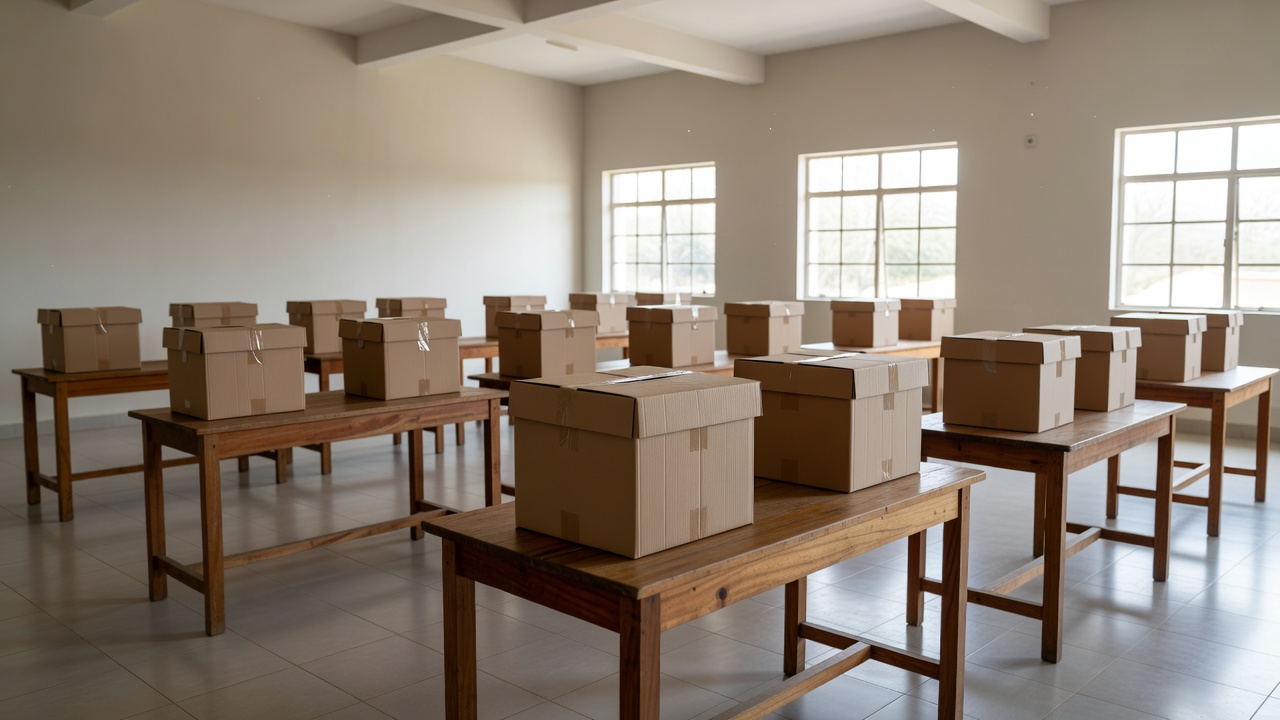
The Electoral Commission of Zambia announced the immediate nationwide suspension of vote counting on Friday following allegations of attacks on polling staff that resulted in the theft of marked ballot papers from some boxes, according to a statement from the commission. A CGTN report confirmed that the electoral body attributed the halt directly to violence targeted at staff, noting that in certain instances ballot papers had been stolen. The commission indicated it would conduct a review of the events within 24 hours while legally required to announce final results by the end of Sunday. Polling stations had closed on election day with counting commencing shortly afterward, yet the process stopped before any outcomes were made public.
Opposition candidate Brian Mundubile expressed grave concern over the delays, which he said created opportunities for interference, in remarks reported by the BBC. Mundubile cited reports from various areas that included military personnel appearing at counting centres and unexplained movements of ballot boxes, and he called for results to be published polling station by station along with full protection of materials and thorough investigations. President Hakainde Hichilema, who is seeking a second term, urged all citizens to remain peaceful, patient and patriotic as they await official results, according to the same reporting. The two lead contenders head a field of 14 candidates on the ballot.
Wikipedia entries on the 2026 Zambian general election list Hichilema of the United Party for National Development as the incumbent facing Mundubile, who represents the New Revolution Party for Unity and Prosperity on behalf of the Tonse Alliance formed in late 2024. Other candidates include Harry Kalaba of the Citizens First party under the Orange Alliance, Fred M’membe of the Socialist Party and independent Given Katuta Mwelwa, the encyclopaedia states. The election employed a two-round system for the presidency, with constitutional amendments in 2025 also altering the National Assembly to a mixed-member majoritarian model, according to the Wikipedia overview.
The IFES Election Guide places the total number of registered voters at 8,786,300 for the August 13, 2026 polls. Social media analyses cited in posts from Zambia Today projected that turnout mirroring recent general elections of between 68 and 72 percent would produce roughly 6.0 to 6.3 million votes cast, with the threshold for an outright win at around 2.9 to 3.1 million valid votes. The 2021 presidential election recorded a turnout of 70.95 percent with nearly 5 million votes from 7 million registered voters, according to IFES historical data.
Hichilema first won the presidency in 2021 on his sixth attempt, defeating then-incumbent Edgar Lungu of the Patriotic Front, a BTI 2026 Zambia Country Report recalled. The current contest has centred on the incumbent’s economic record, including debt restructuring and lowered inflation, though his popularity has faced some erosion, according to multiple pre-election assessments. Lungu died in 2025 with his body remaining in South Africa amid a family dispute with Hichilema, further complicating the political landscape, the BTI report noted.
A pre-election publication from the Peace Research Institute Oslo identified strategic electoral violence, politicised judicial actions and under-representation of women and lower-income citizens as three interconnected challenges facing the 2026 vote. The BTI 2026 Zambia Country Report similarly referenced past concerns over political violence linked to party-aligned groups during earlier cycles, though it observed a reduction in such activity under the current administration. Civil society groups largely described polling day itself as orderly with long queues at many stations and only isolated delays, the BBC reported.