ع
ع


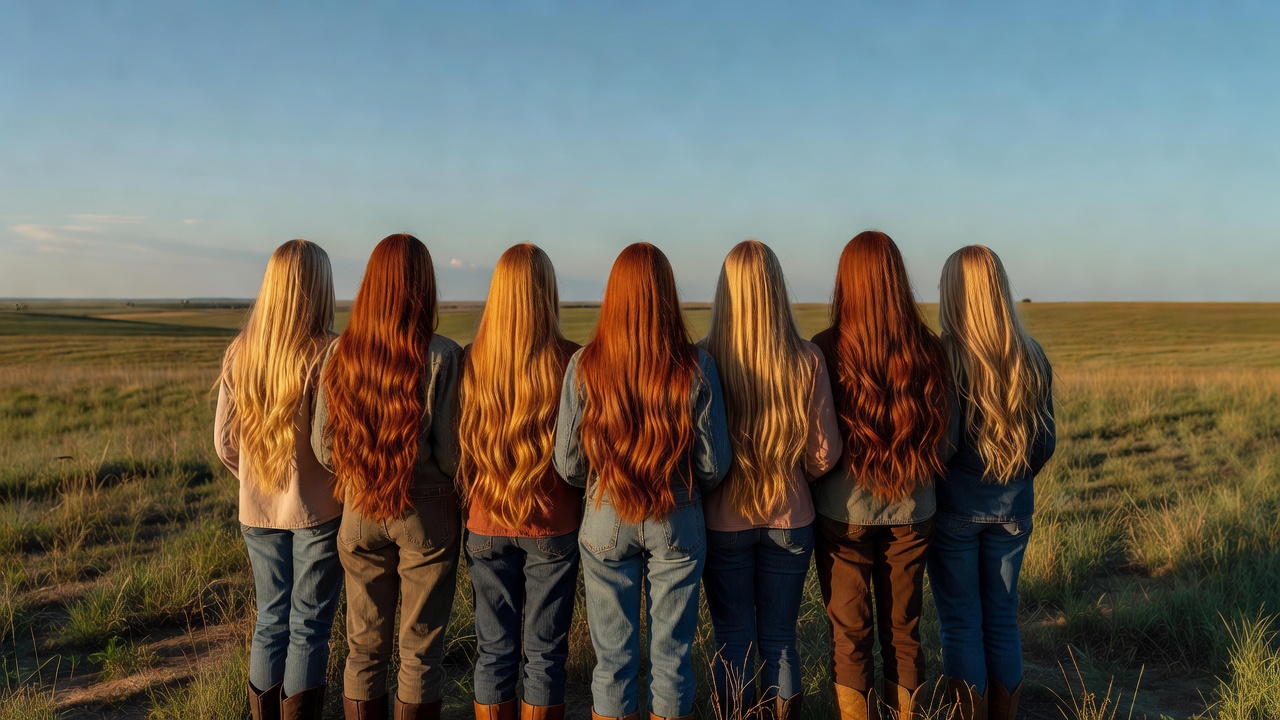
A BBC Scotland report published on August 1 detailed how Edinburgh-based photographer Kieran Dodds spent several years and made seven extended visits to document hundreds of red-haired Americans for his book Gingers of America. The 45-year-old who describes himself as a proud ginger began the broader project in Scotland in 2013 to explore identity and later expanded it to global redhead hotspots before turning attention to the United States after noting a gap in his 2020 book Gingers. Dodds told the outlet that contact from a Native American man with red hair prompted deeper curiosity about the trait’s origins in communities where it is uncommon. World Population Review figures place the share of redheads in the United States between 2 and 6 percent of the total population, which translates to an estimated 6 to 18 million people and the largest absolute number worldwide because of the country’s size.
According to the same BBC Scotland report Dodds encountered numerous Native Americans who traced their red hair to early intermarriages with Scottish and Irish settlers. The book’s cover features Joshua Elliot of the Muscogee Nation in Oklahoma who attributed the trait to German ancestry on his mother’s side and English and Swedish roots on his father’s while stressing his upbringing in tribal traditions. Elliot said “Our chief’s wife told me it’s about your involvement in your community and your tribe the people around you and what you put back into it which I really took to heart.” Lottie Wahkinney a Comanche girl from Oklahoma has Scottish grandparents from Galashiels her father Jared explained during one of the photography sessions.
The BBC Scotland report noted one exception in Lakia Jones a Cherokee girl whose family reported no known European ancestry yet her hair turned a distinct deep ruby shade in childhood. Jones said “Everyone thought since I was about eight that I dyed my hair and still now everyone’s like what hair colour is that.” Dodds described the color as different from typical red tones he had documented elsewhere. Historical accounts from Oklahoma link such cases to overlapping 19th-century migrations including the Irish potato famine and the Trail of Tears that brought Scottish and Irish settlers into contact with displaced tribes according to regional records referenced in Dodds’ own project writings.
World Population Review data and related genetic studies attribute most red hair to variants in the MC1R gene that occur most frequently among people of Northwestern European ancestry. Wikipedia entries on the subject note that emigration from the British Isles has increased red-hair prevalence in the Americas while per-capita rates remain highest in Scotland at up to 13 percent in some estimates. Medicover Genetics publications from 2022 indicate the trait appears in only 1 to 2 percent of the global population overall. Dodds’ portraits extend beyond expected groups to capture the trait in mixed-heritage families that challenge conventional assumptions about appearance and ethnicity.
In Alabama Dodds documented families such as Rachel Releford and her daughter Liliana whom strangers sometimes mistake for a nanny and child because of their differing looks. Releford said “I’m like nope she’s mine.” The report described how the state once associated with racial segregation and the civil-rights movement now features vibrant communities where interracial marriages have produced such outcomes. Henry Davis and his son in the same state share the trait though the father no longer has red hair himself.
A piece on Dodds’ project website described how the photographer used the colloquial term ginger for its descriptive power noting it carries a golden tone rather than negative connotations. He positioned the hair color as a unifying element across America’s complex history of migration and mixing. Dodds said “We are all made of the same stuff and with the ginger hair it shows.” The work coincides with renewed international attention on American communities following the recent men’s football World Cup which the photographer said has highlighted positive aspects beyond recent political divisions.