ع
ع


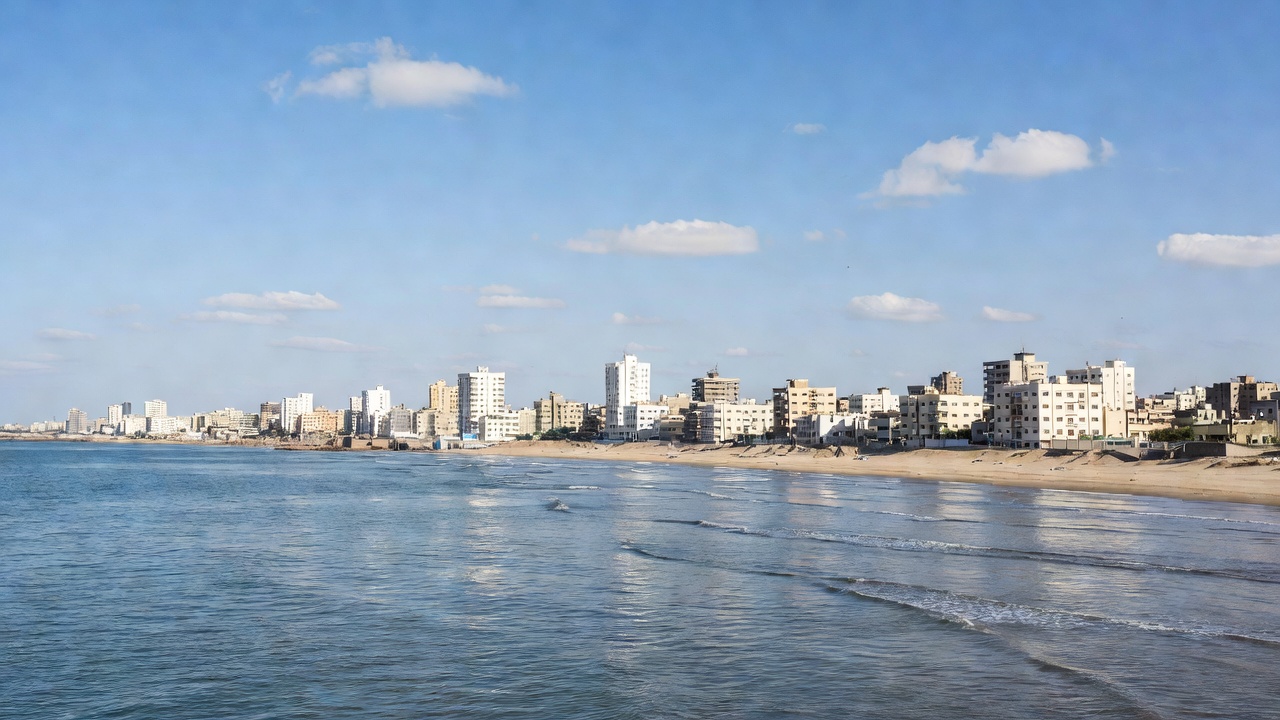
Hamas has for the first time endorsed the core elements of a Board of Peace plan that calls for the full disarmament of its forces in Gaza, with remaining heavy weapons to be inventoried and stored under Palestinian supervision rather than transferred to Israeli control. A senior Hamas official who participated in the negotiations told BBC News that the talks had been long and extremely difficult, as the group pushed for specific language to maintain Palestinian oversight. The development follows Hamas leadership elections that installed Khalil al-Hayya as the movement’s new political chief, with officials linking the decision to the dire conditions facing civilians across the enclave. Palestinian negotiators described the acceptance as a significant political shift for the group.
Khalil al-Hayya, a veteran negotiator and former deputy chairman, prevailed in an internal run-off against Khaled Meshaal to assume leadership of Hamas’s political bureau, according to Al Jazeera reporting on the July 2026 vote within the General Shura Council. The election process reflected divisions inside the movement over its future direction after the death of previous leader Yahya Sinwar in 2024. Al-Hayya’s Gaza-based perspective appears to have shaped the willingness to engage on longstanding demands that had previously stalled progress. The leadership transition coincided with renewed momentum in the US-mediated talks.
United Nations Office for the Coordination of Humanitarian Affairs data places Gaza’s population at 2.1 million, with nearly all residents displaced at least once and facing persistent shortages of shelter, food, clean water and medical care despite a ceasefire that began in October 2025. A joint Rapid Damage and Needs Assessment released by the European Union, United Nations and World Bank in April 2026 estimated total recovery and reconstruction costs at 71.4 billion dollars over the coming decade. The assessment found that Gaza’s economy had contracted by 84 percent while human development indicators had regressed by the equivalent of 77 years, underscoring the pressure that contributed to Hamas’s latest concessions.
The Trump administration unveiled its 20-point Gaza peace plan in September 2025, outlining phased steps that begin with hostage returns and a ceasefire before addressing demilitarization, transitional governance and eventual reconstruction, a Council on Foreign Relations summary of the proposal stated. The plan envisions independent international monitors verifying the decommissioning of weapons through a buy-back and reintegration program. Hamas had earlier disputed aspects of the disarmament language, yet the newly accepted framework now aligns with advancing to the second phase of implementation under the Board of Peace. Mediators from the United States, Qatar, Egypt and Turkey have supported the process since its launch.
Public reaction inside Gaza showed little enthusiasm for the announcement, as many residents voiced deep scepticism after repeated collapses of prior ceasefire efforts, BBC News reported from the territory. Online comments from Palestinians emphasised immediate priorities such as ending the fighting, enabling displaced families to return home and delivering sustained humanitarian relief over the intricacies of disarmament wording. Confidence in both Hamas and Israeli commitments has eroded after years of unfulfilled pledges that produced minimal improvements on the ground. The war, which began in October 2023, has left lasting scars across the enclave.
BBC Gaza correspondent Rushdi Abualouf assessed that if the Hamas disarmament plan holds it could mark the first credible step to ending the Gaza war. Abualouf noted the agreement potentially removes the most significant obstacle to broader political progress under the Trump-backed initiative. He cautioned that it was still too early to determine whether all parties would fully honour the commitments reached after months of negotiations. Implementation details will now move to the oversight board for further elaboration.