ع
ع


US Central Command announced on July 30, 2026, that American forces had completed a heavy wave of strikes against Iranian military sites. The operation targeted dozens of Revolutionary Guard Corps facilities, including command centers, missile and drone installations as well as coastal defense positions, Central Command said in a statement. The command described the action as a powerful response to Iranian aggression the previous day that included attacks on US positions in Jordan. Central Command linked the strikes to more than 30 IRGC-directed drone assaults in the preceding 72 hours.
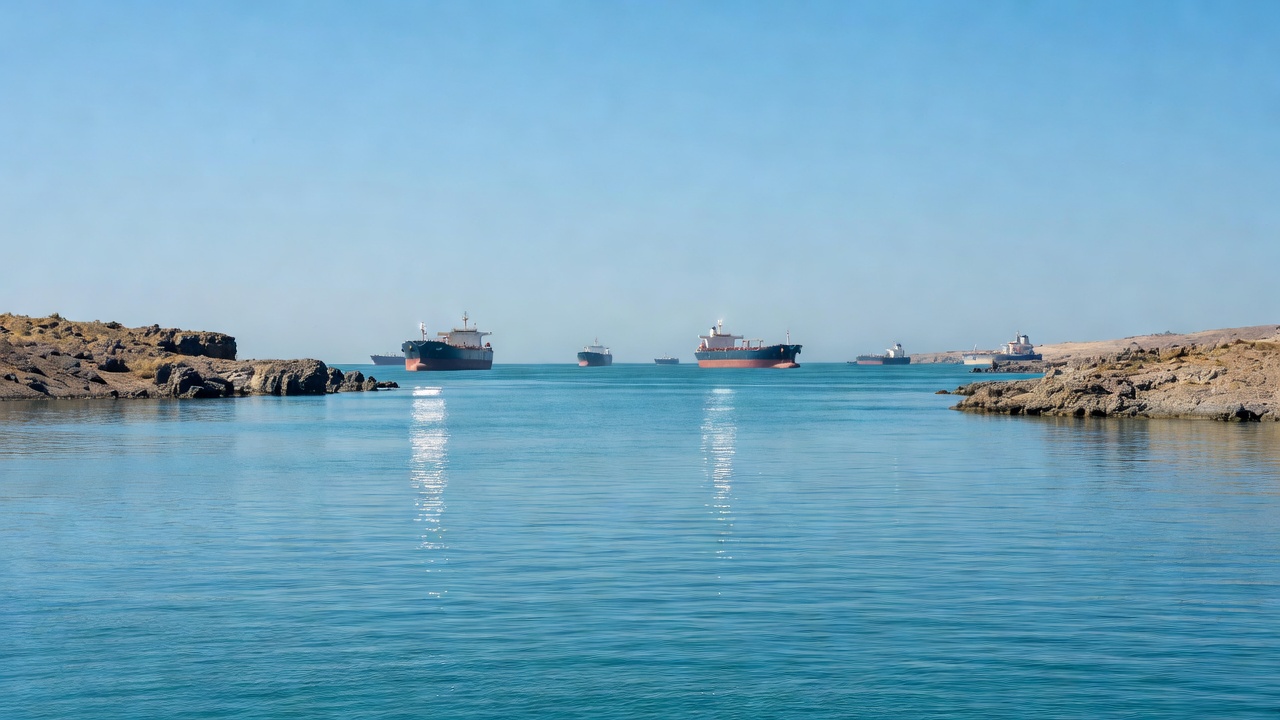
Iran’s Islamic Revolutionary Guard Corps stated that it fired on a US air base and command center in Jordan in response to American aggression, according to Iranian state media. The IRGC added that its naval forces struck three oil tankers in the Strait of Hormuz after the vessels ignored warnings and followed what it called an unsafe route. President Donald Trump vowed retaliation hours earlier, telling reporters at the White House that the United States would hit Iran very hard. Trump said, “We’re going to be hitting them very hard because it’s our turn to hit them. They know it’s coming. They asked us not to do it.”
The latest US strikes followed joint operations with Saudi Arabia a day earlier against Iranian-backed sites in eastern Iraq, Central Command reported. The raids hit multiple logistics and weapons facilities, according to the command’s assessment. Iraq’s Popular Mobilisation Forces, which is dominated by Iran-aligned Shia militias, said at least 20 members died in the attacks on its bases. The Iraqi presidency condemned the strikes as a blatant violation of sovereignty, while Trump told Fox News the action had been coordinated with Iraqi officials.
The conflict has continued for five months since US and Israeli strikes began against Iran in February, when Trump predicted the campaign would end quickly, BBC News reported. A brief lull with halted operations on both sides gave way to renewed hostilities despite apparent efforts at diplomacy that Trump called friendly negotiations but that Tehran denied were taking place. The US had suspended a prior intensive bombing run of 13 consecutive nights against Iranian weapons sites that left scores dead, according to reporting by The New York Times.
US forces have struck around 90 Iranian military targets in recent operations, including air defense systems, drone storage and logistics hubs, The Associated Press reported. Iranian retaliatory attacks have injured roughly 100 American troops since early July and reached bases in Kuwait and Bahrain, according to Pentagon information cited in AP coverage. One Iranian strike hit a barracks in Sistan and Baluchestan province, killing seven soldiers including conscripts, Iranian state television reported. These developments have increased threats to commercial shipping in the Strait of Hormuz.
Saudi Defence Minister Prince Khalid bin Salman conveyed a desire to de-escalate during a meeting with Trump, Axios reported. The decades-long rivalry between Saudi Arabia as the leading Sunni power and Iran as the largest Shia nation has intensified through proxy conflicts, a New York Times analysis found. Losses suffered by the Popular Mobilisation Forces highlight the role of Iranian-backed groups in the fighting across Iraq.